
John Dutrey, who has been on the Montclair City Council since 1996, is seeking the voters’ endorsement this year in a bid to become mayor. If he is successful, he will succeed Ginger Eaton, the widow of longtime Mayor Paul Eaton, who died earlier this year. Dutrey is pitted against another veteran of the council, Carolyn Raft, as well as Sousan Elias and Kelly Smith, who have not yet held elective office in Montclair.
Dutrey, a 1983 graduate of Montclair High, said he is running for mayor because, “I grew-up in Montclair, I am loyal to Montclair, and I can provide great leadership for Montclair.”
His complete familiarity with the 5.52-square mile, 39,000-population city gives him a leg up on the competition, Dutrey indicated. When he was yet in his twenties, Dutrey began a six year stint on the Montclair City Planning Commission. At the age of 31, he was elected to the city council. In his 22 years on the council, he was mayor pro tem for eight years, filling in for Mayor Paul Eaton in his absences.
He is distinguished from his opponents, Dutrey said, in that “I have a strong understanding of municipal government, a firm grasp of Montclair issues, a vision for Montclair’s future, can provide strong leadership, have strong support from regional mayors and council members, and truly care about Montclair.”
In outlining what he considers to be the major issues facing the city, Dutrey said he counts “continued pension cost increases impacting the city budget, the development of north Montclair to continue as regional destination that includes the Montclair Place reinvigoration and bringing the Gold Line to Montclair, beautifying the city, improving our streets and parks, and keeping Montclair safe” to be the defining challenges over the next four years.
Noting that “These issues are important for Montclair’s future” and “The city is currently engaged in these issues,” Dutrey said it should be the mayor’s task to keep the rest of the council as well as city staff on point with continuing the progress the city has already achieved, while widening the same solid foundation that has been laid so that work in that regard can proceed.
“The mayor’s role is to ensure staff and council remains focused, engage stakeholders to continue these projects, and advocate for these issues,” Dutrey said.
Dutrey said he is confident that prudent management of the city’s financial resources in the past will continue, and that this will allow the city to pay for the work Montclair needs to accomplish.
“The city has budgeted for many of these projects,” he said. “The goal is ensure the funds are effectively expended at the appropriate time.”
Dutrey is employed with the City of Rialto, where he manages that city’s housing programs. In explaining what range of experience relating to government he possesses, he said, “I work in municipal government, focused on economic development, urban planning and affordable housing. I served as planning commissioner for six years.”
He holds a bachelor of arts degree in political science and a master of arts degree in public administration, both earned from California State University at San Bernardino.
He and his wife, Anne, have two children, Chris and Janine. His son is currently serving in the Army. He has one granddaughter.
-M.G.
Category Archives: Uncategorized
Graham, Oasis Of Mara Arsonist, Given Maximum Five Year Sentence
George William Graham, the 26-year-old arsonist who readily admitted to starting the conflagration that destroyed a considerable portion of the Oasis of Mara in Joshua Tree National Park, was sentenced to a 60-month federal prison sentence earlier this month.
Graham on September 10 came before 94-year-old United States District Judge Manuel L. Real, the oldest and longest serving member of the federal judiciary. Real, who was appointed by President Lyndon Johnson, did not hesitate in giving Graham the stiffest sentence permissible under federal law for the crime he had committed.
The Oasis of Mara has both historic and prehistoric significance beyond its striking ecological and environmental presence. Located directly behind the Joshua Tree Oasis Visitor Center and Joshua Tree National Park Headquarters, the oasis was encountered by early American survey parties in the 1850s, centuries after the indigenous people of the area had been tapping into it as a source of water.
The oasis was first settled by the Serrano, who referred to it by the word “Mara,” translated as “place of little springs and much grass.” Legend is that a medicine man recommended the spring water, which he claimed would have the effect of blessing those who drank it with “many boy babies.” Per the medicine man’s instructions, the Serrano planted a palm tree at the oasis with the birth of each boy into a nearby clan. At one point there were 29 palm trees at the site and the name “29 Palms” was given to the area, which before the turn of the 19th to the 20th century was attracting miners and cattlemen.
According to county authorities, a call just after 9 p.m. on March 26 summoned the San Bernardino County Fire Department, the National Park Service/Bureau of Land Management Fire Division, and National Park Service rangers and San Bernardino County sheriff’s personnel to the oasis.
There they saw rapidly spreading flames and Graham, who still at the scene of the fire admiring his handiwork, as the blaze spectacularly and dramatically illuminated the night sky with two fireballs, one half way up one palm tree and another near the apex of another palm tree.
Even before the flames were fully doused, rangers were in contact with Graham, who upon questioning, according to authorities, openly acknowledged using a cigarette lighter to ignite flames at multiple spots around the oasis.
Firefighters managed to contain the path of destruction to 2.5 acres, with some 9,989 square feet completely charred. Grasses, bushes, and other vegetation were consumed. Two palm trees were damaged beyond recovery. Some archeological resources were substantially destroyed.
Graham had two prior arson convictions, having previously been sentenced to four years in state prison. He had been released on parole after serving a portion of his sentence, and was yet on parole when he lit the Mara fire. Real imposed on Graham a statutory maximum 60 month sentence after hearing from Assistant United States Attorneys Carolyn Small and Julia L. Reese.
–Mark Gutglueck
State Medical Board Investigating County Mental Health Service Contractor
One of the companies that supplies San Bernardino County’s mental health, medical and welfare divisions with services is under investigation by the Osteopathic Medical Board of California.
The focus of that investigation is Dr. Donald Underwood, who stands accused of cutting corners in formulating treatment protocols and cavalierly dispensing medication together with inadequacy in logging or reporting interactions with patients.
Of particular concern to investigators, according to a reliable source of information, was excessive prescription or over-reliance on the use of painkillers and keeping patient treatment histories that failed to document those prescriptions accurately.
At least some of the accusations against Inland Behavioral and Health Services, based in San Bernardino where it operates three medical clinics in addition to an offshoot in Banning, are an outgrowth of allegations that have become public as a result of legal action filed against the operation by former and current employees.
Inland Behavioral and Health Services, while registered as a nonprofit entity, employs a multitude of well-paid medical professionals. Differences have arisen between some of those employees, as well as the nonprofit’s management. At least 13 current and former employees have filed lawsuits against Inland Behavioral and Health Services. At least five of those suits were settled before going to trial. Eight appear to be active.
One of the company’s vulnerabilities is Dr. Underwood, who is the medical director at the nonprofit. A doctor of osteopathic medicine, he is currently licensed to practice in California, but has either voluntarily surrendered his licensure or had it suspended or revoked in Florida, Indiana, New Jersey, New York and Ohio in the 1980s for fraud, incompetence, medical malpractice and gross negligence.
An element of the complaint lodged against Underwood that has potentially-career ending implication for him, at least in California, is that he wrote undated prescriptions which did not have the patients’ names included.
There have also been unflattering portrayals of Inland Behavioral and Health Services’ chief executive officer, Temetry Lindsey, and chief operating officer, Olaf Neumann, in the narratives of several of those lawsuits.
The clinic remains operational and it has been suggested that the complaints lodged with authorities are a ploy to stampede the clinic into a settlement.
The county has a contract with Inland Behavioral and Health Services, Inc. in the amount of $1,920,675 running from July 1, 2016 through June 30, 2019 for substance use disorder services for pregnant women.
The county has a contract with Inland Behavioral and Health Services, Inc. in the amount of $79,180 for recidivism reduction.
In addition the county has a contract running from July 1, 2017 through June 30, 2019 in a total aggregate amount of $750,000 with High Desert Child, Adolescent and Family Services Center, Inc.; Inland Behavioral and Health Services, Inc.; Inland Valley Drug and Alcohol Recovery Services, Inc.; Matrix Institute, Inc.; Mental Health Systems, Inc.; MFI Recovery Center, Inc.; and Social Science Services, Inc. doing business as Cedar House Life Change Center for the provision of substance use disorder services outpatient treatment services to the county’s Children and Family Services Department clients.
With regard to the county’s contracting with Inland Behavioral and Health Services, David Wert, the county’s official spokesman, said, “It does not appear the services are provided to children nor would involve the prescribing of pain killers. Neither contract involves the prescription of opioids or other pain medications, which is probably why the county is not aware of the investigation you mentioned.”
-Mark Gutglueck
Verse Exposition
St. Vitus Dance
I jumped and jiggled with vitality
That children know when they are four or five.
Mom glared at me most disapprovingly
At this, the fruit of feeling so alive,
And diagnosed me with “St. Vitus Dance,”
A malady once thought to be a sign
That demons had you in their scaly hands,
Although my symptoms weren’t at all malign.
This man I am looks back with jealousy
Upon the child I was so long ago.
When did that energy just up and go?
He prays at night for past vitality:
That future morning when he springs from bed
And knows he’ll never join the inert dead.
Daniel J. Webster
Footnote: Saint Vitus was the patron saint of dancers, and in the Middle Ages his devotees would dance in his honor in a manic fashion; hence, the modern-day reference to someone who has an excess of energy as having the “Saint Vitus Dance.”
Daniel J. Webster started writing poetry in a serious way while attending Chaffey Community College in Alta Loma in 1975. He has since moved to Japan, where he teaches English at Keio University, as well as at the Universities of Waseda and Meiji. As a New Formalist dedicated to maintaining the traditional standards of meter and rhyme in verse, he has completed several volumes of poetry. In addition, he has translated poetry and short stories from German and Russian.
Report: Manis Out And Vagnozzi In As Upland City Manager
Jeannette Vagnozzi’s sometimes patient and sometimes anxious wait appears to be over, the Sentinel is informed, as she has unofficially replaced Bill Manis as city manager in Upland, at least on a temporary basis, according to word on the street.
Vagnozzi has been with the city since 2015, when she was brought in to assist then-City Manager Rod Butler in the everyday oversight of operations at City Hall. Butler’s predecessor as full capacity city manager had been Stephen Dunn, who was elevated from his position as finance director to serve as city manager in 2011. Dunn had substantially expanded the duties of then-City Clerk Stephanie Mendenhall after he became city manager, keeping her in the capacity as city clerk while elevating her simultaneously to serve as administrative services director, human resources manager and risk manager. Butler instilled in Vagnozzi a similar span of authority. Vagnozzi was recruited into the City of Gracious Living from her previous post as the assistant to the city manager in the not-too-distant City of La Verne, in which capacity she had lasted for nearly a decade. She was given the lofty-sounding post of Upland’s deputy city manager, which many assumed made her the city’s second-in-command. In actuality, on an organizational chart, the deputy city manager was junior to several city department heads. Nevertheless, like Mendenhall before her, Vagnozzi was given multiple assignments and titles, including that of city clerk, risk manager and human resources director. Ostensibly, she was to serve as Butler’s aide-de-camp and hatchet-woman. In that capacity, an air of palace intrigue attended much of her function. In July of 2016, Butler, who had been with the city for less than two years, was abruptly and ignominiously given the heave-ho by an unlikely 3-to-2 council majority. Vagnozzi’s ascendancy to city manager appeared to be in the offing. Instead, however, the city council elected to bring in the city’s former police chief, Marty Thouvennel, to act as the city’s short term/interim city manager while the city council sought to arrive at a decision as to who would serve as the city’s top administrator in the years going forward. At that point, odds-makers were torn between ranking Vagnozzi or then-finance manager Scott Williams as having the inside track on the post, with others still suggesting that Community Development Director Jeff Zwack better fit the sought-after attributes for the city manager position. Very soon thereafter what were purported to be derogatories relating to Williams that had originated in his personnel file surfaced, and he was shown the door. Many surmised that Vagnozzi, who as the city’s human resources director,was the custodian of all city employees’ personnel files, had more than a passing involvement with Williams’ demise. But there was no proof that Vagnozzi had sabotaged Williams’ chances at becoming the city’s top staff member. The city council was simultaneously entrusting to Thouvenell the task of determining which of the city’s in-house staff members would be best suited to serve as city manager, or in the alternative, to recruit one from outside the city. Though it had been indicated that Thouvenell’s tenure in the interim city manager capacity would be a short one that would last just long enough for his ultimate replacement to be found, he remained as city manager for more 18 months. His extension in the position for that period of time was widely taken as an indication that his advisals to the city council ran against entrusting the position to Vagnozzi. Late last year, it was revealed that Thouvenell’s recommendation was for the council to hire Bill Manis, who was then the city manager with Rosemead and who had previously been the deputy city manager and community development director in San Bernardino, the City of Banning’s economic development director, redevelopment director and public information officer as well as the the economic development director in the City of Cypress prior to his time in Banning. Previously, Manis had held other progressively more responsible positions within the halls of government in the cities of Corona, Santa Ana, and Cerritos.
There was, however, a suggestion that the 57-year-old Manis was not long fated to remain in Upland, as he would be in position at the age of 60 to retire into a full pension. It was believed by some that he was in Upland merely to increase both the years he had accumulated thus far in the public employee retirement system, which was part of the formula upon which his pension is to be calculated, together with the prospect that his top pay as city manager would increase as well, further enhancing his pension, as another part of the formula for calculating retirement benefits among public employees is the level of pay they achieve, as this is used as a multiplier in deriving their pensions. In this way, Vagnozzi remained in the running to become city manager based upon the likelihood that Manis was likely to depart in another two-and-a-half years.
Zwack similarly held a ticket in the Upland city manager sweepstakes. In June, however, he, too, abruptly departed from the city.
As of last night and today, Friday, it is not absolutely clear that the ambitious Vagnozzi is now serving in the capacity of interim city manager. However, a strong indicator of such exists. Upland City Hall is closed on Fridays. Yesterday, September 20, the agenda for the September 24 council meeting was posted. That document, in designating who the various city officials are, lists the current members of the city council as well as Manis in the city manager’s capacity. Near the top of the agenda, scheduled for 6 p.m., an hour before the public portion of the meeting that commences at 7 p.m., the council is scheduled, the agenda states, to adjourn into a closed meeting, outside the earshot and sight of the pubic. The single item scheduled for discussion during that closed hearing, the agenda states, is “Consideration of public employee appointment pursuant to California Government Code Section 54957. Title: Acting City Manager.”
If indeed Manis is leaving, his departure too is to be, like that of Butler, an abrupt one. Moreover the departures of all of the city managers in Upland other than those hired on a specifically interim basis going back for thirteen years have been equally abrupt. Last week, Manis was in attendance at a League of California Cities meeting, representing Upland. His participation in that confabulation would suggest that Manis at that time was comfortable in his role with the city, while spending taxpayer dollars to engage in interaction with other city officials from throughout the state to pick up information that would be of assistance in his continued stewardship of the city. Less than a month prior to Butler’s firing, now-Mayor Debbie Stone, who was then a councilwoman, expressed confidence in Butler, suggesting to then-City Councilman Glenn Bozar, who was grilling Butler on a multitude of issues, that Bozar should back off and allow Butler to simply “do his job.” Stone’s vote was one of the three that terminated Butler. In 2014, Dunn’s departure came after a tense standoff between him and then-Councilman Bozar and then-Mayor Ray Musser. What was interpreted as an intemperate remark during that confrontation led to then-Councilman Brendan Brandt joining with Musser and Bozar to confer a year’s salary upon Dunn to simply have him leave. In January 2011, the council turned on a dime and suspended then-City Manager Robb Quncey before firing him outright four months later, after the statutory six month waiting period after a municipal election had elapsed and it was clear to do so.. And in 2005, the Upland City Council led by then-Mayor John Pomierski induced then-City Manager Mike Milhiser to leave, speeding his exit with a $200,000 contract buyout to convince him to go.
One well placed source noted with caution that “I think it is premature to state Jeannette will be the acting city manager.It is possible that Marty [Thouvenell] or even Steve Dukett [who had been hired into what is essentially the city’s contract community development director post following the departure of Jeff Zwack] could have that position as well.”
California Foster Children Now Given Mastectomies & Castrations Upon Request
Governor Jerry Brown has signed into California law Assembly Bill 2119, which will allow foster children access to hormonal treatments and gender surgery if they “self-identify” as transgender. The practical outcome of the law is that girls as young as 13 who do not have at least one their biological parents as their guardians will be able to demand mastectomies and boys as young as 13 are now able to on their own authority be castrated if they are not living with or supervised by at least one biological parent. As foster children are considered indigents and wards of the state, the medical procedures will be paid for by tax dollars.
AB 2119’s passage was hailed as a potentially lifesaving development by many advocates of transgender liberation.
The bill was passed by the Senate 26-to-12 with two abstentions and in the Assembly 53-to-22. It guarantees that children in California’s foster system have access to sex change operations or sterilizing drugs, sometimes referred to as puberty blockers, if the child certifies that he or she has been trapped in the wrong body. Only a child’s biological parent would be authorized to countermand a 13-to-17-year-old’s request for the treatment. Foster parents would not have such authority.
“The right of minors and nonminors in foster care to health care and mental health care … includes covered gender affirming health care and gender affirming mental health care,” reads AB 2119. “This right is subject to existing laws governing consent to health care for minors and nonminors and does not limit, add, or otherwise affect applicable laws governing consent to health care.”
AB 2119 was introduced in February by Democratic Assemblyman Todd Gloria, with the backing of multiple lesbian-gay-bisexual and transgender advocacy groups. Advocates for the law maintain that it is needed because of the existence of gender dysphoria, often referred to as transgenderism, in which girls or women identify as boys or men or boys or men identify as girls or women.
Gloria, who is among the first openly homosexual members of the California Assembly, said, “The passage of AB 2119 is a momentous sign of hope for transgender foster youth living in the system growing up feeling neglected, forgotten, or out of place. With this bill, I hope those foster youth will be assured that we see you. We care about you, and there is a place for you in California. AB 2119 will empower transgender foster youth to live authentically and simply be themselves.”
Others were lavish in their praise of the law.
“This gives LGBTQ foster youth room to focus on other important aspects of their lives, including succeeding in school, building healthy relationships, and fully engaging in positive youth development programs,” Equality California Executive Director Rick Zbur said, adding that AB 2119 will “save lives.”
The National Center for Lesbian Rights was equally positive in its assessment. “Every young person in foster care deserves, and is entitled to, medically necessary health and behavioral health care,” Shannan Wilber, National Center for Lesbian Rights’ youth policy director, said. “The harms caused by the denial or delay of medically necessary care are particularly acute for transgender and gender non-conforming children and youth, who often encounter barriers to receiving the care they need to ensure their health, safety, and well-being.”
There were others that were having none of that, however. Many said it was utterly unbelievable that adolescents who have not yet reached the age of majority and who lack maturity as well as the sophistication or full understanding of such action are now able commit to an irreversible procedure that will impact their lives forever after.
Michael Laidlaw, an endocrinologist whose discipline involves the workings of glands and the metabolic implication of hormones, testified against the bill in June.
“A licensed professional or other individual should not subject a foster child to any treatment, intervention or conduct that seeks to change the foster child’s identity,” Laidlaw stated.
Laidlaw said there were severe risks attending gender transition, such as women seeking to exhibit the characteristics of men having to be administered as much as 80 times the normal amount of testosterone than normally occurs in a human body.
“Look at the science carefully. Get other medical opinions before passing this bill,. You can save the health and lives of many foster kids, by doing so,” he said.
The American College of Pediatricians went on record in opposition to AB 2119, selecting Dr. Andre Van Mol, M.D. to make the case against permitting children to select a surgical solution to their perception of dysphoria.
Referencing a sheaf of scientific literature, Van Mol said, “Transgender belief in childhood carries an overwhelming probability of desistance. Underlying issues need addressing; foster children are more likely to have them. The short and long-term risks of transitioning are sobering. This entails a lack of proven safety or benefit for minors. It is not pro-science; it’s no science. Regret and de-transitioning are not rare, and what’s gone is gone. A child or teen has a developing brain; adult decisions are beyond them. There is an overwhelming probability of desistance. 80-to-95 percent of minors with gender dysphoria/transgender identification will desist by adulthood. Professional literature consistently reports that gender dysphoria in children is far more likely to resolve than persist. This bill facilitates children being railroaded into dangerous protocols lacking proven long-term records of safety and efficacy for a condition that usually desists.”
–Mark Gutglueck
Brown Trout
 The brown trout, known by its scientific name Salmo trutta is a European species of salmonid fish that has been widely introduced into suitable environments globally, including into San Bernardino County such as in Deep Creek on the north side of the San Bernardino Mountains.
The brown trout available locally is of the fish’s freshwater population or riverine ecotype, Salmo trutta morpha fario, and a lacustrine ecotype, S. trutta morpha lacustris, also called the lake trout. The anadromous forms known as the sea trout, or S. trutta morpha trutta, are of the order that migrate to the oceans for much of their lives and return to fresh water only to spawn. These are not extant in San Bernardino County.
The Salmo trutta, with its original native range from northern Norway and White Sea tributaries in Russia in the Arctic Ocean and Iceland in the north Atlantic in the Arctic Ocean to the Atlas Mountains in North Africa and the Aral Sea tributaries in Afghanistan and Pakistan, has been widely introduced into suitable environments around the world, including North America.
The brown trout is a medium-sized fish, growing to 44 pounds or more and a length of about 39 inches in some localities, although in many smaller rivers, such as Deep Creek, a mature weight of 2 pounds or less is common. S. t. lacustris reaches an average length of 16-to-31 inches with a maximum length of 55 inches and about 60 pounds. The spawning behavior of brown trout is similar to that of the closely related Atlantic salmon. A typical female produces about 1,000 eggs per pound of body weight at spawning.
Brown trout can live 20 years, but a high proportion of males die after spawning.
Brown trout are active both by day and by night and are opportunistic feeders. While in fresh water, their diets frequently include invertebrates from the streambed, other fish, frogs, mice, birds, and insects flying near the water’s surface. The high dietary reliance upon insect larvae, pupae, nymphs, and adults allows trout to be a favored target for fly fishing.
The brown trout typically experiences a change in diet composition during its life, and feeding on other fish is most frequent in large brown trout.
Cover or structure is important to trout, and they are more likely to be found near submerged rocks and logs, undercut banks, and overhanging vegetation. Structure provides protection from predators, bright sunlight, and higher water temperatures. Access to deep water for protection in winter freezes, or fast water for protection from low oxygen levels in summer are also ideal. Trout are more often found in heavy and strong currents.
Brown trout can be caught with lures such as spoons, spinners, jigs, plugs, plastic worm imitations, helgramites, and live or dead baitfish. Freshwater brown trout range in color from largely silver with relatively few spots and a white belly, to the more well-known brassy brown cast fading to creamy white on the fish’s belly, with medium-sized spots surrounded by lighter halos. The more silver forms can be mistaken for rainbow trout.
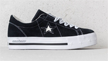
Grace Bernal’s California Style: Chucks
September 21 Sentinel Legal Noticess
ORDER TO SHOW CAUSE FOR CHANGE OF NAME CASE NUMBER CIVDS1822620
TO ALL INTERESTED PERSONS: Petitioner Olympia Belmonte filed with this court for a decree changing names as follows:
Adaline Noemi Orona to Adaline Noemi Gutierrez.
THE COURT ORDERS that all persons interested in this matter appear before this court at the hearing indicated below to show cause, if any, why the petition for change of name should not be granted. Any person objecting to the name changes described above must file a written objection that includes the reasons for the objection at least two court days before the matter is scheduled to be heard and must appear at the hearing to show cause why the petition should not be granted. If no written objection is timely filed, the court may grant the petition without a hearing.
Notice of Hearing:
Date: 10/09/2018
Time: 8:30 a.m.
Department: S16J
The address of the court is Superior Court of California,County of San Bernardino, San Bernardino District – Civil Division, 247 W Third Street, Same as above, San Bernardino, CA 92415-0210, San Bernardino
IT IS FURTHER ORDERED that a copy of this order be published in SAN BERNARDINO COUNTY SENTINEL in San Bernardino County California, once a week for four successive weeks prior to the date set for hearing of the petition.
Dated: Aug 27, 2018
Michael A. Sachs
Judge of the Superior Court.
Published in SAN BERNARDINO COUNTY SENTINEL On 08/31/2018, 09/07/2018, 09/14/2018, 09/21/2018
SUMMONS – (CITACION JUDICIAL)
NOTICE TO DEFENDANT: Paul Chen, an individual, Ruth Rodriguez, and individual, and Hsiwen Lee, an individual, and Does 1 through 25, inclusive
(AVISO DEMANDADO):
YOU ARE BEING SUED BY CROSS-COMPLAINT: Marilyn Ruff, an individual, and Joe Miller, Inc. Dba RE/MAX ADVANTAGE, a California Corporation
(LO ESTA DEMANDANDO EL DEMANDANTE):
CASE NUMBER (NUMERO DEL CASO) CIVDS1600468
NOTICE! You have been sued. The court may decide against you without your being heard unless you respond within 30 days. Read the information below.
You have 30 CALENDAR DAYS after this summons is served on you to file a written response at this court and have a copy served on the plaintiff. A letter or phone call will not protect you. Your written response must be in proper legal form if you want the court to hear your case. There may be a court form that you can use for your response. You can find these court forms and more information at the California Courts Online Self-Help Center (www.courtinfo.ca.gov/selfhelp), your county law library, or the courthouse nearest you. If you cannot pay the filing fee, ask the court clerk for a fee waiver form. If you do not file your response on time, you may lose the case by default, and your wages, money, and property may be taken without further warning from the court.
There are other legal requirements. You may want to call an attorney right away. If you do not know an attorney, you may call an attorney referral service. If you cannot afford an attorney, you may be eligible for free legal services from a nonprofit legal services program. You can locate these nonprofit groups at the California Legal Services Web site (www.lawhelpcalifornia.org), the California Courts Online Self-Help Center (www.courtinfo.ca.gov/selfhelp), or by contacting your local court or county bar association. NOTE: The court has a statutory lien for waived fees and costs on any settlement or arbitration award of $10,000 or more in a civil case. The court’s lien must be paid before the court will dismiss the case. ¡AVISO! Lo han demandado. Si no responde dentro de 30 dias, la corte puede decidir en su contra sin escuchar su version. Lea la informacion a continuacion
Tiene 30 DIAS DE CALENDARIO después de que le entreguen esta citación y papeles legales para presentar una repuesta por escrito en esta corte y hacer que se entreque una copia al demandante. Una carta o una liamada telefonica no le protegen. Su respuesta por escrito tiene que estar on formato legal correcto si desea que procesen su caso en la corte. Es posible que haya un formulano que usted puede usar para su respuesta. Puede encontrar estos formularios de la corte y mas información en el Centro de Ayuda de las Cortes de California (www.sucorte.ca.gov), en la biblioteca de leyes de su condado o en la corte que le quede mas cerca. Si no puede pagar la cuota de presentación, pida si secretario de la corta que le de un formulario de exencion de pago de cuotas. Si no presenta su respuesta a tiempo, puede perder el caso por incumplimiento y la corta le podrá quitar su sueldo, dinero y bienes sin mas advertencia.
Hay otros requisitos legales. Es recomendable que llame a un abogado inmediatamente. Si no conace a un abogado, puede llamar a un servicio de referencia a abogados. Si no peude pagar a un a un abogado, es posible que cumpia con los requisitos para obtener servicios legales gratu de un programa de servicios legales sin lines de lucro. Puede encontrar estos grupos sin fines de lucro en el sitio web de California Legal Services, (www.lawhelpcalifornia.org), en el Centro de Ayuda de las Cortes de California, (www.sucorte.ca.gov), o poniendoso on contacto con la corte o el colegio de abogados locales. AVISO: Por ley, la corte tiene derecho a reclamar las cuotas y los costos exentos gravamen sobre cualquier recuperación da $10,000 o mas de vaior recibida mediante un aceurdo o una concesión de arbitraje en un caso de derecho civil. Tiene que pagar el gravamen de la corta antes de que la corta pueda desechar el caso.
The name and address of the court is:
Superior Court of California, County of San Bernardino
247 West Third Street,
San Bernardino, CA 92415-0210
The name, address and telephone number of petitioner’s attorney, or petitioner without an attorney, is: (El nombre, la direccion y el numero de telefono del abogado del demandante, o del demendante que no tiene abogado, es)
Mark C. Carlson, ESQ., [SBN 166195]
Warren K. Miller, Esq., Of Counsel [SBN 141638]
Carlson Law Group, Inc., 21031 Ventura Blvd., Suite 1100, Woodland Hills, California 91364
Telephone: (818) 996 – 7800
DATE (Fecha): Nov 08, 2017
Clerk (Secretario), by Cuauhtemoc Nunez, Deputy (Adjunto)
Published in San Bernardino County Sentinel on: 08/31/2018, 09/07/2018, 09/14/2018, 09/21/2018
FICTITIOUS BUSINESS NAME
STATEMENT FILE NO-20180009802
The following person(s) is(are) doing business as: Electric Beauty Salon, 114 W B Street, Ontario, CA 91762, Esperanza Vallejo, 3492 Shadblow Rd, San Bernardino, CA 92407Angel Vallejo Sr, 3492 Shadblow Rd, San Bernardino, CA 92407
Business is Conducted By: A Married Couple
Signed: BY SIGNING BELOW, I DECLARE THAT ALL INFORMATION IN THIS STATEMENT IS TRUE AND CORRECT. A registrant who declares as true information, which he or she knows to be false, is guilty of a crime. (B&P Code 17913) I am also aware that all information on this statement becomes Public Record upon filing.
s/Angel Vallejo Sr.
This statement was filed with the County Clerk of San Bernardino on: 8/27/2018
I hereby certify that this is a correct copy of the original statement on file in my office.
Began Transacting Business: 8/26/2013
County Clerk, s/DOM
NOTICE- This fictitious business name statement expires five years from the date it was filed in the office of the county clerk. A new fictitious business name statement must be filed before that time. The filing of this statement does not of itself authorize the use in this state of a fictitious name in violation of the rights of another under federal, state, or common law (see section 14400 et. Seq. Business & Professions Code).
8/31/2018, 9/7/2018, 9/14/2018, 9/21/2018
FICTITIOUS BUSINESS NAME
STATEMENT FILE NO-20180008679
The following person(s) is(are) doing business as: Benny Cool, All Gas Apparel, Aces & Eights Entertainment, Cool Books, 527 University Place, Redlands, CA 92374, Brand Bullies, 527 University Place, Redlands, CA 92374
Business is Conducted By: A Corporation
Signed: BY SIGNING BELOW, I DECLARE THAT ALL INFORMATION IN THIS STATEMENT IS TRUE AND CORRECT. A registrant who declares as true information, which he or she knows to be false, is guilty of a crime. (B&P Code 17913) I am also aware that all information on this statement becomes Public Record upon filing.
s/Ben Ohikhuare
This statement was filed with the County Clerk of San Bernardino on: 7/31/2018
I hereby certify that this is a correct copy of the original statement on file in my office.
Began Transacting Business: 1/8/2018
County Clerk, s/JV
NOTICE- This fictitious business name statement expires five years from the date it was filed in the office of the county clerk. A new fictitious business name statement must be filed before that time. The filing of this statement does not of itself authorize the use in this state of a fictitious name in violation of the rights of another under federal, state, or common law (see section 14400 et. Seq. Business & Professions Code).
8/31/2018, 9/7/2018, 9/14/2018, 9/21/2018
FBN 20180009736
The following entity is doing business as: JACKSON PROPERTY MANAGEMENT INLAND EMPIRE 9375 ARCHIBALD AVE STE 301 RANCHO CUCAMONGA, CA 91730 SOCAL PROPERTY SERVICES INC 10722 ARROW ROUTE, STE 104 RANCHO CUCAMONGA, CA 91730
Business is Conducted By: A CORPORATION
Signed: BY SIGNING BELOW, I DECLARE THAT ALL INFORMATION IN THIS STATEMENT IS TRUE AND CORRECT. A registrant who declares as true information, which he or she knows to be false, is guilty of a crime. (B&P Code 17913) I am also aware that all information on this statement becomes Public Record upon filing.
s/Dan V Pond
This statement was filed with the County Clerk of San Bernardino on: 8/24/2018
I hereby certify that this is a correct copy of the original statement on file in my office.
Began Transacting Business: 01/01/2014
County Clerk, s/JV
NOTICE- This fictitious business name statement expires five years from the date it was filed in the office of the county clerk. A new fictitious business name statement must be filed before that time. The filing of this statement does not of itself authorize the use in this state of a fictitious name in violation of the rights of another under federal, state, or common law (see section 14400 et. Seq. Business & Professions Code).
Published in the San Bernardino County Sentinel 8/31, 9/07, 9/14 & 9/21, 2018
NOTICE OF PETITION TO ADMINISTER ESTATE OF GWENDOLYN MARIE MCCLINTIC A.K.A GWEN M. MCCLINTIC,
CASE NO. PROPS1800796
To all heirs, beneficiaries, creditors, and contingent creditors of GWENDOLYN MARIE MCCLINTIC A.K.A GWEN M. MCCLINTIC and persons who may be otherwise interested in the will or estate, or both: A petition has been filed by BARTHOLOMEW WILLIAM MCCLINTIC in the Superior Court of California, County of SAN BERNARDINO, requesting that BARTHOLOMEW WILLIAM MCCLINTIC be appointed as personal representative to administer the estate of GWENDOLYN MARIE MCCLINTIC A.K.A GWEN M. MCCLINTIC. Decedent died intestate. (The petition requests authority to administer the estate under the Independent Administration of Estates Act. This will avoid the need to obtain court approval for many actions taken in connection with the estate. However, before taking certain actions, the personal representative will be required to give notice to interested persons unless they have waived notice or have consented to the proposed action. The petition will be granted unless good cause is shown why it should not be.) The petition is set for hearing in Dept. No. S36 at SUPERIOR COURT OF CALIFORNIA, COUNTY OF SAN BERNARDINO SAN BERNARDINO DISTRICT – PROBATE DIVISION 247 W. 3rd STREET SAN BERNARDINO, CA 92415-0212 on OCTOBER 11, 2018 at 08:30 AM
IF YOU OBJECT to the granting of the petition, you should appear at the hearing and state your objections or file written objections with the court before the hearing. Your appearance may be in person or by your attorney.
IF YOU ARE A CREDITOR or a contingent creditor of the deceased, you must file your claim with the court and mail a copy to the personal representative appointed by the court within the later of either (1) four months from the date of first issuance of letters to a general personal representative, as defined in subdivision (b) of Section 58 of the California Probate Code, or (2) 60 days from the date of mailing or personal delivery of the notice to you under Section 9052 of the California Probate Code.
YOU MAY EXAMINE the file kept by the court. If you are interested in the estate, you may request special notice of the filing of an inventory and appraisal of estate assets or of any petition or account as provided in Section 1250 of the California Probate Code.
Petitioner: BARTHOLOMEW WILLIAM MCCLINTIC 6218 IDYLLWILD CT. RIALTO, CA. 92377 Telephone: 951-299-5815 IN PRO PER
Published in the San Bernardino County Sentinel September 7, 14 & 21, 2018.
FBN 20180009267
The following entity is doing business as: GRIZZLY TOWING AND TRANSPORT 701 W CARTER ST RIALTO, CA 92376 KRISTOPHER PINEDA 701 W CARTER ST RIALTO, CA 92376
Business is Conducted By: AN INDIVIDUAL
Began Transacting Business: N/A
BY SIGNING BELOW, I DECLARE THAT ALL INFORMATION IN THIS STATEMENT IS TRUE AND CORRECT. A registrant who declares as true information, which he or she knows to be false, is guilty of a crime. (B&P Code 17913) I am also aware that all information on this statement becomes Public Record upon filing.
s/ Kristopher Pineda
This statement was filed with the County Clerk of San Bernardino on: 8/13/2018
I hereby certify that this is a correct copy of the original statement on file in my office.
County Clerk, s/ARC
NOTICE- This fictitious business name statement expires five years from the date it was filed in the office of the county clerk. A new fictitious business name statement must be filed before that time. The filing of this statement does not of itself authorize the use in this state of a fictitious name in violation of the rights of another under federal, state, or common law (see section 14400 et. Seq. Business & Professions Code).
Published in the San Bernardino County Sentinel 9/07, 9/14, 9/21 & 9/28, 2018
ORDER TO SHOW CAUSE FOR CHANGE OF NAME CASE NUMBER CIVDS1823452
TO ALL INTERESTED PERSONS: Petitioner Crystal Antoinette Juarez filed with this court for a decree changing names as follows:
Isaiah Anthony Contreras to Isaiah Anthony Juarez.
THE COURT ORDERS that all persons interested in this matter appear before this court at the hearing indicated below to show cause, if any, why the petition for change of name should not be granted. Any person objecting to the name changes described above must file a written objection that includes the reasons for the objection at least two court days before the matter is scheduled to be heard and must appear at the hearing to show cause why the petition should not be granted. If no written objection is timely filed, the court may grant the petition without a hearing.
Notice of Hearing:
Date: 10/18/2018
Time: 8:30 a.m.
Department: S16
The address of the court is Superior Court of California,County of San Bernardino, San Bernardino District – Civil Division, 247 W Third Street, Same as above, San Bernardino, CA 92415-0210, San Bernardino
IT IS FURTHER ORDERED that a copy of this order be published in SAN BERNARDINO COUNTY SENTINEL in San Bernardino County California, once a week for four successive weeks prior to the date set for hearing of the petition.
Dated: Sep 06, 2018
Michael A. Sachs
Judge of the Superior Court.
Published in SAN BERNARDINO COUNTY SENTINEL On 09/07/2018, 09/14/2018, 09/21/2018, 09/28/2018
FICTITIOUS BUSINESS NAME
STATEMENT FILE NO-20180009195
The following person(s) is(are) doing business as: Flavor Shot, 5340 Ironwood St., San Bernardino, CA 92404, Lenny Gonzalez Rivas, 5340 Ironwood St., San Bernardino, CA 92404
Business is Conducted By: An Individual
Signed: BY SIGNING BELOW, I DECLARE THAT ALL INFORMATION IN THIS STATEMENT IS TRUE AND CORRECT. A registrant who declares as true information, which he or she knows to be false, is guilty of a crime. (B&P Code 17913) I am also aware that all information on this statement becomes Public Record upon filing.
s/Lenny Gonzalez Rivas
This statement was filed with the County Clerk of San Bernardino on: 8/10/2018
I hereby certify that this is a correct copy of the original statement on file in my office.
Began Transacting Business: Not Applicable
County Clerk, s/BI
NOTICE- This fictitious business name statement expires five years from the date it was filed in the office of the county clerk. A new fictitious business name statement must be filed before that time. The filing of this statement does not of itself authorize the use in this state of a fictitious name in violation of the rights of another under federal, state, or common law (see section 14400 et. Seq. Business & Professions Code).
9/7/2018, 9/14/2018, 9/21/2018, 9/28/2018
FICTITIOUS BUSINESS NAME
STATEMENT FILE NO-20180009193
The following person(s) is(are) doing business as: Smog N Go, 5835 Burgundy Avenue, Rancho Cucamonga, CA 91737, 5835 Burgundy Avenue, Rancho Cucamonga, CA 91737, G & M Smog, LLC, 1445 E Route 66 #C, Glendora, CA 91740
Business is Conducted By: A Limited Liability Company
Signed: BY SIGNING BELOW, I DECLARE THAT ALL INFORMATION IN THIS STATEMENT IS TRUE AND CORRECT. A registrant who declares as true information, which he or she knows to be false, is guilty of a crime. (B&P Code 17913) I am also aware that all information on this statement becomes Public Record upon filing.
s/Mirna Elhazin
This statement was filed with the County Clerk of San Bernardino on: 8/10/2018
I hereby certify that this is a correct copy of the original statement on file in my office.
Began Transacting Business: Not Applicable
County Clerk, s/BI
NOTICE- This fictitious business name statement expires five years from the date it was filed in the office of the county clerk. A new fictitious business name statement must be filed before that time. The filing of this statement does not of itself authorize the use in this state of a fictitious name in violation of the rights of another under federal, state, or common law (see section 14400 et. Seq. Business & Professions Code).
9/7/2018, 9/14/2018, 9/21/2018, 9/28/2018
FICTITIOUS BUSINESS NAME
STATEMENT FILE NO-20180009719
The following person(s) is(are) doing business as: J.C. Allen Law Firm, APC, 10535 Foothill Boulevard, Suite 300, Rancho Cucamonga, CA 91730, J.C. Allen Law Firm, APC, 10535 Foothill Boulevard, Suite 300, Rancho Cucamonga, CA 91730
Business is Conducted By: A Corporation
Signed: BY SIGNING BELOW, I DECLARE THAT ALL INFORMATION IN THIS STATEMENT IS TRUE AND CORRECT. A registrant who declares as true information, which he or she knows to be false, is guilty of a crime. (B&P Code 17913) I am also aware that all information on this statement becomes Public Record upon filing.
s/J.C. Allen
This statement was filed with the County Clerk of San Bernardino on: 8/23/2018
I hereby certify that this is a correct copy of the original statement on file in my office.
Began Transacting Business: Not Applicable
County Clerk, s/TM
NOTICE- This fictitious business name statement expires five years from the date it was filed in the office of the county clerk. A new fictitious business name statement must be filed before that time. The filing of this statement does not of itself authorize the use in this state of a fictitious name in violation of the rights of another under federal, state, or common law (see section 14400 et. Seq. Business & Professions Code).
9/7/2018, 9/14/2018, 9/21/2018, 9/28/2018
FICTITIOUS BUSINESS NAME
STATEMENT FILE NO-20180009718
The following person(s) is(are) doing business as: Newman Law Firm, APC, 10535 Foothill Boulevard, Suite 300, Rancho Cucamonga, CA 91730, Newman Law Firm, APC, 10535 Foothill Boulevard, Suite 300, Rancho Cucamonga, CA 91730
Business is Conducted By: A Corporation
Signed: BY SIGNING BELOW, I DECLARE THAT ALL INFORMATION IN THIS STATEMENT IS TRUE AND CORRECT. A registrant who declares as true information, which he or she knows to be false, is guilty of a crime. (B&P Code 17913) I am also aware that all information on this statement becomes Public Record upon filing.
s/Geoffrey W. Newman
This statement was filed with the County Clerk of San Bernardino on: 8/23/2018
I hereby certify that this is a correct copy of the original statement on file in my office.
Began Transacting Business: Not Applicable
County Clerk, s/TM
NOTICE- This fictitious business name statement expires five years from the date it was filed in the office of the county clerk. A new fictitious business name statement must be filed before that time. The filing of this statement does not of itself authorize the use in this state of a fictitious name in violation of the rights of another under federal, state, or common law (see section 14400 et. Seq. Business & Professions Code).
9/7/2018, 9/14/2018, 9/21/2018, 9/28/2018
NOTICE OF PETITION TO ADMINISTER ESTATE OF:
MANUELA TRIANA HERNANDEZ
CASE NO. PROPS1800886
To all heirs, beneficiaries, creditors, contingent creditors, and persons who may otherwise be interested in the WILL or estate, or both of MANUELA TRIANA HERNANDEZ.
A PETITION FOR PROBATE has been filed by ELIAS PAZ HERNANDEZ III in the Superior Court of California, County of San Bernardino.
THE PETITION FOR PROBATE requests that ELIAS PAZ HERNANDEZ III be appointed as personal representative to administer the estate of the decedent.
THE PETITION requests authority to administer the estate under the Independent Administration of Estates Act. (This authority will allow the personal representative to take many actions without obtaining court approval. Before taking certain very important actions, however, the personal representative will be required to give notice to interested persons unless they have waived notice or consented to the proposed action.) The independent administration authority will be granted unless an interested person files an objection to the petition and shows good cause why the court should not grant the authority.
A HEARING on the petition will be held in this court as follows: a. Date: October 25th, 2018 at 8:30 am in Dept. S36. Address of court: located at Superior Court of California, County of San Bernardino, 247 West Third Street, San Bernardino, CA 92415 – 0212, San Bernardino District – Probate Division
IF YOU OBJECT to the granting of the petition, you should appear at the hearing and state your objections or file written objections with the court before the hearing. Your appearance may be in person or by your attorney.
IF YOU ARE A CREDITOR or a contingent creditor of the deceased, you must file your claim with the court and mail a copy to the personal representative appointed by the court within the later of either (1) four months from the date of first issuance of letters to a general personal representative, as defined in section 58(b) of the California Probate Code, or (2) 60 days from the date of mailing or personal delivery of the notice to you under Section 9052 of the California Probate Code.
Other California statutes and legal authority may affect your rights as a creditor. You may want to consult with an attorney knowledgeable in California law.
YOU MAY EXAMINE the file kept by the court. If you are a person interested in the estate, you may file with the court a Request for Special Notice (form DE-154) of the filing of an inventory and appraisal of estate assets or of any petition or account as provided in Probate Code Section 1250. A Request for Special Notice form is available from the court clerk.
Attorney for petitioner:
MICHAEL C. MADDUX
1894 S. COMMERCECENTER DR. W., SUITE 108
SAN BERNARDINO, CA 92408
Telephone No: (909) 890-2350
Published in San Bernardino County Sentinel
09/14/2018, 09/21/2018, 09/28/2018
NOTICE OF PETITION TO ADMINISTER ESTATE OF:
Charlotte Kennedy
CASE NO. PROPS1800778
To all heirs, beneficiaries, creditors, contingent creditors, and persons who may otherwise be interested in the WILL or estate, or both of Charlotte Kennedy.
A PETITION FOR PROBATE has been filed by Utopia Kennedy in the Superior Court of California, County of San Bernardino.
THE PETITION FOR PROBATE requests that Utopia Kennedy be appointed as personal representative to administer the estate of the decedent.
THE PETITION requests the decedent’s will and codicils, if any, be admitted to probate. The will and any codicils are available for examination in the file kept by the court.
THE PETITION requests authority to administer the estate under the Independent Administration of Estates Act. (This authority will allow the personal representative to take many actions without obtaining court approval. Before taking certain very important actions, however, the personal representative will be required to give notice to interested persons unless they have waived notice or consented to the proposed action.) The independent administration authority will be granted unless an interested person files an objection to the petition and shows good cause why the court should not grant the authority.
A HEARING on the petition will be held in this court as follows: a. Date: October 4th, 2018 at 8:30 am in Dept. S37. Address of court: located at Superior Court of California, County of San Bernardino, 247 West Third Street, San Bernardino, CA 92415 – 0212, San Bernardino District – Probate Division
IF YOU OBJECT to the granting of the petition, you should appear at the hearing and state your objections or file written objections with the court before the hearing. Your appearance may be in person or by your attorney.
IF YOU ARE A CREDITOR or a contingent creditor of the deceased, you must file your claim with the court and mail a copy to the personal representative appointed by the court within the later of either (1) four months from the date of first issuance of letters to a general personal representative, as defined in section 58(b) of the California Probate Code, or (2) 60 days from the date of mailing or personal delivery of the notice to you under Section 9052 of the California Probate Code.
Other California statutes and legal authority may affect your rights as a creditor. You may want to consult with an attorney knowledgeable in California law.
YOU MAY EXAMINE the file kept by the court. If you are a person interested in the estate, you may file with the court a Request for Special Notice (form DE-154) of the filing of an inventory and appraisal of estate assets or of any petition or account as provided in Probate Code Section 1250. A Request for Special Notice form is available from the court clerk.
Attorney for petitioner:
Utopia Kennedy (In Pro Per)
2045 N. Apple Ave.,
Rialto, CA 92377
Telephone No: (909) 301- 9208
Published in San Bernardino County Sentinel
09/14/2018, 09/21/2018, 09/28/2018
SUMMONS – (CITACION JUDICIAL)
NOTICE TO DEFENDANT: Christopher J. Fisher, Jamaal A. Fisher, and The Estate of Crystal Renette James
(AVISO DEMANDADO):
YOU ARE BEING SUED BY CROSS-COMPLAINT: The Prudential Life Insurance Company of America
(LO ESTA DEMANDANDO EL DEMANDANTE):
CASE NUMBERS (NUMERO DEL CASO) PROPS1700163 [and] CIVDS1800031
NOTICE! You have been sued. The court may decide against you without your being heard unless you respond within 30 days. Read the information below.
You have 30 CALENDAR DAYS after this summons is served on you to file a written response at this court and have a copy served on the plaintiff. A letter or phone call will not protect you. Your written response must be in proper legal form if you want the court to hear your case. There may be a court form that you can use for your response. You can find these court forms and more information at the California Courts Online Self-Help Center (www.courtinfo.ca.gov/selfhelp), your county law library, or the courthouse nearest you. If you cannot pay the filing fee, ask the court clerk for a fee waiver form. If you do not file your response on time, you may lose the case by default, and your wages, money, and property may be taken without further warning from the court.
There are other legal requirements. You may want to call an attorney right away. If you do not know an attorney, you may call an attorney referral service. If you cannot afford an attorney, you may be eligible for free legal services from a nonprofit legal services program. You can locate these nonprofit groups at the California Legal Services Web site (www.lawhelpcalifornia.org), the California Courts Online Self-Help Center (www.courtinfo.ca.gov/selfhelp), or by contacting your local court or county bar association. NOTE: The court has a statutory lien for waived fees and costs on any settlement or arbitration award of $10,000 or more in a civil case. The court’s lien must be paid before the court will dismiss the case. ¡AVISO! Lo han demandado. Si no responde dentro de 30 dias, la corte puede decidir en su contra sin escuchar su version. Lea la informacion a continuacion
Tiene 30 DIAS DE CALENDARIO después de que le entreguen esta citación y papeles legales para presentar una repuesta por escrito en esta corte y hacer que se entreque una copia al demandante. Una carta o una liamada telefonica no le protegen. Su respuesta por escrito tiene que estar on formato legal correcto si desea que procesen su caso en la corte. Es posible que haya un formulano que usted puede usar para su respuesta. Puede encontrar estos formularios de la corte y mas información en el Centro de Ayuda de las Cortes de California (www.sucorte.ca.gov), en la biblioteca de leyes de su condado o en la corte que le quede mas cerca. Si no puede pagar la cuota de presentación, pida si secretario de la corta que le de un formulario de exencion de pago de cuotas. Si no presenta su respuesta a tiempo, puede perder el caso por incumplimiento y la corta le podrá quitar su sueldo, dinero y bienes sin mas advertencia.
Hay otros requisitos legales. Es recomendable que llame a un abogado inmediatamente. Si no conace a un abogado, puede llamar a un servicio de referencia a abogados. Si no peude pagar a un a un abogado, es posible que cumpia con los requisitos para obtener servicios legales gratu de un programa de servicios legales sin lines de lucro. Puede encontrar estos grupos sin fines de lucro en el sitio web de California Legal Services, (www.lawhelpcalifornia.org), en el Centro de Ayuda de las Cortes de California, (www.sucorte.ca.gov), o poniendoso on contacto con la corte o el colegio de abogados locales. AVISO: Por ley, la corte tiene derecho a reclamar las cuotas y los costos exentos gravamen sobre cualquier recuperación da $10,000 o mas de vaior recibida mediante un aceurdo o una concesión de arbitraje en un caso de derecho civil. Tiene que pagar el gravamen de la corta antes de que la corta pueda desechar el caso.
The name and address of the court is:
Superior Court of California, County of San Bernardino
247 West Third Street,
San Bernardino, CA 92415-0210
The name, address and telephone number of petitioner’s attorney, or petitioner without an attorney, is: (El nombre, la direccion y el numero de telefono del abogado del demandante, o del demendante que no tiene abogado, es)
Cody J. Cocanig
Brown Law Group
600 B Street, Suite 1650
San Diego, CA 92101
Telephone: (619) 330 – 1700
DATE (Fecha): Aug 01, 2017
Clerk (Secretario), by Radiah M. Jones, Deputy (Adjunto)
Published in San Bernardino County Sentinel on: 09/14/2018, 09/21/2018, 09/28/2018, 10/05/2018
ORDER TO SHOW CAUSE FOR CHANGE OF NAME CASE NUMBER CIVDS1823981
TO ALL INTERESTED PERSONS: Petitioner Sheilah Ann T. Bates filed with this court for a decree changing names as follows:
Justin Massai Bates-Davis to Massai Justin Bates.
THE COURT ORDERS that all persons interested in this matter appear before this court at the hearing indicated below to show cause, if any, why the petition for change of name should not be granted. Any person objecting to the name changes described above must file a written objection that includes the reasons for the objection at least two court days before the matter is scheduled to be heard and must appear at the hearing to show cause why the petition should not be granted. If no written objection is timely filed, the court may grant the petition without a hearing.
Notice of Hearing:
Date: 10/24/2018
Time: 8:30 a.m.
Department: S16J
The address of the court is Superior Court of California,County of San Bernardino, San Bernardino District – Civil Division, 247 W Third Street, Same as above, San Bernardino, CA 92415-0210, San Bernardino
IT IS FURTHER ORDERED that a copy of this order be published in SAN BERNARDINO COUNTY SENTINEL in San Bernardino County California, once a week for four successive weeks prior to the date set for hearing of the petition.
Dated: Sep 12, 2018
Michael A. Sachs
Judge of the Superior Court.
Published in SAN BERNARDINO COUNTY SENTINEL On 09/14/2018, 09/21/2018, 09/28/2018, 10/05/2018
ORDER TO SHOW CAUSE FOR CHANGE OF NAME CASE NUMBER CIVDS1823699
TO ALL INTERESTED PERSONS: Petitioner Gaspar Garcia filed with this court for a decree changing names as follows:
Gaspar Garcia to Gaspar Garcia Adams.
THE COURT ORDERS that all persons interested in this matter appear before this court at the hearing indicated below to show cause, if any, why the petition for change of name should not be granted. Any person objecting to the name changes described above must file a written objection that includes the reasons for the objection at least two court days before the matter is scheduled to be heard and must appear at the hearing to show cause why the petition should not be granted. If no written objection is timely filed, the court may grant the petition without a hearing.
Notice of Hearing:
Date: 10/22/2018
Time: 8:30 a.m.
Department: S17
The address of the court is Superior Court of California,County of San Bernardino, San Bernardino District – Civil Division, 247 W Third Street, Same as above, San Bernardino, CA 92415-0210, San Bernardino
IT IS FURTHER ORDERED that a copy of this order be published in SAN BERNARDINO COUNTY SENTINEL in San Bernardino County California, once a week for four successive weeks prior to the date set for hearing of the petition.
Dated: Sep 10, 2018
Michael A. Sachs
Judge of the Superior Court.
Published in SAN BERNARDINO COUNTY SENTINEL On 09/14/2018, 09/21/2018, 09/28/2018, 10/05/2018
ORDER TO SHOW CAUSE FOR CHANGE OF NAME CASE NUMBER CIVDS1822376
TO ALL INTERESTED PERSONS: Petitioner Marisela Renata Murillo filed with this court for a decree changing names as follows:
Marisela Renata Murillo to Marisela Renata Murillo Moran.
THE COURT ORDERS that all persons interested in this matter appear before this court at the hearing indicated below to show cause, if any, why the petition for change of name should not be granted. Any person objecting to the name changes described above must file a written objection that includes the reasons for the objection at least two court days before the matter is scheduled to be heard and must appear at the hearing to show cause why the petition should not be granted. If no written objection is timely filed, the court may grant the petition without a hearing.
Notice of Hearing:
Date: 10/09/2018
Time: 8:30 a.m.
Department: S17
The address of the court is Superior Court of California,County of San Bernardino, San Bernardino District – Civil Division, 247 W Third Street, Same as above, San Bernardino, CA 92415-0210, San Bernardino
IT IS FURTHER ORDERED that a copy of this order be published in SAN BERNARDINO COUNTY SENTINEL in San Bernardino County California, once a week for four successive weeks prior to the date set for hearing of the petition.
Dated: Aug 24, 2018
Michael A. Sachs
Judge of the Superior Court.
Published in SAN BERNARDINO COUNTY SENTINEL On 09/14/2018, 09/21/2018, 09/28/2018, 10/05/2018
FICTITIOUS BUSINESS NAME
STATEMENT FILE NO-20180009453
The following person(s) is(are) doing business as: Praline Delight, 12369 Domingo Street, Victorville, CA 92392, Stephanie L Johnson, 12369 Domingo Street, Victorville, CA 92392
Business is Conducted By: An Individual
Signed: BY SIGNING BELOW, I DECLARE THAT ALL INFORMATION IN THIS STATEMENT IS TRUE AND CORRECT. A registrant who declares as true information, which he or she knows to be false, is guilty of a crime. (B&P Code 17913) I am also aware that all information on this statement becomes Public Record upon filing.
s/Stephanie L Johnson
This statement was filed with the County Clerk of San Bernardino on: 8/17/2018
I hereby certify that this is a correct copy of the original statement on file in my office.
Began Transacting Business: 8/20/2013
County Clerk, s/CA
NOTICE- This fictitious business name statement expires five years from the date it was filed in the office of the county clerk. A new fictitious business name statement must be filed before that time. The filing of this statement does not of itself authorize the use in this state of a fictitious name in violation of the rights of another under federal, state, or common law (see section 14400 et. Seq. Business & Professions Code).
9/14/2018, 9/21/2018, 9/28/2018, 10/5/2018
FICTITIOUS BUSINESS NAME
STATEMENT FILE NO-20180010302
The following person(s) is(are) doing business as: Bizzi B, 8684 Arrow Route, #14, Rancho Cucamonga, CA 91730, Janine K Gutierrez, 8684 Arrow Route #14, Rancho Cucamonga, CA 91730
Business is Conducted By: An Individual
Signed: BY SIGNING BELOW, I DECLARE THAT ALL INFORMATION IN THIS STATEMENT IS TRUE AND CORRECT. A registrant who declares as true information, which he or she knows to be false, is guilty of a crime. (B&P Code 17913) I am also aware that all information on this statement becomes Public Record upon filing.
s/Janine K. Gutierrez
This statement was filed with the County Clerk of San Bernardino on: 9/7/2018
I hereby certify that this is a correct copy of the original statement on file in my office.
Began Transacting Business: Not Applicable
County Clerk, s/DOM
NOTICE- This fictitious business name statement expires five years from the date it was filed in the office of the county clerk. A new fictitious business name statement must be filed before that time. The filing of this statement does not of itself authorize the use in this state of a fictitious name in violation of the rights of another under federal, state, or common law (see section 14400 et. Seq. Business & Professions Code).
9/14/2018, 9/21/2018, 9/28/2018, 10/5/2018
SUMMONS – (CITACION JUDICIAL)
NOTICE TO DEFENDANT: D & D SPECIALTY LOGISTICS, a California Corporation; KENNETH GILISSIE an individual; JOSE M. LOPEZ, aka JOSE LOPEZ-GAITAN, an individual; and DOES, 1 through 100, inclusive
(AVISO DEMANDADO):
YOU ARE BEING SUED BY CROSS-COMPLAINT: PENSKE TRUCK LEASING CO, L.P., a Delaware limited partnership The Prudential Life Insurance Company of America
(LO ESTA DEMANDANDO EL DEMANDANTE):
CASE NUMBER (NUMERO DEL CASO) CIVDS1717921
NOTICE! You have been sued. The court may decide against you without your being heard unless you respond within 30 days. Read the information below.
You have 30 CALENDAR DAYS after this summons is served on you to file a written response at this court and have a copy served on the plaintiff. A letter or phone call will not protect you. Your written response must be in proper legal form if you want the court to hear your case. There may be a court form that you can use for your response. You can find these court forms and more information at the California Courts Online Self-Help Center (www.courtinfo.ca.gov/selfhelp), your county law library, or the courthouse nearest you. If you cannot pay the filing fee, ask the court clerk for a fee waiver form. If you do not file your response on time, you may lose the case by default, and your wages, money, and property may be taken without further warning from the court.
There are other legal requirements. You may want to call an attorney right away. If you do not know an attorney, you may call an attorney referral service. If you cannot afford an attorney, you may be eligible for free legal services from a nonprofit legal services program. You can locate these nonprofit groups at the California Legal Services Web site (www.lawhelpcalifornia.org), the California Courts Online Self-Help Center (www.courtinfo.ca.gov/selfhelp), or by contacting your local court or county bar association. NOTE: The court has a statutory lien for waived fees and costs on any settlement or arbitration award of $10,000 or more in a civil case. The court’s lien must be paid before the court will dismiss the case. ¡AVISO! Lo han demandado. Si no responde dentro de 30 dias, la corte puede decidir en su contra sin escuchar su version. Lea la informacion a continuacion
Tiene 30 DIAS DE CALENDARIO después de que le entreguen esta citación y papeles legales para presentar una repuesta por escrito en esta corte y hacer que se entreque una copia al demandante. Una carta o una liamada telefonica no le protegen. Su respuesta por escrito tiene que estar on formato legal correcto si desea que procesen su caso en la corte. Es posible que haya un formulano que usted puede usar para su respuesta. Puede encontrar estos formularios de la corte y mas información en el Centro de Ayuda de las Cortes de California (www.sucorte.ca.gov), en la biblioteca de leyes de su condado o en la corte que le quede mas cerca. Si no puede pagar la cuota de presentación, pida si secretario de la corta que le de un formulario de exencion de pago de cuotas. Si no presenta su respuesta a tiempo, puede perder el caso por incumplimiento y la corta le podrá quitar su sueldo, dinero y bienes sin mas advertencia.
Hay otros requisitos legales. Es recomendable que llame a un abogado inmediatamente. Si no conace a un abogado, puede llamar a un servicio de referencia a abogados. Si no peude pagar a un a un abogado, es posible que cumpia con los requisitos para obtener servicios legales gratu de un programa de servicios legales sin lines de lucro. Puede encontrar estos grupos sin fines de lucro en el sitio web de California Legal Services, (www.lawhelpcalifornia.org), en el Centro de Ayuda de las Cortes de California, (www.sucorte.ca.gov), o poniendoso on contacto con la corte o el colegio de abogados locales. AVISO: Por ley, la corte tiene derecho a reclamar las cuotas y los costos exentos gravamen sobre cualquier recuperación da $10,000 o mas de vaior recibida mediante un aceurdo o una concesión de arbitraje en un caso de derecho civil. Tiene que pagar el gravamen de la corta antes de que la corta pueda desechar el caso.
The name and address of the court is:
Superior Court of California, County of San Bernardino
247 West Third Street,
San Bernardino, CA 92415-0210
The name, address and telephone number of petitioner’s attorney, or petitioner without an attorney, is: (El nombre, la direccion y el numero de telefono del abogado del demandante, o del demendante que no tiene abogado, es)
ALEXANDRA S. WARD, SBN 105223
202 E. AIRPORT DRIVE, SUITE 120
SAN BERNARDINO, CA 92408
909-381-8350
DATE (Fecha): SEPTEMBER 18, 2017
Clerk (Secretario), by Brenda Reygoza, Deputy (Adjunto)
Published in San Bernardino County Sentinel on: 09/14/2018, 09/21/2018, 09/28/2018, 10/05/2018
ORDER FOR PUBLICATION OF SUMMONS OR CITATION
Plaintiff/Petitioner PENSKE TRUCK LEASING CO, L.P.,
Defendant/Respondent D & D SPECIALTY LOGISTICS, etc., et al.
CIVDS1717921
Upon reading and filing evidence consisting of a declaration as provided in Section 415.50 CCP by ALEXANDRA S. WARD, and it satisfactorily appearing therefrom that the defendant, respondent, or citee, JOSE M. LOPEZ, aka JOSE LOPEZ-GAITAN, cannot be served with reasonable diligence in any other manner specified in Article 3, Chapter 4, Title 5 of the Code of Civil Procedure, and it also appearing from the verified complaint or petition that a good cause of action exists in this action in favor of the plaintiff, petitioner, or citee therein and against the defendant, respondent, or citee and that the said defendant, respondent, or citee is a necessary and proper party to the action or that the party to be served has or claims an interest in, real or personal property in this state that is subject to the jurisdiction of the Court or the relief demanded in the action consists wholly or in part in excluding such party from any interest in such property: NOW, on motion of ALEXANDRA S. WARD Attorney(s) for the Plaintiff(s), Petitioner(s),or contestant(s), IT IS ORDERED that the service of said summons or citation in this action be made upon said defendant, respondent, or citee by publication thereof in THE SAN BERNARDINO COUNTY SENTINEL a newspaper of general circulation published at SAN BERNARDINO, California, hereby designated as the newspaper most likely to give notice to said defendant; that said publication be made at least once a week for four successive weeks. IT IS FURTHER ORDERED that a copy of said summons or citation and of said complaint or petition in this action be forthwith deposited in the United States Post Office, post-paid, directed to said defendant, respondent, or citee if his address is ascertained before expiration of the time prescribed for the publication of this summons or citation and a declaration of this mailing or of the fact that the address was not ascertained be filed at the expiration of the time prescribed for the publication.
Dated: 9/10/2018
LEANNE M. LANDEROS, Deputy
KEITH DAVIS, Judge of the Superior Court
ALEXANDRA S. WARD, SBN 105223
202 E. AIRPORT DRIVE, SUITE 120
SAN BERNARDINO, CA 92408
909-381-8350 (Office) 909-381-8356 (fax)
alexandra@wardattrorneys.com (email)
PENSKE TRUCK LEASING CO, L.P.
ORDER FOR PUBLICATION OF SUMMONS OR CITATION
Plaintiff/Petitioner PENSKE TRUCK LEASING CO, L.P.,
Defendant/Respondent D & D SPECIALTY LOGISTICS, etc., et al.
CIVDS1717921
Upon reading and filing evidence consisting of a declaration as provided in Section 415.50 CCP by ALEXANDRA S. WARD, and it satisfactorily appearing therefrom that the defendant, respondent, or citee, D & D SPECIALTY LOGISTICS, cannot be served with reasonable diligence in any other manner specified in Article 3, Chapter 4, Title 5 of the Code of Civil Procedure, and it also appearing from the verified complaint or petition that a good cause of action exists in this action in favor of the plaintiff, petitioner, or citee therein and against the defendant, respondent, or citee and that the said defendant, respondent, or citee is a necessary and proper party to the action or that the party to be served has or claims an interest in, real or personal property in this state that is subject to the jurisdiction of the Court or the relief demanded in the action consists wholly or in part in excluding such party from any interest in such property: NOW, on motion of ALEXANDRA S. WARD Attorney(s) for the Plaintiff(s), Petitioner(s),or contestant(s), IT IS ORDERED that the service of said summons or citation in this action be made upon said defendant, respondent, or citee by publication thereof in THE SAN BERNARDINO COUNTY SENTINEL a newspaper of general circulation published at SAN BERNARDINO, California, hereby designated as the newspaper most likely to give notice to said defendant; that said publication be made at least once a week for four successive weeks. IT IS FURTHER ORDERED that a copy of said summons or citation and of said complaint or petition in this action be forthwith deposited in the United States Post Office, post-paid, directed to said defendant, respondent, or citee if his address is ascertained before expiration of the time prescribed for the publication of this summons or citation and a declaration of this mailing or of the fact that the address was not ascertained be filed at the expiration of the time prescribed for the publication.
Dated: 9/10/2018
LEANNE M. LANDEROS, Deputy
KEITH DAVIS, Judge of the Superior Court
ALEXANDRA S. WARD, SBN 105223
202 E. AIRPORT DRIVE, SUITE 120
SAN BERNARDINO, CA 92408
909-381-8350 (Office) 909-381-8356 (fax)
alexandra@wardattrorneys.com (email)
PENSKE TRUCK LEASING CO, L.P.
FBN 20180009425
The following person is doing business as: CF ELECTRIC 2096 N. PERSHING AVE SAN BERNARDINO, CA 92405 CARLOS FIERROS 2096 N. PERSHING AVE SAN BERNARDINO, CA 92405
This business is conducted by: AN INDIVIDUAL
The registrant commenced to transact business under the fictitious business name or names listed above on: 7/15/2018
By signing, I declare that all information in this statement is true and correct. A registrant who declares as true information which he or she knows to be false is guilty of a crime (B&P Code 179130. I am also aware that all information on this statement becomes Public Record upon filing.
s/ Carlos Fierros
Statement filed with the County Clerk of San Bernardino on: 08/16/2018
I hereby certify that this copy is a correct copy of the original statement on file in my office San Bernardino County Clerk By:/Deputy
Notice-This fictitious name statement expires five years from the date it was filed in the office of the county clerk. A new fictitious business name statement must be filed before that time. The filing of this statement does not of itself authorize the use in this state of a fictitious business name in violation of the rights of another under federal, state, or common law (see Section 14400 et seq., Business and Professions Code).
Published in the San Bernardino County Sentinel 09/14, 09/21, 09/28 & 10/05, 2018
FBN 20180009670
The following person is doing business as: THE NEW TRADITIONALISTS HOSPITALITY 10955 ARROW ROUTE RANCHO CUCAMONGA, CA 91730 TEKTON HOSPITALITY LLC 10955 ARROW ROUTE RANCHO CUCAMONGA, CA 91730
This business is conducted by: A LIMITED LIABILITY COMPANY
The registrant commenced to transact business under the fictitious business name or names listed above on: 07/01/2018
By signing, I declare that all information in this statement is true and correct. A registrant who declares as true information which he or she knows to be false is guilty of a crime (B&P Code 179130. I am also aware that all information on this statement becomes Public Record upon filing.
s/ Henry Savedra Jr.
Statement filed with the County Clerk of San Bernardino on: 08/23/2018
I hereby certify that this copy is a correct copy of the original statement on file in my office San Bernardino County Clerk By:/Deputy
Notice-This fictitious name statement expires five years from the date it was filed in the office of the county clerk. A new fictitious business name statement must be filed before that time. The filing of this statement does not of itself authorize the use in this state of a fictitious business name in violation of the rights of another under federal, state, or common law (see Section 14400 et seq., Business and Professions Code).
Published in the San Bernardino County Sentinel 09/14, 09/21, 09/28 & 10/05, 2018
NOTICE OF PETITION TO ADMINISTER ESTATE OF MARILYN D. CASTANEDA, CASE NO. PROPS1800874 To all heirs, beneficiaries, creditors, and contingent creditors of MARILYN D. CASTANEDA and persons who may be otherwise interested in the will or estate, or both: A petition has been filed by RUDY ALBA in the Superior Court of California, County of SAN BERNARDINO, requesting that RUDY ALBA be appointed as personal representative to administer the estate of MARILYN D. CASTANEDA. Decedent died intestate. (The petition requests authority to administer the estate under the Independent Administration of Estates Act. This will avoid the need to obtain court approval for many actions taken in connection with the estate. However, before taking certain actions, the personal representative will be required to give notice to interested persons unless they have waived notice or have consented to the proposed action. The petition will be granted unless good cause is shown why it should not be.) The petition is set for hearing in Dept. No. S36 at SUPERIOR COURT OF CALIFORNIA, COUNTY OF SAN BERNARDINO SAN BERNARDINO DISTRICT – PROBATE DIVISION 247 W. 3rd STREET SAN BERNARDINO, CA 92415-0212 on OCTOBER 23, 2018 at 08:30 AM
IF YOU OBJECT to the granting of the petition, you should appear at the hearing and state your objections or file written objections with the court before the hearing. Your appearance may be in person or by your attorney.
IF YOU ARE A CREDITOR or a contingent creditor of the deceased, you must file your claim with the court and mail a copy to the personal representative appointed by the court within the later of either (1) four months from the date of first issuance of letters to a general personal representative, as defined in subdivision (b) of Section 58 of the California Probate Code, or (2) 60 days from the date of mailing or personal delivery of the notice to you under Section 9052 of the California Probate Code.
YOU MAY EXAMINE the file kept by the court. If you are interested in the estate, you may request special notice of the filing of an inventory and appraisal of estate assets or of any petition or account as provided in Section 1250 of the California Probate Code.
Petitioner: RUDY ALBA 1685 CLEVELAND ST SAN BERNARDINO, CA 92411 Telephone: 909-288-1206 IN PRO PER
Published in the San Bernardino County Sentinel 09/21, 09/28, &10/05, 2018.
FBN 20180010501
The following person is doing business as: SLIMEOLOGY 3072 N. APPLE AVE RIALTO, CA 92405
Mailing Address: 3072 N. APPLE AVE RIALTO, CA 92377
AMBER DURAZO 3072 N. APPLE AVE RIALTO, CA 92377
This business is conducted by: AN INDIVIDUAL
The registrant commenced to transact business under the fictitious business name or names listed above on: N/A
By signing, I declare that all information in this statement is true and correct. A registrant who declares as true information which he or she knows to be false is guilty of a crime (B&P Code 179130. I am also aware that all information on this statement becomes Public Record upon filing.
s/ Amber L. Durazo
Statement filed with the County Clerk of San Bernardino on: 09/13/2018
I hereby certify that this copy is a correct copy of the original statement on file in my office San Bernardino County Clerk By:/Deputy
Notice-This fictitious name statement expires five years from the date it was filed in the office of the county clerk. A new fictitious business name statement must be filed before that time. The filing of this statement does not of itself authorize the use in this state of a fictitious business name in violation of the rights of another under federal, state, or common law (see Section 14400 et seq., Business and Professions Code).
Published in the San Bernardino County Sentinel 09/21, 09/28 10/05 & 10/12, 2018
FBN 20180010006
The following person is doing business as: SWEET & SASSY DECORATED COOKIES 8229 ARCADIA AVE HESPERIA, CA 92345 EILEEN N BIGHAM 2889 ARCADIA AVE HESPERIA, CA 92345
This business is conducted by: AN INDIVIDUAL
The registrant commenced to transact business under the fictitious business name or names listed above on: N/A
By signing, I declare that all information in this statement is true and correct. A registrant who declares as true information which he or she knows to be false is guilty of a crime (B&P Code 179130. I am also aware that all information on this statement becomes Public Record upon filing.
s/ EILEEN N BIGHAM
Statement filed with the County Clerk of San Bernardino on: 08/30/2018
I hereby certify that this copy is a correct copy of the original statement on file in my office San Bernardino County Clerk By:/Deputy
Notice-This fictitious name statement expires five years from the date it was filed in the office of the county clerk. A new fictitious business name statement must be filed before that time. The filing of this statement does not of itself authorize the use in this state of a fictitious business name in violation of the rights of another under federal, state, or common law (see Section 14400 et seq., Business and Professions Code).
Published in the San Bernardino County Sentinel 09/21, 09/28 10/05 & 10/12, 2018
NOTICE OF PETITION TO ADMINISTER ESTATE OF JACK W. HAYZELDEN
Case No. PROPS1800872
To all heirs, beneficiaries, creditors, contingent creditors, and persons who may otherwise be interested in the will or estate, or both, of JACK W. HAYZELDEN
A PETITION FOR PROBATE has been filed by Robert C. Hayzelden in the Superior Court of California, County of SAN BERNARDINO.
THE PETITION FOR PROBATE requests that Robert C. Hayzelden be appointed as personal representative to administer the estate of the decedent.
THE PETITION requests the decedent’s will and codicils, if any, be admitted to probate. The will and any codicils are available for examination in the file kept by the court.
THE PETITION requests authority to administer the estate under the Independent Administration of Estates Act. (This authority will allow the personal representative to take many actions without obtaining court approval. Before taking certain very important actions, however, the personal representative will be required to give notice to interested persons unless they have waived notice or consented to the pro-posed action.) The independent administration authority will be granted unless an interested person files an objection to the petition and shows good cause why the court should not grant the authority.
A HEARING on the petition will be held on Oct. 17, 2018 at 8:30 AM in Dept. No. S35 located at 247 W. Third St., San Bernardino, CA 92415.
IF YOU OBJECT to the granting of the peti-tion, you should appear at the hearing and state your objections or file written objections with the court before the hearing. Your appear-ance may be in person or by your attorney.
IF YOU ARE A CREDITOR or a contingent creditor of the decedent, you must file your claim with the court and mail a copy to the personal representative appointed by the court within the later of either (1) four months from the date of first issuance of letters to a general personal representative, as defined in section 58(b) of the California Probate Code, or (2) 60 days from the date of mailing or personal delivery to you of a notice under section 9052 of the California Probate Code.
Other California statutes and legal authority may affect your rights as a creditor. You may want to consult with an attorney knowledgeable in California law.
YOU MAY EXAMINE the file kept by the court. If you are a person interested in the estate, you may file with the court a Request for Special Notice (form DE-154) of the filing of an inventory and appraisal of estate assets or of any petition or account as provided in Probate Code section 1250. A Request for Special Notice form is available from the court clerk.
Attorney for petitioner:
JEFFREY D CAVIN ESQ
SBN 164872
LAW OFFICES OF
JEFFREY D CAVIN
251 E IMPERIAL HIGHWAY
STE 471
FULLERTON CA 92835
CN953564 HAYZELDEN Published in the San Bernardino County Sentinel September 21, 28 & October 5, 2018
NOTICE OF PETITION TO ADMINISTER ESTATE OF:
Geraldine King
CASE NO. PROPS1800861
To all heirs, beneficiaries, creditors, contingent creditors, and persons who may otherwise be interested in the WILL or estate, or both of Geraldine King.
A PETITION FOR PROBATE has been filed by Rose King in the Superior Court of California, County of San Bernardino.
THE PETITION FOR PROBATE requests that Rose King be appointed as personal representative to administer the estate of the decedent.
THE PETITION requests the decedent’s will and codicils, if any, be admitted to probate. The will and any codicils are available for examination in the file kept by the court.
THE PETITION requests authority to administer the estate under the Independent Administration of Estates Act. (This authority will allow the personal representative to take many actions without obtaining court approval. Before taking certain very important actions, however, the personal representative will be required to give notice to interested persons unless they have waived notice or consented to the proposed action.) The independent administration authority will be granted unless an interested person files an objection to the petition and shows good cause why the court should not grant the authority.
A HEARING on the petition will be held in this court as follows: a. Date: October 29th, 2018 at 8:30 am in Dept. S35. Address of court: located at Superior Court of California, County of San Bernardino, 247 West Third Street, San Bernardino, CA 92415 – 0212, San Bernardino District – Probate Division
IF YOU OBJECT to the granting of the petition, you should appear at the hearing and state your objections or file written objections with the court before the hearing. Your appearance may be in person or by your attorney.
IF YOU ARE A CREDITOR or a contingent creditor of the deceased, you must file your claim with the court and mail a copy to the personal representative appointed by the court within the later of either (1) four months from the date of first issuance of letters to a general personal representative, as defined in section 58(b) of the California Probate Code, or (2) 60 days from the date of mailing or personal delivery of the notice to you under Section 9052 of the California Probate Code.
Other California statutes and legal authority may affect your rights as a creditor. You may want to consult with an attorney knowledgeable in California law.
YOU MAY EXAMINE the file kept by the court. If you are a person interested in the estate, you may file with the court a Request for Special Notice (form DE-154) of the filing of an inventory and appraisal of estate assets or of any petition or account as provided in Probate Code Section 1250. A Request for Special Notice form is available from the court clerk.
Attorney for petitioner:
Rose King (In Pro Per)
327 E. Chaparral St,
Rialto, CA 92376
Telephone No: (909) 820-2026
Published in San Bernardino County Sentinel
09/21/2018, 09/28/2018, 10/05/2018
ORDER TO SHOW CAUSE FOR CHANGE OF NAME CASE NUMBER CIVDS1824251
TO ALL INTERESTED PERSONS:Petitioner: Angela Christina habeshian filed with this court for a decree changing names as follows:
Angela Christina Habeshian to Christina Habeshian.
THE COURT ORDERS that all persons interested in this matter appear before this court at the hearing indicated below to show cause, if any, why the petition for change of name should not be granted. Any person objecting to the name changes described above must file a written objection that includes the reasons for the objection at least two court days before the matter is scheduled to be heard and must appear at the hearing to show cause why the petition should not be granted. If no written objection is timely filed, the court may grant the petition without a hearing.
Notice of Hearing:
Date: 10/29/2018
Time: 8:30 a.m.
Department: S16J
The address of the court is Superior Court of California,County of San Bernardino, San Bernardino District – Civil Division, 247 W Third Street, Same as above, San Bernardino, CA 92415-0210, San Bernardino
IT IS FURTHER ORDERED that a copy of this order be published in SAN BERNARDINO COUNTY SENTINEL in San Bernardino County California, once a week for four successive weeks prior to the date set for hearing of the petition.
Dated: Sep 29, 2018
Michael A. Sachs
Judge of the Superior Court.
Published in SAN BERNARDINO COUNTY SENTINEL On 09/21/2018, 09/28/2018, 10/05/2018, 10/12/2018
ORDER TO SHOW CAUSE FOR CHANGE OF NAME CASE NUMBER CIVDS1824252
TO ALL INTERESTED PERSONS:Petitioner: Mary Elizabeth Kubas filed with this court for a decree changing names as follows:
Mary Elizabeth Kubas to Mary Elizabeth Diamond.
THE COURT ORDERS that all persons interested in this matter appear before this court at the hearing indicated below to show cause, if any, why the petition for change of name should not be granted. Any person objecting to the name changes described above must file a written objection that includes the reasons for the objection at least two court days before the matter is scheduled to be heard and must appear at the hearing to show cause why the petition should not be granted. If no written objection is timely filed, the court may grant the petition without a hearing.
Notice of Hearing:
Date: 10/29/2018
Time: 8:30 a.m.
Department: S16J
The address of the court is Superior Court of California,County of San Bernardino, San Bernardino District – Civil Division, 247 W Third Street, Same as above, San Bernardino, CA 92415-0210, San Bernardino
IT IS FURTHER ORDERED that a copy of this order be published in SAN BERNARDINO COUNTY SENTINEL in San Bernardino County California, once a week for four successive weeks prior to the date set for hearing of the petition.
Dated: Sep 17, 2018
Michael A. Sachs
Judge of the Superior Court.
Published in SAN BERNARDINO COUNTY SENTINEL On 09/21/2018, 09/28/2018, 10/05/2018, 10/12/2018
SUMMONS – (CITACION JUDICIAL)
NOTICE TO DEFENDANT: Christian Leese and DOES 1 to 10
(AVISO DEMANDADO):
YOU ARE BEING SUED BY PLAINTIFF: Delaney Hoehn
(LO ESTA DEMANDANDO EL DEMANDANTE):
CASE NUMBER (NUMERO DEL CASO) CIVDS1721917
NOTICE! You have been sued. The court may decide against you without your being heard unless you respond within 30 days. Read the information below.
You have 30 CALENDAR DAYS after this summons is served on you to file a written response at this court and have a copy served on the plaintiff. A letter or phone call will not protect you. Your written response must be in proper legal form if you want the court to hear your case. There may be a court form that you can use for your response. You can find these court forms and more information at the California Courts Online Self-Help Center (www.courtinfo.ca.gov/selfhelp), your county law library, or the courthouse nearest you. If you cannot pay the filing fee, ask the court clerk for a fee waiver form. If you do not file your response on time, you may lose the case by default, and your wages, money, and property may be taken without further warning from the court.
There are other legal requirements. You may want to call an attorney right away. If you do not know an attorney, you may call an attorney referral service. If you cannot afford an attorney, you may be eligible for free legal services from a nonprofit legal services program. You can locate these nonprofit groups at the California Legal Services Web site (www.lawhelpcalifornia.org), the California Courts Online Self-Help Center (www.courtinfo.ca.gov/selfhelp), or by contacting your local court or county bar association. NOTE: The court has a statutory lien for waived fees and costs on any settlement or arbitration award of $10,000 or more in a civil case. The court’s lien must be paid before the court will dismiss the case. ¡AVISO! Lo han demandado. Si no responde dentro de 30 dias, la corte puede decidir en su contra sin escuchar su version. Lea la informacion a continuacion
Tiene 30 DIAS DE CALENDARIO después de que le entreguen esta citación y papeles legales para presentar una repuesta por escrito en esta corte y hacer que se entreque una copia al demandante. Una carta o una liamada telefonica no le protegen. Su respuesta por escrito tiene que estar on formato legal correcto si desea que procesen su caso en la corte. Es posible que haya un formulano que usted puede usar para su respuesta. Puede encontrar estos formularios de la corte y mas información en el Centro de Ayuda de las Cortes de California (www.sucorte.ca.gov), en la biblioteca de leyes de su condado o en la corte que le quede mas cerca. Si no puede pagar la cuota de presentación, pida si secretario de la corta que le de un formulario de exencion de pago de cuotas. Si no presenta su respuesta a tiempo, puede perder el caso por incumplimiento y la corta le podrá quitar su sueldo, dinero y bienes sin mas advertencia.
Hay otros requisitos legales. Es recomendable que llame a un abogado inmediatamente. Si no conace a un abogado, puede llamar a un servicio de referencia a abogados. Si no peude pagar a un a un abogado, es posible que cumpia con los requisitos para obtener servicios legales gratu de un programa de servicios legales sin lines de lucro. Puede encontrar estos grupos sin fines de lucro en el sitio web de California Legal Services, (www.lawhelpcalifornia.org), en el Centro de Ayuda de las Cortes de California, (www.sucorte.ca.gov), o poniendoso on contacto con la corte o el colegio de abogados locales. AVISO: Por ley, la corte tiene derecho a reclamar las cuotas y los costos exentos gravamen sobre cualquier recuperación da $10,000 o mas de vaior recibida mediante un aceurdo o una concesión de arbitraje en un caso de derecho civil. Tiene que pagar el gravamen de la corta antes de que la corta pueda desechar el caso.
The name and address of the court is:
Superior Court of California, County of San Bernardino
247 West Third Street,
San Bernardino, CA 92415-0210
The name, address and telephone number of petitioner’s attorney, or petitioner without an attorney, is: (El nombre, la direccion y el numero de telefono del abogado del demandante, o del demendante que no tiene abogado, es)
Frank J. Lizarraga, Jr.
Lizarraga Law Firm, APC
3401 Centrelake Dr.,
Suite 600,
Ontario, CA 91761
Telephone: (909) 983 – 9393
DATE (Fecha): Nov 06, 2017
Clerk (Secretario), by Sandra Ortega, Deputy (Adjunto)
Published in San Bernardino County Sentinel on: 09/21/2018, 09/28/2018, 10/05/2018, 10/12/2018
FICTITIOUS BUSINESS NAME
STATEMENT FILE NO-20180010501
The following person(s) is(are) doing business as: Slimeology, 3072 N. Apple Ave, Rialto, CA 92377, 3072 N. Apple Ave, Rialto, CA 92377, Amber L Durazo, 3072 N. Apple Ave, Rialto, CA 92377
Business is Conducted By: An Individual
Signed: BY SIGNING BELOW, I DECLARE THAT ALL INFORMATION IN THIS STATEMENT IS TRUE AND CORRECT. A registrant who declares as true information, which he or she knows to be false, is guilty of a crime. (B&P Code 17913) I am also aware that all information on this statement becomes Public Record upon filing.
s/Amber L Durazo
This statement was filed with the County Clerk of San Bernardino on: 9/13/2018
I hereby certify that this is a correct copy of the original statement on file in my office.
Began Transacting Business: Not Applicable
County Clerk, s/ADC
NOTICE- This fictitious business name statement expires five years from the date it was filed in the office of the county clerk. A new fictitious business name statement must be filed before that time. The filing of this statement does not of itself authorize the use in this state of a fictitious name in violation of the rights of another under federal, state, or common law (see section 14400 et. Seq. Business & Professions Code).
9/21/2018, 9/28/2018, 10/5/2018, 10/12/2018
FBN20180009899
The following person is doing business as: NEXGEN RISK MANAGEMENT SERVICES & CONSULTING 2769 VALENCIA, AVE SAN BERNARDINO, CA 92404; NORMA L SPENCER 2769 VALENCIA AVE SAN BERNARDINO, CA 92404
This business is conducted by: AN INDIVIDUAL
The registrant commenced to transact business under the fictitious business name or names listed above on: N/A
By signing, I declare that all information in this statement is true and correct. A registrant who declares as true information which he or she knows to be false is guilty of a crime (B&P Code 179130. I am also aware that all information on this statement becomes Public Record upon filing.
s/ NORMA L. SPENCER
Statement filed with the County Clerk of San Bernardino on: 08/28/2018
I hereby certify that this copy is a correct copy of the original statement on file in my office San Bernardino County Clerk By:/Deputy
Notice-This fictitious name statement expires five years from the date it was filed in the office of the county clerk. A new fictitious business name statement must be filed before that time. The filing of this statement does not of itself authorize the use in this state of a fictitious business name in violation of the rights of another under federal, state, or common law (see Section 14400 et seq., Business and Professions Code).
Published in the San Bernardino County Sentinel 08/31; 09/07; 09/14 & 09/21/2018 CNBB341801CH
FBN 20180009881
The following person is doing business as: AUNTIE T’S COOKIES 16250 HOMECOMING DR. UNIT 1067CHINO, CA 91708; ALYSIA C WEAST 16250 HOMECOMING DR. UNIT 1067 CHINO, CA 91708
This business is conducted by: AN INDIVIDUAL
The registrant commenced to transact business under the fictitious business name or names listed above on: NOT APPLICATBLE
By signing, I declare that all information in this statement is true and correct. A registrant who declares as true information which he or she knows to be false is guilty of a crime (B&P Code 179130. I am also aware that all information on this statement becomes Public Record upon filing.
s/ ALYSIA WEAST, OWNER
Statement filed with the County Clerk of San Bernardino on: 08/28/2018
I hereby certify that this copy is a correct copy of the original statement on file in my office San Bernardino County Clerk By:/Deputy
Notice-This fictitious name statement expires five years from the date it was filed in the office of the county clerk. A new fictitious business name statement must be filed before that time. The filing of this statement does not of itself authorize the use in this state of a fictitious business name in violation of the rights of another under federal, state, or common law (see Section 14400 et seq., Business and Professions Code).
Published in the San Bernardino County Sentinel 08/31; 09/07; 09/14 & 09/21/2018 CNBB341802CH
FBN 20180009882
The following person is doing business as: SUPREME ELECTRIC 11314 REDWOOD CT FONTANA, CA 92337; DAVID GUTIERREZ 11314 REDWOOD CT FONTANA, CA 92337
This business is conducted by: AN INDIVIDUAL
The registrant commenced to transact business under the fictitious business name or names listed above on: N/A
By signing, I declare that all information in this statement is true and correct. A registrant who declares as true information which he or she knows to be false is guilty of a crime (B&P Code 179130. I am also aware that all information on this statement becomes Public Record upon filing.
s/ DAVID GUTIERREZ, OWNER
Statement filed with the County Clerk of San Bernardino on: 08/28/2018
I hereby certify that this copy is a correct copy of the original statement on file in my office San Bernardino County Clerk By:/Deputy
Notice-This fictitious name statement expires five years from the date it was filed in the office of the county clerk. A new fictitious business name statement must be filed before that time. The filing of this statement does not of itself authorize the use in this state of a fictitious business name in violation of the rights of another under federal, state, or common law (see Section 14400 et seq., Business and Professions Code).
Published in the San Bernardino County Sentinel 08/31; 09/07; 09/14 & 09/21/2018 CNBB341803IR
FBN 20180009891
The following person is doing business as: DEXTEROUS HOT MOP 9560 MILLIKEN AVE. APT 9117 RANCHO CUCAMONGA, CA 91730; TIMOTHY L FULGHAM 9560 MILLIKEN AVE. APT 9117 RANCHO CUCMONGA, CA 91730
This business is conducted by: AN INDIVIADUAL
The registrant commenced to transact business under the fictitious business name or names listed above on: 08/15/2018
By signing, I declare that all information in this statement is true and correct. A registrant who declares as true information which he or she knows to be false is guilty of a crime (B&P Code 179130. I am also aware that all information on this statement becomes Public Record upon filing.
s/ TIMOTHY L. FULGHMAN, OWNER
Statement filed with the County Clerk of San Bernardino on: 08/28/2018
I hereby certify that this copy is a correct copy of the original statement on file in my office San Bernardino County Clerk By:/Deputy
Notice-This fictitious name statement expires five years from the date it was filed in the office of the county clerk. A new fictitious business name statement must be filed before that time. The filing of this statement does not of itself authorize the use in this state of a fictitious business name in violation of the rights of another under federal, state, or common law (see Section 14400 et seq., Business and Professions Code).
Published in the San Bernardino County Sentinel 08/31; 09/07; 09/14 & 09/21/2018 CNBB341804IR
FBN 20180009908
The following person is doing business as: SO-CALI LTL EXPRESS, LLC 1840 MICHIGAN ST COLTON, CA 92324;[ MAILING ADDRESS P.O. BOX 1401 COLTON, CA 92324]; SO-CALI LTL EXPRESS, LLC 1840 MICHIGAN ST COLTON, CA 92324
This business is conducted by: A LIMITED LIABILITY COMPANY
The registrant commenced to transact business under the fictitious business name or names listed above on: 09/09/2013
By signing, I declare that all information in this statement is true and correct. A registrant who declares as true information which he or she knows to be false is guilty of a crime (B&P Code 179130. I am also aware that all information on this statement becomes Public Record upon filing.
s/ YOVANY A. AMADOR CARDENAS, OWNER
Statement filed with the County Clerk of San Bernardino on: 08/16/2018
I hereby certify that this copy is a correct copy of the original statement on file in my office San Bernardino County Clerk By:/Deputy
Notice-This fictitious name statement expires five years from the date it was filed in the office of the county clerk. A new fictitious business name statement must be filed before that time. The filing of this statement does not of itself authorize the use in this state of a fictitious business name in violation of the rights of another under federal, state, or common law (see Section 14400 et seq., Business and Professions Code).
Published in the San Bernardino County Sentinel 08/31; 09/07; 09/14 & 09/21/2018 CNBB341805IR
FBN 20180009904
The following person is doing business as: IVEK JEWELRY 2903 SAINT TROPEZ DR ONTARIO, CA 91761;[ MAILING ADDRESS P.O BOX 930 RANCHO CUCAMONGA, CA 91729]; IVE KRUCHINSKY GONZALEZ 2903 SAINT TROPEZ DR ONTARIO, CA 91761
This business is conducted by: AN INDIVIDUAL
The registrant commenced to transact business under the fictitious business name or names listed above on: N/A
By signing, I declare that all information in this statement is true and correct. A registrant who declares as true information which he or she knows to be false is guilty of a crime (B&P Code 179130. I am also aware that all information on this statement becomes Public Record upon filing.
s/ IVE KRUCHINSKY GONZALEZ, OWNER
Statement filed with the County Clerk of San Bernardino on: 08/28/2018
I hereby certify that this copy is a correct copy of the original statement on file in my office San Bernardino County Clerk By:/Deputy
Notice-This fictitious name statement expires five years from the date it was filed in the office of the county clerk. A new fictitious business name statement must be filed before that time. The filing of this statement does not of itself authorize the use in this state of a fictitious business name in violation of the rights of another under federal, state, or common law (see Section 14400 et seq., Business and Professions Code).
Published in the San Bernardino County Sentinel 08/31; 09/07; 09/14 & 09/21/2018 CNBB341806MT
FBN 20180009905
The following person is doing business as: OMCCO CONSTRUCTION 2903 SAINT TROPEZ DR ONTARIO, CA 91761;[MAILING ADDRESS P.O BOX 930 RANCHO CUCAMONGA, CA 91729]; IVE KRUCHINSKY GONZALEZ
This business is conducted by: AN INDIVIDUAL
The registrant commenced to transact business under the fictitious business name or names listed above on: N/A
By signing, I declare that all information in this statement is true and correct. A registrant who declares as true information which he or she knows to be false is guilty of a crime (B&P Code 179130. I am also aware that all information on this statement becomes Public Record upon filing.
s/ IVE KRUCHINSKY GONZALEZ, OWNER
Statement filed with the County Clerk of San Bernardino on: 08/28/2018
I hereby certify that this copy is a correct copy of the original statement on file in my office San Bernardino County Clerk By:/Deputy
Notice-This fictitious name statement expires five years from the date it was filed in the office of the county clerk. A new fictitious business name statement must be filed before that time. The filing of this statement does not of itself authorize the use in this state of a fictitious business name in violation of the rights of another under federal, state, or common law (see Section 14400 et seq., Business and Professions Code).
Published in the San Bernardino County Sentinel 08/31; 09/07; 09/14 & 09/21/2018 CNBB341807MT
FBN 20180009903
The following person is doing business as: UNITED 2 DANCE COMPANY 10073 PALO ALTO ST RANCHO CUCAMONGA, CA 91730; JATARA L NEWELL 10073 PALO ALTO ST RANCHO CUCAMONGA, CA 91730
This business is conducted by: AN INDIVIDUAL
The registrant commenced to transact business under the fictitious business name or names listed above on: NOT APPLICABLE
By signing, I declare that all information in this statement is true and correct. A registrant who declares as true information which he or she knows to be false is guilty of a crime (B&P Code 179130. I am also aware that all information on this statement becomes Public Record upon filing.
s/ JATARA L. NEWELL, OWNER
Statement filed with the County Clerk of San Bernardino on: 08/28/2018
I hereby certify that this copy is a correct copy of the original statement on file in my office San Bernardino County Clerk By:/Deputy
Notice-This fictitious name statement expires five years from the date it was filed in the office of the county clerk. A new fictitious business name statement must be filed before that time. The filing of this statement does not of itself authorize the use in this state of a fictitious business name in violation of the rights of another under federal, state, or common law (see Section 14400 et seq., Business and Professions Code).
Published in the San Bernardino County Sentinel 08/31; 09/07; 09/14 & 09/21/2018 CNBB341808MT
FBN 20180009907
The following person is doing business as: MORGAN TOOL; MARTIN TOOL; MARTOOL 140 E MILL ST SAN BERNARDINO, CA 92408; PRIMA-CAL, L.L.C. 140 E MILL ST SAN BERNARDINO, CA 92408
This business is conducted by: A LIMITED LIABILITY COMPANY
The registrant commenced to transact business under the fictitious business name or names listed above on: 7/01/2009
By signing, I declare that all information in this statement is true and correct. A registrant who declares as true information which he or she knows to be false is guilty of a crime (B&P Code 179130. I am also aware that all information on this statement becomes Public Record upon filing.
s/ BRIAN BELLAN, MANAGING MEMBER
Statement filed with the County Clerk of San Bernardino on: 08/28/2018
I hereby certify that this copy is a correct copy of the original statement on file in my office San Bernardino County Clerk By:/Deputy
Notice-This fictitious name statement expires five years from the date it was filed in the office of the county clerk. A new fictitious business name statement must be filed before that time. The filing of this statement does not of itself authorize the use in this state of a fictitious business name in violation of the rights of another under federal, state, or common law (see Section 14400 et seq., Business and Professions Code).
Published in the San Bernardino County Sentinel 08/31; 09/07; 09/14 & 09/21/2018 CNBB341809MT
FBN 20180009807
The following person is doing business as: LUCIANS PIZZA 1141 N MT VERNON AVE. COLTON, CA 92324; PALIZALLI COMPANY LLC 1141 N. MT VERNON AVE COLTON, CA 92324
This business is conducted by: A LIMITED LIABILITY COMPANY
The registrant commenced to transact business under the fictitious business name or names listed above on: 1/09/2018
By signing, I declare that all information in this statement is true and correct. A registrant who declares as true information which he or she knows to be false is guilty of a crime (B&P Code 179130. I am also aware that all information on this statement becomes Public Record upon filing.
s/ PABLO JESUS PARTIDA, PRESIDENT
Statement filed with the County Clerk of San Bernardino on: 08/27/2018
I hereby certify that this copy is a correct copy of the original statement on file in my office San Bernardino County Clerk By:/Deputy
Notice-This fictitious name statement expires five years from the date it was filed in the office of the county clerk. A new fictitious business name statement must be filed before that time. The filing of this statement does not of itself authorize the use in this state of a fictitious business name in violation of the rights of another under federal, state, or common law (see Section 14400 et seq., Business and Professions Code).
Published in the San Bernardino County Sentinel 08/31; 09/07; 09/14 & 09/21/2018 CNBB341810IR
FBN 20180009829
The following person is doing business as: MANGY CLEANING SERVICE 10730 CHURCH ST #279 RANCHO CUCAMONGA, CA 91730; MERCEDES D SOLIS TREJO 10730 CHURCH ST #279 RANCHO CUCAMONGA, CA 91730
This business is conducted by: AN INDIVIDUAL
The registrant commenced to transact business under the fictitious business name or names listed above on: NOT APPLICABLE
By signing, I declare that all information in this statement is true and correct. A registrant who declares as true information which he or she knows to be false is guilty of a crime (B&P Code 179130. I am also aware that all information on this statement becomes Public Record upon filing.
s/ MERCEDES D. SOLIS TREJO, OWNER
Statement filed with the County Clerk of San Bernardino on: 08/27/2018
I hereby certify that this copy is a correct copy of the original statement on file in my office San Bernardino County Clerk By:/Deputy
Notice-This fictitious name statement expires five years from the date it was filed in the office of the county clerk. A new fictitious business name statement must be filed before that time. The filing of this statement does not of itself authorize the use in this state of a fictitious business name in violation of the rights of another under federal, state, or common law (see Section 14400 et seq., Business and Professions Code).
Published in the San Bernardino County Sentinel 08/31; 09/07; 09/14 & 09/21/2018 CNBB341811IR
FBN 20180009851
The following person is doing business as: A.R.T. TRUCKING 810 W. 7TH ST SAN BERNARDINO, CA 92410; REYNA K VERA 810 W. 7TH ST SAN BERNARDINO, CA 92410
This business is conducted by: AN INDIVIDUAL
The registrant commenced to transact business under the fictitious business name or names listed above on: NOT APPLICABLE
By signing, I declare that all information in this statement is true and correct. A registrant who declares as true information which he or she knows to be false is guilty of a crime (B&P Code 179130. I am also aware that all information on this statement becomes Public Record upon filing.
s/ REYNA K. VERA
Statement filed with the County Clerk of San Bernardino on: 08/27/2018
I hereby certify that this copy is a correct copy of the original statement on file in my office San Bernardino County Clerk By:/Deputy
Notice-This fictitious name statement expires five years from the date it was filed in the office of the county clerk. A new fictitious business name statement must be filed before that time. The filing of this statement does not of itself authorize the use in this state of a fictitious business name in violation of the rights of another under federal, state, or common law (see Section 14400 et seq., Business and Professions Code).
Published in the San Bernardino County Sentinel 08/31; 09/07; 09/14 & 09/21/2018 CNBB341812IR
FBN 20180009819
The following person is doing business as: MIJARES PAINTING SERVICES 610 S. RESERVOIR ST POMONA, CA 91766; JOSSUE MIJARES 610 S. RESERVOIR ST POMONA, CA 91766
This business is conducted by: AN INDIVIDUAL
The registrant commenced to transact business under the fictitious business name or names listed above on: NOT APPLICABLE
By signing, I declare that all information in this statement is true and correct. A registrant who declares as true information which he or she knows to be false is guilty of a crime (B&P Code 179130. I am also aware that all information on this statement becomes Public Record upon filing.
s/ JOSSUE MIJARES, OWNER
Statement filed with the County Clerk of San Bernardino on: 08/27/2018
I hereby certify that this copy is a correct copy of the original statement on file in my office San Bernardino County Clerk By:/Deputy
Notice-This fictitious name statement expires five years from the date it was filed in the office of the county clerk. A new fictitious business name statement must be filed before that time. The filing of this statement does not of itself authorize the use in this state of a fictitious business name in violation of the rights of another under federal, state, or common law (see Section 14400 et seq., Business and Professions Code).
Published in the San Bernardino County Sentinel 08/31; 09/07; 09/14 & 09/21/2018 CNBB341813MT
FBN 20180009833
The following person is doing business as: BLUE SPARROW MOBILE CAR WASH 13609 NOVA LN VICTORVILLE, CA 92392; LYDIA RAMOS 13609 NOVA LN VICTORVILLE, CA 92392
This business is conducted by: AN INDIVIDUAL
The registrant commenced to transact business under the fictitious business name or names listed above on: N/A
By signing, I declare that all information in this statement is true and correct. A registrant who declares as true information which he or she knows to be false is guilty of a crime (B&P Code 179130. I am also aware that all information on this statement becomes Public Record upon filing.
s/ LYDIA RAMOS, OWNER
Statement filed with the County Clerk of San Bernardino on: 08/27/2018
I hereby certify that this copy is a correct copy of the original statement on file in my office San Bernardino County Clerk By:/Deputy
Notice-This fictitious name statement expires five years from the date it was filed in the office of the county clerk. A new fictitious business name statement must be filed before that time. The filing of this statement does not of itself authorize the use in this state of a fictitious business name in violation of the rights of another under federal, state, or common law (see Section 14400 et seq., Business and Professions Code).
Published in the San Bernardino County Sentinel 08/31; 09/07; 09/14 & 09/21/2018 CNBB341814MT
FBN 20180009864
The following person is doing business as: KNIGHT AUTO TRADER 2670 ROSEDALE AVE COLTON, CA 92324; KHALED ABURAJAB 2670 ROSEDALE AVE COLTON, CA 92324; FARES ALNATOUR 2670 ROSEDALE AVE COLTON, CA 92324
This business is conducted by: A GENERAL PARTNERSHIP
The registrant commenced to transact business under the fictitious business name or names listed above on: N/A
By signing, I declare that all information in this statement is true and correct. A registrant who declares as true information which he or she knows to be false is guilty of a crime (B&P Code 179130. I am also aware that all information on this statement becomes Public Record upon filing.
s/ KHALED ABURAJAB, GENERAL PARTNER
Statement filed with the County Clerk of San Bernardino on: 08/27/2018
I hereby certify that this copy is a correct copy of the original statement on file in my office San Bernardino County Clerk By:/Deputy
Notice-This fictitious name statement expires five years from the date it was filed in the office of the county clerk. A new fictitious business name statement must be filed before that time. The filing of this statement does not of itself authorize the use in this state of a fictitious business name in violation of the rights of another under federal, state, or common law (see Section 14400 et seq., Business and Professions Code).
Published in the San Bernardino County Sentinel 08/31; 09/07; 09/14 & 09/21/2018 CNBB341815MT
FBN 20180009820
The following person is doing business as: 909 LINE DANCE CREW 15028 GRAYS PEAK AVENUE FONTANA, CA 92336; ERIC S JENNINGS 15028 GRAYS PEAK AVENUE FONTANA, CA 92336
This business is conducted by: AN INDIVIDUAL
The registrant commenced to transact business under the fictitious business name or names listed above on: N/A
By signing, I declare that all information in this statement is true and correct. A registrant who declares as true information which he or she knows to be false is guilty of a crime (B&P Code 179130. I am also aware that all information on this statement becomes Public Record upon filing.
s/ ERIC S. JENNINGS, OWNER
Statement filed with the County Clerk of San Bernardino on: 08/27/218
I hereby certify that this copy is a correct copy of the original statement on file in my office San Bernardino County Clerk By:/Deputy
Notice-This fictitious name statement expires five years from the date it was filed in the office of the county clerk. A new fictitious business name statement must be filed before that time. The filing of this statement does not of itself authorize the use in this state of a fictitious business name in violation of the rights of another under federal, state, or common law (see Section 14400 et seq., Business and Professions Code).
Published in the San Bernardino County Sentinel 08/31; 09/07; 09/14 & 09/21/2018 CNBB341816CH
FBN 20180009828
The following person is doing business as: VIP TRUCKING 5351 PARSIDE WAY FONTANA, CA 92336; VNP CORPORATION 5351 PARSIDE WAY FONTANA, CA 92336
This business is conducted by: A CORPORATION
The registrant commenced to transact business under the fictitious business name or names listed above on: N/A
By signing, I declare that all information in this statement is true and correct. A registrant who declares as true information which he or she knows to be false is guilty of a crime (B&P Code 179130. I am also aware that all information on this statement becomes Public Record upon filing.
s/ VONDA MUHAMMAD, PRESIDENT
Statement filed with the County Clerk of San Bernardino on: 08/27/2018
I hereby certify that this copy is a correct copy of the original statement on file in my office San Bernardino County Clerk By:/Deputy
Notice-This fictitious name statement expires five years from the date it was filed in the office of the county clerk. A new fictitious business name statement must be filed before that time. The filing of this statement does not of itself authorize the use in this state of a fictitious business name in violation of the rights of another under federal, state, or common law (see Section 14400 et seq., Business and Professions Code).
Published in the San Bernardino County Sentinel 08/31; 09/07; 09/14 & 09/21/2018 CNBB341817CH
FBN 20180009857
The following person is doing business as: ABBALEO 1551 MAJESTY ST UPLAND, CA 91784; JANET HYUN 1551 MAJESTY ST UPLAND, CA 91784
This business is conducted by: AN INDIVIDUAL
The registrant commenced to transact business under the fictitious business name or names listed above on: NOT APPLICABLE
By signing, I declare that all information in this statement is true and correct. A registrant who declares as true information which he or she knows to be false is guilty of a crime (B&P Code 179130. I am also aware that all information on this statement becomes Public Record upon filing.
s/ JANET HYUN, OWNER
Statement filed with the County Clerk of San Bernardino on: 08/27/2018
I hereby certify that this copy is a correct copy of the original statement on file in my office San Bernardino County Clerk By:/Deputy
Notice-This fictitious name statement expires five years from the date it was filed in the office of the county clerk. A new fictitious business name statement must be filed before that time. The filing of this statement does not of itself authorize the use in this state of a fictitious business name in violation of the rights of another under federal, state, or common law (see Section 14400 et seq., Business and Professions Code).
Published in the San Bernardino County Sentinel 08/31; 09/07; 09/14 & 09/21/2018 CNBB341818CH
FBN 20180009860
The following person is doing business as: AI BUSINESS MARKETING 967 KENDALL DR STE A342 SAN BERNARDINO, CA 92407; AROD INVESTMENT GROUP, INC. 3647 NORTH ARROWHEAD AVENUE SAN BERNARDINO, CA 92405
This business is conducted by: A CORPORATION
The registrant commenced to transact business under the fictitious business name or names listed above on: NOT APPLICABLE
By signing, I declare that all information in this statement is true and correct. A registrant who declares as true information which he or she knows to be false is guilty of a crime (B&P Code 179130. I am also aware that all information on this statement becomes Public Record upon filing.
s/ MICHELLE M BONNER
Statement filed with the County Clerk of San Bernardino on: 08/27/2018
I hereby certify that this copy is a correct copy of the original statement on file in my office San Bernardino County Clerk By:/Deputy
Notice-This fictitious name statement expires five years from the date it was filed in the office of the county clerk. A new fictitious business name statement must be filed before that time. The filing of this statement does not of itself authorize the use in this state of a fictitious business name in violation of the rights of another under federal, state, or common law (see Section 14400 et seq., Business and Professions Code).
Published in the San Bernardino County Sentinel 08/31; 09/07; 09/14 & 09/21/2018 CNBB341819CH
FBN 20180009731
The following person is doing business as: HOMM CANDLES 7883 LION ST RANCHO CUCAMONGA, CA 91730; JOSE L HURTADO 850 N CENTER AVE APT 33A ONTARIO, CA 91764; JOSE MARTINEZ 7883 LION ST RANCHO CUCAMONGA, CA 91730
This business is conducted by: A GENERAL PARTNERSHIP
The registrant commenced to transact business under the fictitious business name or names listed above on: NOT APPLICABLE
By signing, I declare that all information in this statement is true and correct. A registrant who declares as true information which he or she knows to be false is guilty of a crime (B&P Code 179130. I am also aware that all information on this statement becomes Public Record upon filing.
s/ JOSE L HURTADO, GENERAL PARTNER
Statement filed with the County Clerk of San Bernardino on: 08/24/2018
I hereby certify that this copy is a correct copy of the original statement on file in my office San Bernardino County Clerk By:/Deputy
Notice-This fictitious name statement expires five years from the date it was filed in the office of the county clerk. A new fictitious business name statement must be filed before that time. The filing of this statement does not of itself authorize the use in this state of a fictitious business name in violation of the rights of another under federal, state, or common law (see Section 14400 et seq., Business and Professions Code).
Published in the San Bernardino County Sentinel 08/31; 09/07; 09/14 & 09/21/2018 CNBB341820IR
FBN 20180009759
The following person is doing business as: ELITE PRINTING EMPIRE 2237 E. FOOTHILL DR. SAN BERNARDINO, CA 92404; MARTHA L HERNANDEZ 2237 E. FOOTHILL DR. SAN BERNARDINO, CA 92404
This business is conducted by: AN INDIVIDUAL
The registrant commenced to transact business under the fictitious business name or names listed above on: N/A
By signing, I declare that all information in this statement is true and correct. A registrant who declares as true information which he or she knows to be false is guilty of a crime (B&P Code 179130. I am also aware that all information on this statement becomes Public Record upon filing.
s/ MARTHA L. HERNANDEZ, OWNER
Statement filed with the County Clerk of San Bernardino on: 08/24/2018
I hereby certify that this copy is a correct copy of the original statement on file in my office San Bernardino County Clerk By:/Deputy
Notice-This fictitious name statement expires five years from the date it was filed in the office of the county clerk. A new fictitious business name statement must be filed before that time. The filing of this statement does not of itself authorize the use in this state of a fictitious business name in violation of the rights of another under federal, state, or common law (see Section 14400 et seq., Business and Professions Code).
Published in the San Bernardino County Sentinel 08/31; 09/07; 09/14 & 09/21/2018 CNBB341821IR
FBN 20180009791
The following person is doing business as: BRISELY’S BOUTIQUE 1028 W 9TH ST SAN BERNARDINO, CA 92411; ELIZABETH J EASTMAN 1028 W 9TH ST SAN BERNARDINO, CA 92411
This business is conducted by: AN INDIVIDUAL
The registrant commenced to transact business under the fictitious business name or names listed above on: NOT APPLICABLE
By signing, I declare that all information in this statement is true and correct. A registrant who declares as true information which he or she knows to be false is guilty of a crime (B&P Code 179130. I am also aware that all information on this statement becomes Public Record upon filing.
s/ ELIZABETH J EASTMAN, OWNER
Statement filed with the County Clerk of San Bernardino on: 08/24/2018
I hereby certify that this copy is a correct copy of the original statement on file in my office San Bernardino County Clerk By:/Deputy
Notice-This fictitious name statement expires five years from the date it was filed in the office of the county clerk. A new fictitious business name statement must be filed before that time. The filing of this statement does not of itself authorize the use in this state of a fictitious business name in violation of the rights of another under federal, state, or common law (see Section 14400 et seq., Business and Professions Code).
Published in the San Bernardino County Sentinel 08/31; 09/07; 09/14 & 09/21/2018 CNBB341822CH
FBN 20180009755
The following person is doing business as: DRG IMAGES 287 N LAUREL AVE UPLAND, CA 91786; DEREK R GILLHAMER 287 N LAUREL AVE UPLAND, CA 91786
This business is conducted by: AN INDIVIDUAL
The registrant commenced to transact business under the fictitious business name or names listed above on: NOT APPLICABLE
By signing, I declare that all information in this statement is true and correct. A registrant who declares as true information which he or she knows to be false is guilty of a crime (B&P Code 179130. I am also aware that all information on this statement becomes Public Record upon filing.
s/ DEREK R GILLHAMER, OWNER
Statement filed with the County Clerk of San Bernardino on: 08/24/2018
I hereby certify that this copy is a correct copy of the original statement on file in my office San Bernardino County Clerk By:/Deputy
Notice-This fictitious name statement expires five years from the date it was filed in the office of the county clerk. A new fictitious business name statement must be filed before that time. The filing of this statement does not of itself authorize the use in this state of a fictitious business name in violation of the rights of another under federal, state, or common law (see Section 14400 et seq., Business and Professions Code).
Published in the San Bernardino County Sentinel 08/31; 09/07; 09/14 & 09/21/2018 CNBB341823CH
FBN 20180009637
The following person is doing business as: CHRIST INSPIRED; CI; CI PRODUCTIONS; CHRIST INSPIRED PRODUCTIONS 10799 POPLAR ST. APT. 318 LOMA LINDA, CA 92354; RAMON CUEVAS 10799 POPLAR ST. APT. 318 LOMA LINDA, CA 92354
This business is conducted by: AN INDIVIDUAL
The registrant commenced to transact business under the fictitious business name or names listed above on: 09/09/2009
By signing, I declare that all information in this statement is true and correct. A registrant who declares as true information which he or she knows to be false is guilty of a crime (B&P Code 179130. I am also aware that all information on this statement becomes Public Record upon filing.
s/ RAMON CUEVAS
Statement filed with the County Clerk of San Bernardino on: 08/22/2018
I hereby certify that this copy is a correct copy of the original statement on file in my office San Bernardino County Clerk By:/Deputy
Notice-This fictitious name statement expires five years from the date it was filed in the office of the county clerk. A new fictitious business name statement must be filed before that time. The filing of this statement does not of itself authorize the use in this state of a fictitious business name in violation of the rights of another under federal, state, or common law (see Section 14400 et seq., Business and Professions Code).
Published in the San Bernardino County Sentinel 08/31; 09/07; 09/14 & 09/21/2018 CNBB341824CH
FBN 20180009741
The following person is doing business as: SCRIBEDOCS 103 W. CASCADE DR APT. A RIALTO, CA 92376;[ MAILING ADDRESS P.O BOX 2218 RIALTO, CA 92377]; AKILA S SIMMONS 103 W. CASCADE DR APT. A RIALTO, CA 92376
This business is conducted by: AN INDIVIDUAL
The registrant commenced to transact business under the fictitious business name or names listed above on: 08/23/2018
By signing, I declare that all information in this statement is true and correct. A registrant who declares as true information which he or she knows to be false is guilty of a crime (B&P Code 179130. I am also aware that all information on this statement becomes Public Record upon filing.
s/ AKILA S. SIMMONS, OWNER
Statement filed with the County Clerk of San Bernardino on: 08/23/2018
I hereby certify that this copy is a correct copy of the original statement on file in my office San Bernardino County Clerk By:/Deputy
Notice-This fictitious name statement expires five years from the date it was filed in the office of the county clerk. A new fictitious business name statement must be filed before that time. The filing of this statement does not of itself authorize the use in this state of a fictitious business name in violation of the rights of another under federal, state, or common law (see Section 14400 et seq., Business and Professions Code).
Published in the San Bernardino County Sentinel 08/31; 09/07; 09/14 & 09/21/2018 CNBB341825MT
FBN 20180009676
The following person is doing business as: HAIR PLUS SALON & BARBER 365 S MOUNTAIN AVE STE 18 & 19 UPLAND, CA 91786-1000;[ MAILING ADDRESS 6682 CEDAR CREEK RD EASTVALE, CA 92880-8652]; MARTHA CORNEJO HERRERA 6682 CEDAR CREEK RD EASTVALE, CA 92880-8652
This business is conducted by: AN INDIVIDUAL
The registrant commenced to transact business under the fictitious business name or names listed above on: N/A
By signing, I declare that all information in this statement is true and correct. A registrant who declares as true information which he or she knows to be false is guilty of a crime (B&P Code 179130. I am also aware that all information on this statement becomes Public Record upon filing.
s/ MARTHA CORNEJO HERRERA
Statement filed with the County Clerk of San Bernardino on: 08/23/2018
I hereby certify that this copy is a correct copy of the original statement on file in my office San Bernardino County Clerk By:/Deputy
Notice-This fictitious name statement expires five years from the date it was filed in the office of the county clerk. A new fictitious business name statement must be filed before that time. The filing of this statement does not of itself authorize the use in this state of a fictitious business name in violation of the rights of another under federal, state, or common law (see Section 14400 et seq., Business and Professions Code).
Published in the San Bernardino County Sentinel 08/31; 09/07; 09/14 & 09/21/2018 CNBB341826MT
FBN 20180009709
The following person is doing business as: COL SERVICES 377 E GILBERT ST APT 223 SAN BERNARDINO, CA 92404;[ MAILING ADDRESS 377 E GILBERT ST APT 223]; GILBERT ROMERO 377 E GILBERT ST APT 223 SAN BERNARDINO, CA 92404
This business is conducted by: AN INDIVIDUAL
The registrant commenced to transact business under the fictitious business name or names listed above on: N/A
By signing, I declare that all information in this statement is true and correct. A registrant who declares as true information which he or she knows to be false is guilty of a crime (B&P Code 179130. I am also aware that all information on this statement becomes Public Record upon filing.
s/ GILBERT ROMERO, OWNER
Statement filed with the County Clerk of San Bernardino on: 08/23/2018
I hereby certify that this copy is a correct copy of the original statement on file in my office San Bernardino County Clerk By:/Deputy
Notice-This fictitious name statement expires five years from the date it was filed in the office of the county clerk. A new fictitious business name statement must be filed before that time. The filing of this statement does not of itself authorize the use in this state of a fictitious business name in violation of the rights of another under federal, state, or common law (see Section 14400 et seq., Business and Professions Code).
Published in the San Bernardino County Sentinel 08/31; 09/07; 09/14 & 09/21/2018 CNBB341827IR
FBN 20180009721
The following person is doing business as: DMJ SERVICES 10935 TERRA VISTA PKWY APT#204 RANCHO CUCAMONGA, CA 91730; DELIA M JUAREZ 10935 TERRA VISTA PKWY APT#204 RANCHO CUCAMONGA, CA 91730
This business is conducted by: AN INDIVIDUAL
The registrant commenced to transact business under the fictitious business name or names listed above on: N/A
By signing, I declare that all information in this statement is true and correct. A registrant who declares as true information which he or she knows to be false is guilty of a crime (B&P Code 179130. I am also aware that all information on this statement becomes Public Record upon filing.
s/ DELIA M JUAREZ, OWNER
Statement filed with the County Clerk of San Bernardino on: 08/23/2018
I hereby certify that this copy is a correct copy of the original statement on file in my office San Bernardino County Clerk By:/Deputy
Notice-This fictitious name statement expires five years from the date it was filed in the office of the county clerk. A new fictitious business name statement must be filed before that time. The filing of this statement does not of itself authorize the use in this state of a fictitious business name in violation of the rights of another under federal, state, or common law (see Section 14400 et seq., Business and Professions Code).
Published in the San Bernardino County Sentinel 08/31; 09/07; 09/14 & 09/21/2018 CNBB341828MT
FBN 20180009711
The following person is doing business as: VMJ5 TRUCKING 9885 JO JO WAY RIVERSIDE, CA 92503; OMAR VERDUZCO 9885 JO JO WAY RIVERSIDE, CA 92503
This business is conducted by: AN INDIVIDUAL
The registrant commenced to transact business under the fictitious business name or names listed above on: N/A
By signing, I declare that all information in this statement is true and correct. A registrant who declares as true information which he or she knows to be false is guilty of a crime (B&P Code 179130. I am also aware that all information on this statement becomes Public Record upon filing.
s/ OMAR VERDUZCO, OWNER
Statement filed with the County Clerk of San Bernardino on: 08/23/2018
I hereby certify that this copy is a correct copy of the original statement on file in my office San Bernardino County Clerk By:/Deputy
Notice-This fictitious name statement expires five years from the date it was filed in the office of the county clerk. A new fictitious business name statement must be filed before that time. The filing of this statement does not of itself authorize the use in this state of a fictitious business name in violation of the rights of another under federal, state, or common law (see Section 14400 et seq., Business and Professions Code).
Published in the San Bernardino County Sentinel 08/31; 09/07; 09/14 & 09/21/2018 CNBB341829IR
FBN 20180009724
The following person is doing business as: DARRYL LEWIS DBA PG MINISTRIES 15218 SUMMIT AVE FONTANA, CA 92336; DARRYL LEWIS 15218 SUMMIT AVE FONTANA, CA 9236; KAREN L LEWIS 15218 SUMMIT AVE FONTANA, CA 92336
This business is conducted by: A MARRIED COUPLE
The registrant commenced to transact business under the fictitious business name or names listed above on: 06/01/1985
By signing, I declare that all information in this statement is true and correct. A registrant who declares as true information which he or she knows to be false is guilty of a crime (B&P Code 179130. I am also aware that all information on this statement becomes Public Record upon filing.
s/ DARRYL LEWIS, HUSBAND
Statement filed with the County Clerk of San Bernardino on: 08/23/2018
I hereby certify that this copy is a correct copy of the original statement on file in my office San Bernardino County Clerk By:/Deputy
Notice-This fictitious name statement expires five years from the date it was filed in the office of the county clerk. A new fictitious business name statement must be filed before that time. The filing of this statement does not of itself authorize the use in this state of a fictitious business name in violation of the rights of another under federal, state, or common law (see Section 14400 et seq., Business and Professions Code).
Published in the San Bernardino County Sentinel 08/31; 09/07; 09/14 & 09/21/2018 CNBB341830CH
FBN 20180009639
The following person is doing business as: GCS GINAS CLEANING SERVICE 24132 POPPYSTONE DR MORENO VALLEY, CA 92551; RAFAEL MACIAS PANTOJA 24132 POPPYSTONE DR MORENO VALLEY, CA 92551; EFIGENIA A CORTES 24132 POPPYSTONE DR MORENO VALLEY, CA 92551
This business is conducted by: A GENERAL PARTNERSHIP
The registrant commenced to transact business under the fictitious business name or names listed above on: N/A
By signing, I declare that all information in this statement is true and correct. A registrant who declares as true information which he or she knows to be false is guilty of a crime (B&P Code 179130. I am also aware that all information on this statement becomes Public Record upon filing.
s/ RAFAEL MACIAS PANTOJA, GENERAL PARTNER
Statement filed with the County Clerk of San Bernardino on: 08/22/2018
I hereby certify that this copy is a correct copy of the original statement on file in my office San Bernardino County Clerk By:/Deputy
Notice-This fictitious name statement expires five years from the date it was filed in the office of the county clerk. A new fictitious business name statement must be filed before that time. The filing of this statement does not of itself authorize the use in this state of a fictitious business name in violation of the rights of another under federal, state, or common law (see Section 14400 et seq., Business and Professions Code).
Published in the San Bernardino County Sentinel 08/31; 09/07; 09/14 & 09/21/2018 CNBB341831MT
FBN 20180009666
The following person is doing business as: J&S COLLISION AND AUTO REPAIR 13661 CALIMESA BLVD #14 YUCAIPA, CA 92399;CHRISTIAN SANTOYO-MENDOZA 13661 CALIMESA BLVD #14 YUCAIPA, CA 92399
This business is conducted by: AN INDIVIDUAL
The registrant commenced to transact business under the fictitious business name or names listed above on: N/A
By signing, I declare that all information in this statement is true and correct. A registrant who declares as true information which he or she knows to be false is guilty of a crime (B&P Code 179130. I am also aware that all information on this statement becomes Public Record upon filing.
s/ CHRISTIAN SANTOYA MENDOZA, OWNER
Statement filed with the County Clerk of San Bernardino on: 08/22/2018
I hereby certify that this copy is a correct copy of the original statement on file in my office San Bernardino County Clerk By:/Deputy
Notice-This fictitious name statement expires five years from the date it was filed in the office of the county clerk. A new fictitious business name statement must be filed before that time. The filing of this statement does not of itself authorize the use in this state of a fictitious business name in violation of the rights of another under federal, state, or common law (see Section 14400 et seq., Business and Professions Code).
Published in the San Bernardino County Sentinel 08/31; 09/07; 09/14 & 09/21/2018 CNBB341832MT
FBN 20180009649
The following person is doing business as: LUCIANO’S TRUCKING 1855 E. RIVERSIDE DR SPACE #361 ONTARIO, CA 91761; ADRIANA GUZMAN TORRES 1855 E. RIVERSIDE DR SPACE #361 ONTARIO, CA 91761
This business is conducted by: AN INDIVIDUAL
The registrant commenced to transact business under the fictitious business name or names listed above on: N/A
By signing, I declare that all information in this statement is true and correct. A registrant who declares as true information which he or she knows to be false is guilty of a crime (B&P Code 179130. I am also aware that all information on this statement becomes Public Record upon filing.
s/ ADRIANNA GUZMAN TORRES, OWNER
Statement filed with the County Clerk of San Bernardino on: 08/22/2018
I hereby certify that this copy is a correct copy of the original statement on file in my office San Bernardino County Clerk By:/Deputy
Notice-This fictitious name statement expires five years from the date it was filed in the office of the county clerk. A new fictitious business name statement must be filed before that time. The filing of this statement does not of itself authorize the use in this state of a fictitious business name in violation of the rights of another under federal, state, or common law (see Section 14400 et seq., Business and Professions Code).
Published in the San Bernardino County Sentinel 08/31; 09/07; 09/14 & 09/21/2018 CNBB341833MT
FBN 20180009662
The following person is doing business as: HAGAN’S TRUCKING 33451 BODIE ST YUCAIPA, CA 92399; STEPHAN A HAGAN 33451 BODIE ST YUCAIPA, CA 92399
This business is conducted by: AN INDIVIDUAL
The registrant commenced to transact business under the fictitious business name or names listed above on: 04/05/2011
By signing, I declare that all information in this statement is true and correct. A registrant who declares as true information which he or she knows to be false is guilty of a crime (B&P Code 179130. I am also aware that all information on this statement becomes Public Record upon filing.
s/ STEPHAN A HAGAN
Statement filed with the County Clerk of San Bernardino on: 08/22/2018
I hereby certify that this copy is a correct copy of the original statement on file in my office San Bernardino County Clerk By:/Deputy
Notice-This fictitious name statement expires five years from the date it was filed in the office of the county clerk. A new fictitious business name statement must be filed before that time. The filing of this statement does not of itself authorize the use in this state of a fictitious business name in violation of the rights of another under federal, state, or common law (see Section 14400 et seq., Business and Professions Code).
Published in the San Bernardino County Sentinel 08/31; 09/07; 09/14 & 09/21/2018 CNBB341834CH
FBN 20180008752
The following person is doing business as: J & M MOBILE SERVICE 15404 LONE EAGLE ST. VICTORVILLE, CA 92395 MARIA E NUNEZ 15404 LONE EAGLE ST. VICTORVILLE, CA 92395
[and]
SANTOS J NUNEZ 15404 LONE EAGLE ST. VICTORVILLE, CA 92395
This business is conducted by: A MARRIED COUPLE
The registrant commenced to transact business under the fictitious business name or names listed above on: 08/05/2013
By signing, I declare that all information in this statement is true and correct. A registrant who declares as true information which he or she knows to be false is guilty of a crime (B&P Code 179130. I am also aware that all information on this statement becomes Public Record upon filing.
s/ Maria E. Nuñez
Statement filed with the County Clerk of San Bernardino on: 08/01/2018
I hereby certify that this copy is a correct copy of the original statement on file in my office San Bernardino County Clerk By:/Deputy
Notice-This fictitious name statement expires five years from the date it was filed in the office of the county clerk. A new fictitious business name statement must be filed before that time. The filing of this statement does not of itself authorize the use in this state of a fictitious business name in violation of the rights of another under federal, state, or common law (see Section 14400 et seq., Business and Professions Code).
Published in the San Bernardino County Sentinel 08/31; 09/07; 09/14 & 09/21/2018
FBN20180010010
The following person is doing business as: JAY’S AUTOBODY AND REPAIR 27200 3RD STREET HIGHLAND, CA 92346; JORDAN D MYTRO 27200 3RD STREET HIGHLAND, CA 92346
This business is conducted by: AN INDIVIDUAL
The registrant commenced to transact business under the fictitious business name or names listed above on: 8/30/2018
By signing, I declare that all information in this statement is true and correct. A registrant who declares as true information which he or she knows to be false is guilty of a crime (B&P Code 179130. I am also aware that all information on this statement becomes Public Record upon filing.
s/ JORDAN D MYTRO, OWNER
Statement filed with the County Clerk of San Bernardino on: 08/30/2018
I hereby certify that this copy is a correct copy of the original statement on file in my office San Bernardino County Clerk By:/Deputy
Notice-This fictitious name statement expires five years from the date it was filed in the office of the county clerk. A new fictitious business name statement must be filed before that time. The filing of this statement does not of itself authorize the use in this state of a fictitious business name in violation of the rights of another under federal, state, or common law (see Section 14400 et seq., Business and Professions Code).
Published in the San Bernardino County Sentinel 09/07; 09/12; 09/21 & 09/28/2018 CNBB351801CH
FBN 20180009985
The following person is doing business as: QUICKSTOP AUTO 155 W. HOSPITALITY LN. STE 120 SAN BERNARDINO, CA 92408;[ MAILING ADDRESS P.O. BOX 10462 SAN BERNARDINO, CA 92423]; GABRIEL E BRAMBILA 155 W. HOSPITALITY LN. STE 120 SAN BERNARDINO, CA 92408
This business is conducted by: AN INDIVIDUAL
The registrant commenced to transact business under the fictitious business name or names listed above on: NOT APPLICATBLE
By signing, I declare that all information in this statement is true and correct. A registrant who declares as true information which he or she knows to be false is guilty of a crime (B&P Code 179130. I am also aware that all information on this statement becomes Public Record upon filing.
s/ GABRIEL E. BRAMBILA, OWNER
Statement filed with the County Clerk of San Bernardino on: 08/30/2018
I hereby certify that this copy is a correct copy of the original statement on file in my office San Bernardino County Clerk By:/Deputy
Notice-This fictitious name statement expires five years from the date it was filed in the office of the county clerk. A new fictitious business name statement must be filed before that time. The filing of this statement does not of itself authorize the use in this state of a fictitious business name in violation of the rights of another under federal, state, or common law (see Section 14400 et seq., Business and Professions Code).
Published in the San Bernardino County Sentinel 09/07; 09/12; 09/21 & 09/28/2018 CNBB351802IR
FBN 20180009992
The following person is doing business as: HERE TO AID TUTORIAL & SERVICES LLC 15120 ALEXANDRIA STREET ADELANNTO, CA 92301;[ MAILING ADDRESS P.O. BOX 1651 APPLE VALLEY, CA 92307]; HERE TO AID TUTORIAL & SERVICES LLC 15120 ALEXANDRIA STREET ADELANTO, CA 92301
This business is conducted by: A LIMITED LIABILITY COMPANY
The registrant commenced to transact business under the fictitious business name or names listed above on: N/A
By signing, I declare that all information in this statement is true and correct. A registrant who declares as true information which he or she knows to be false is guilty of a crime (B&P Code 179130. I am also aware that all information on this statement becomes Public Record upon filing.
s/ JAZMEN G GREEN, MANAGER
Statement filed with the County Clerk of San Bernardino on: 08/30/2018
I hereby certify that this copy is a correct copy of the original statement on file in my office San Bernardino County Clerk By:/Deputy
Notice-This fictitious name statement expires five years from the date it was filed in the office of the county clerk. A new fictitious business name statement must be filed before that time. The filing of this statement does not of itself authorize the use in this state of a fictitious business name in violation of the rights of another under federal, state, or common law (see Section 14400 et seq., Business and Professions Code).
Published in the San Bernardino County Sentinel 09/07; 09/12; 09/21 & 09/28/2018 CNBB351803CH
FBN 20180009924
The following person is doing business as: LCM MAINTENANCE SERVICE 13490 HANCOCK CT FONTANA, CA 92336; CRISTIAN E DIERINGER 13490 HANCOCK CT FONTANA, CA 92336
This business is conducted by: AN INDIVIADUAL
The registrant commenced to transact business under the fictitious business name or names listed above on: 08/29/2018
By signing, I declare that all information in this statement is true and correct. A registrant who declares as true information which he or she knows to be false is guilty of a crime (B&P Code 179130. I am also aware that all information on this statement becomes Public Record upon filing.
s/ CRISTIAN E. DIERINGER
Statement filed with the County Clerk of San Bernardino on: 08/29/2018
I hereby certify that this copy is a correct copy of the original statement on file in my office San Bernardino County Clerk By:/Deputy
Notice-This fictitious name statement expires five years from the date it was filed in the office of the county clerk. A new fictitious business name statement must be filed before that time. The filing of this statement does not of itself authorize the use in this state of a fictitious business name in violation of the rights of another under federal, state, or common law (see Section 14400 et seq., Business and Professions Code).
Published in the San Bernardino County Sentinel 09/07; 09/12; 09/21 & 09/28/2018 CNBB351804MT
FBN 20180009928
The following person is doing business as: COMPLIMENTS AUTO GROUP 1680 S. E STREET SUITE B #67 SAN BERNARDINO, CA 92408;[ MAILING ADDRESS P.O BOX 7411 MORENO VALLEY, CA 92552]; JL WOMACK ENTERPRISES LLC 23465 GERBERA STREET MORENO VALLEY, CA 92553
This business is conducted by: A LIMITED LIABILITY COMPANY
The registrant commenced to transact business under the fictitious business name or names listed above on: N/A
By signing, I declare that all information in this statement is true and correct. A registrant who declares as true information which he or she knows to be false is guilty of a crime (B&P Code 179130. I am also aware that all information on this statement becomes Public Record upon filing.
s/ SHACOBY WOMACK SR., MANAGING MEMBER
Statement filed with the County Clerk of San Bernardino on: 08/29/2018
I hereby certify that this copy is a correct copy of the original statement on file in my office San Bernardino County Clerk By:/Deputy
Notice-This fictitious name statement expires five years from the date it was filed in the office of the county clerk. A new fictitious business name statement must be filed before that time. The filing of this statement does not of itself authorize the use in this state of a fictitious business name in violation of the rights of another under federal, state, or common law (see Section 14400 et seq., Business and Professions Code).
Published in the San Bernardino County Sentinel 09/07; 09/12; 09/21 & 09/28/2018 CNBB351805MT
FBN 20180009938
The following person is doing business as: HIGH MAINTENANCE RESTORATIONS 1060 W. 9TH ST UPLAND, CA 91786; PATRICK R NICOMEDEZ 1060 W. 9TH ST UPLAND, CA 91786
This business is conducted by: AN INDIVIDUAL
The registrant commenced to transact business under the fictitious business name or names listed above on: N/A
By signing, I declare that all information in this statement is true and correct. A registrant who declares as true information which he or she knows to be false is guilty of a crime (B&P Code 179130. I am also aware that all information on this statement becomes Public Record upon filing.
s/ PATRICK R. NICOMEDEZ, OWNER
Statement filed with the County Clerk of San Bernardino on: 08/29/2018
I hereby certify that this copy is a correct copy of the original statement on file in my office San Bernardino County Clerk By:/Deputy
Notice-This fictitious name statement expires five years from the date it was filed in the office of the county clerk. A new fictitious business name statement must be filed before that time. The filing of this statement does not of itself authorize the use in this state of a fictitious business name in violation of the rights of another under federal, state, or common law (see Section 14400 et seq., Business and Professions Code).
Published in the San Bernardino County Sentinel 09/07; 09/12; 09/21 & 09/28/2018 CNBB351806MT
FBN 20180009940
The following person is doing business as: HOUND & HONEY 29346 CLEAR VIEW LN HIGHLAND, CA 92346; SANYA L GENTRY 29346 CLEAR VIEW LN HIGHLAND, CA 92346; CHRIS R GENTRY 29346 CLEAR VIEW LN HIGHLAND, CA 92346
This business is conducted by: A MARRIED COUPLE
The registrant commenced to transact business under the fictitious business name or names listed above on: N/A
By signing, I declare that all information in this statement is true and correct. A registrant who declares as true information which he or she knows to be false is guilty of a crime (B&P Code 179130. I am also aware that all information on this statement becomes Public Record upon filing.
s/ SANYA L. GENTRY, WIFE
Statement filed with the County Clerk of San Bernardino on: 08/29/2018
I hereby certify that this copy is a correct copy of the original statement on file in my office San Bernardino County Clerk By:/Deputy
Notice-This fictitious name statement expires five years from the date it was filed in the office of the county clerk. A new fictitious business name statement must be filed before that time. The filing of this statement does not of itself authorize the use in this state of a fictitious business name in violation of the rights of another under federal, state, or common law (see Section 14400 et seq., Business and Professions Code).
Published in the San Bernardino County Sentinel 09/07; 09/12; 09/21 & 09/28/2018 CNBB351807MT
FBN 20180009944
The following person is doing business as: A&R FASHION 410 N 10TH STREET UPLAND, CA 91786; ALEXEY ASHKAR 410 N 10TH AVENUE UPLAND, CA 91786; ROCIO ASHKAR 410 N 10TH AVENUE UPLAND, CA 91786; ROCIO ASHKAR 410 N 10TH AVENUE UPLAND, CA 91786
This business is conducted by: A MARRIED COUPLE
The registrant commenced to transact business under the fictitious business name or names listed above on: NOT APPLICABLE
By signing, I declare that all information in this statement is true and correct. A registrant who declares as true information which he or she knows to be false is guilty of a crime (B&P Code 179130. I am also aware that all information on this statement becomes Public Record upon filing.
s/ ALEXEY ASHKAR
Statement filed with the County Clerk of San Bernardino on: 08/29/2018
I hereby certify that this copy is a correct copy of the original statement on file in my office San Bernardino County Clerk By:/Deputy
Notice-This fictitious name statement expires five years from the date it was filed in the office of the county clerk. A new fictitious business name statement must be filed before that time. The filing of this statement does not of itself authorize the use in this state of a fictitious business name in violation of the rights of another under federal, state, or common law (see Section 14400 et seq., Business and Professions Code).
Published in the San Bernardino County Sentinel 09/07; 09/12; 09/21 & 09/28/2018 CNBB351808CH
FBN 20180009934
The following person is doing business as: THEE NAIL PLACE 5533 PHILADELPHIA ST SUITE 132 CHINO, CA 91710; AIDEE VARELA 11227 TUDOR AVE ONTARIO, CA 91762
This business is conducted by: AN INDIVIDUAL
The registrant commenced to transact business under the fictitious business name or names listed above on: N/A
By signing, I declare that all information in this statement is true and correct. A registrant who declares as true information which he or she knows to be false is guilty of a crime (B&P Code 179130. I am also aware that all information on this statement becomes Public Record upon filing.
s/ AIDEE VARELA, OWNER
Statement filed with the County Clerk of San Bernardino on: 08/29/2018
I hereby certify that this copy is a correct copy of the original statement on file in my office San Bernardino County Clerk By:/Deputy
Notice-This fictitious name statement expires five years from the date it was filed in the office of the county clerk. A new fictitious business name statement must be filed before that time. The filing of this statement does not of itself authorize the use in this state of a fictitious business name in violation of the rights of another under federal, state, or common law (see Section 14400 et seq., Business and Professions Code).
Published in the San Bernardino County Sentinel 09/07; 09/12; 09/21 & 09/28/2018 CNBB351809CH
FBN 20180009945
The following person is doing business as: CINAMMON CAFÉ 5474 MORENO ST MONTCLAIR, CA 91763;[ MAILING ADDRESS 5474 MORENO ST MONTCLAIR, CA 91763]; CHAVEZ RESTAURANT, INC. 5474 MORENO ST MONTCLAIR, CA 91763
This business is conducted by: A CORPORATION
The registrant commenced to transact business under the fictitious business name or names listed above on: 8/29/2018
By signing, I declare that all information in this statement is true and correct. A registrant who declares as true information which he or she knows to be false is guilty of a crime (B&P Code 179130. I am also aware that all information on this statement becomes Public Record upon filing.
s/ GLORIA JACQUELINE MEDINA, SECRETARY
Statement filed with the County Clerk of San Bernardino on: 08/29/2018
I hereby certify that this copy is a correct copy of the original statement on file in my office San Bernardino County Clerk By:/Deputy
Notice-This fictitious name statement expires five years from the date it was filed in the office of the county clerk. A new fictitious business name statement must be filed before that time. The filing of this statement does not of itself authorize the use in this state of a fictitious business name in violation of the rights of another under federal, state, or common law (see Section 14400 et seq., Business and Professions Code).
Published in the San Bernardino County Sentinel 09/07; 09/12; 09/21 & 09/28/2018 CNBB351810IR
FBN 20180010183
The following person is doing business as: GIDDY UP RANCH 8707 MESQUITE ST PHELAN, CA 92371; MARIE E DICKENSON 8707 MESQUITE ST PHELAN, CA 92371
This business is conducted by: AN INDIVIDUAL
The registrant commenced to transact business under the fictitious business name or names listed above on: NOT APPLICABLE
By signing, I declare that all information in this statement is true and correct. A registrant who declares as true information which he or she knows to be false is guilty of a crime (B&P Code 179130. I am also aware that all information on this statement becomes Public Record upon filing.
s/ MARIE DICKENSON, OWNER
Statement filed with the County Clerk of San Bernardino on: 09/05/2018
I hereby certify that this copy is a correct copy of the original statement on file in my office San Bernardino County Clerk By:/Deputy
Notice-This fictitious name statement expires five years from the date it was filed in the office of the county clerk. A new fictitious business name statement must be filed before that time. The filing of this statement does not of itself authorize the use in this state of a fictitious business name in violation of the rights of another under federal, state, or common law (see Section 14400 et seq., Business and Professions Code).
Published in the San Bernardino County Sentinel 09/07; 09/12; 09/21 & 09/28/2018 CNBB351811MT
FBN 20180010172
The following person is doing business as: FREE SOUL 17748 SEVILLE AVE FONTANA, CA 92335; DELIA E DIAZ 17748 SEVILLE AVE FONTANA, CA 92335
This business is conducted by: AN INDIVIDUAL
The registrant commenced to transact business under the fictitious business name or names listed above on: NOT APPLICABLE
By signing, I declare that all information in this statement is true and correct. A registrant who declares as true information which he or she knows to be false is guilty of a crime (B&P Code 179130. I am also aware that all information on this statement becomes Public Record upon filing.
s/ DELIA DIAZ
Statement filed with the County Clerk of San Bernardino on: 09/05/2018
I hereby certify that this copy is a correct copy of the original statement on file in my office San Bernardino County Clerk By:/Deputy
Notice-This fictitious name statement expires five years from the date it was filed in the office of the county clerk. A new fictitious business name statement must be filed before that time. The filing of this statement does not of itself authorize the use in this state of a fictitious business name in violation of the rights of another under federal, state, or common law (see Section 14400 et seq., Business and Professions Code).
Published in the San Bernardino County Sentinel 09/07; 09/12; 09/21 & 09/28/2018 CNBB351812MT
FBN 20180010163
The following person is doing business as: AMERICAN INTERNATIONAL LOGISTICS 8165 ALDER AVE. FONTANA, CA 92335;[ MAILING ADDRESS 8165 ALDER AVE. FONTANA, CA 92335]; HEDMAN G MEJIA 8165 ALDER AVE. FONTANA, CA 92335
This business is conducted by: AN INDIVIDUAL
The registrant commenced to transact business under the fictitious business name or names listed above on: NOT APPLICABLE
By signing, I declare that all information in this statement is true and correct. A registrant who declares as true information which he or she knows to be false is guilty of a crime (B&P Code 179130. I am also aware that all information on this statement becomes Public Record upon filing.
s/ HEDMAN G. MEJIA
Statement filed with the County Clerk of San Bernardino on: 09/05/2018
I hereby certify that this copy is a correct copy of the original statement on file in my office San Bernardino County Clerk By:/Deputy
Notice-This fictitious name statement expires five years from the date it was filed in the office of the county clerk. A new fictitious business name statement must be filed before that time. The filing of this statement does not of itself authorize the use in this state of a fictitious business name in violation of the rights of another under federal, state, or common law (see Section 14400 et seq., Business and Professions Code).
Published in the San Bernardino County Sentinel 09/07; 09/12; 09/21 & 09/28/2018 CNBB351813MT
FBN 20180010154
The following person is doing business as: VICK’S APPLIANCES 18184 VALLEY BLVD UNIT 101 BLOOMINGTON, CA 92316; MONICA L GALVEZ 18184 VALLEY BLVD UNIT 101 BLOOMINGTON, CA 92316
This business is conducted by: AN INDIVIDUAL
The registrant commenced to transact business under the fictitious business name or names listed above on: 6/02/2018
By signing, I declare that all information in this statement is true and correct. A registrant who declares as true information which he or she knows to be false is guilty of a crime (B&P Code 179130. I am also aware that all information on this statement becomes Public Record upon filing.
s/ MONICA L GALVEZ
Statement filed with the County Clerk of San Bernardino on: 09/05/2018
I hereby certify that this copy is a correct copy of the original statement on file in my office San Bernardino County Clerk By:/Deputy
Notice-This fictitious name statement expires five years from the date it was filed in the office of the county clerk. A new fictitious business name statement must be filed before that time. The filing of this statement does not of itself authorize the use in this state of a fictitious business name in violation of the rights of another under federal, state, or common law (see Section 14400 et seq., Business and Professions Code).
Published in the San Bernardino County Sentinel 09/07; 09/12; 09/21 & 09/28/2018 CNBB351814MT
FBN 20180010152
The following person is doing business as: EASTEND LIQUOR 998 E. HOLT BLVD POMONA, CA 91767; EAST END LIQUOR, INC. 988 EAST HOLT AVENUE POMONA, CA 91761
This business is conducted by: A CORPORATION
The registrant commenced to transact business under the fictitious business name or names listed above on: N/A
By signing, I declare that all information in this statement is true and correct. A registrant who declares as true information which he or she knows to be false is guilty of a crime (B&P Code 179130. I am also aware that all information on this statement becomes Public Record upon filing.
s/ AZZAM ACHKAR, C.E.O
Statement filed with the County Clerk of San Bernardino on: 09/05/2018
I hereby certify that this copy is a correct copy of the original statement on file in my office San Bernardino County Clerk By:/Deputy
Notice-This fictitious name statement expires five years from the date it was filed in the office of the county clerk. A new fictitious business name statement must be filed before that time. The filing of this statement does not of itself authorize the use in this state of a fictitious business name in violation of the rights of another under federal, state, or common law (see Section 14400 et seq., Business and Professions Code).
Published in the San Bernardino County Sentinel 09/07; 09/12; 09/21 & 09/28/2018 CNBB351815MT
FBN 20180010164
The following person is doing business as: P&R CLEANING SERVICES 8165 DATE ST FONTANA, CA 92335; APOLINAR S RODRIGUEZ 8165 DATE ST FONTANA, CA 92335
This business is conducted by: AN INDIVIDUAL
The registrant commenced to transact business under the fictitious business name or names listed above on: N/A
By signing, I declare that all information in this statement is true and correct. A registrant who declares as true information which he or she knows to be false is guilty of a crime (B&P Code 179130. I am also aware that all information on this statement becomes Public Record upon filing.
s/ APOLINAR S. RODRIGUEZ, OWNER
Statement filed with the County Clerk of San Bernardino on: 09/05/218
I hereby certify that this copy is a correct copy of the original statement on file in my office San Bernardino County Clerk By:/Deputy
Notice-This fictitious name statement expires five years from the date it was filed in the office of the county clerk. A new fictitious business name statement must be filed before that time. The filing of this statement does not of itself authorize the use in this state of a fictitious business name in violation of the rights of another under federal, state, or common law (see Section 14400 et seq., Business and Professions Code).
Published in the San Bernardino County Sentinel 09/07; 09/12; 09/21 & 09/28/2018 CNBB351816IR
FBN 20180010178
The following person is doing business as: GALVEZ TRUCK REPAIR 10727 WILLIAM AVE BLOOMINGTON, CA 92316; ADRIAN E GALVEZ 10727 WILLIAM AVE BLOOMINGTON, CA 92316
This business is conducted by: AN INDIVIDUAL
The registrant commenced to transact business under the fictitious business name or names listed above on: N/A
By signing, I declare that all information in this statement is true and correct. A registrant who declares as true information which he or she knows to be false is guilty of a crime (B&P Code 179130. I am also aware that all information on this statement becomes Public Record upon filing.
s/ ADRIAN E GALVEZ, OWNER
Statement filed with the County Clerk of San Bernardino on: 09/05/2018
I hereby certify that this copy is a correct copy of the original statement on file in my office San Bernardino County Clerk By:/Deputy
Notice-This fictitious name statement expires five years from the date it was filed in the office of the county clerk. A new fictitious business name statement must be filed before that time. The filing of this statement does not of itself authorize the use in this state of a fictitious business name in violation of the rights of another under federal, state, or common law (see Section 14400 et seq., Business and Professions Code).
Published in the San Bernardino County Sentinel 09/07; 09/12; 09/21 & 09/28/2018 CNBB351817CH
FBN 20180010177
The following person is doing business as: RED PERSIMMON NAILS & SPA 11251 S SIERRA AVE #2G FONTANA, CA 92337; TOMMY T PHAN 11251 S SIERRA AVE #2G FONTANA, CA 92337
This business is conducted by: AN INDIVIDUAL
The registrant commenced to transact business under the fictitious business name or names listed above on: 9/5/2018
By signing, I declare that all information in this statement is true and correct. A registrant who declares as true information which he or she knows to be false is guilty of a crime (B&P Code 179130. I am also aware that all information on this statement becomes Public Record upon filing.
s/ TOMMY T PHAN, OWNER
Statement filed with the County Clerk of San Bernardino on: 09/05/2018
I hereby certify that this copy is a correct copy of the original statement on file in my office San Bernardino County Clerk By:/Deputy
Notice-This fictitious name statement expires five years from the date it was filed in the office of the county clerk. A new fictitious business name statement must be filed before that time. The filing of this statement does not of itself authorize the use in this state of a fictitious business name in violation of the rights of another under federal, state, or common law (see Section 14400 et seq., Business and Professions Code).
Published in the San Bernardino County Sentinel 09/07; 09/12; 09/21 & 09/28/2018 CNBB351818CH
FBN 20180010184
The following person is doing business as: R & A FURNITURE 17460 ARROW BLVD FONTANA, CA 92335; HUMBERTO RAMIREZ 17460 ARROW BLVD FONTANA, CA 92335
This business is conducted by: AN INDIVIDUAL
The registrant commenced to transact business under the fictitious business name or names listed above on: 09/05/2018
By signing, I declare that all information in this statement is true and correct. A registrant who declares as true information which he or she knows to be false is guilty of a crime (B&P Code 179130. I am also aware that all information on this statement becomes Public Record upon filing.
s/ HUMBERTO RAMIREZ, OWNER
Statement filed with the County Clerk of San Bernardino on: 09/05/2018
I hereby certify that this copy is a correct copy of the original statement on file in my office San Bernardino County Clerk By:/Deputy
Notice-This fictitious name statement expires five years from the date it was filed in the office of the county clerk. A new fictitious business name statement must be filed before that time. The filing of this statement does not of itself authorize the use in this state of a fictitious business name in violation of the rights of another under federal, state, or common law (see Section 14400 et seq., Business and Professions Code).
Published in the San Bernardino County Sentinel 09/07; 09/12; 09/21 & 09/28/2018 CNBB351819CH
FBN 20180010089
The following person is doing business as: AMERICANA HALLOWEEN 5490 PHILADELPHIA SUITE C CHINO, CA 91710; AMERICANA COSTUME COLLECTION, INC 11552 E WASHINGTON BLVD. UNIT B WHITTIER, CA 90606
This business is conducted by: A CORPORATION
The registrant commenced to transact business under the fictitious business name or names listed above on: NOT APPLICABLE
By signing, I declare that all information in this statement is true and correct. A registrant who declares as true information which he or she knows to be false is guilty of a crime (B&P Code 179130. I am also aware that all information on this statement becomes Public Record upon filing.
s/ YANG ZHANG, PRESIDENT
Statement filed with the County Clerk of San Bernardino on: 09/04/2018
I hereby certify that this copy is a correct copy of the original statement on file in my office San Bernardino County Clerk By:/Deputy
Notice-This fictitious name statement expires five years from the date it was filed in the office of the county clerk. A new fictitious business name statement must be filed before that time. The filing of this statement does not of itself authorize the use in this state of a fictitious business name in violation of the rights of another under federal, state, or common law (see Section 14400 et seq., Business and Professions Code).
Published in the San Bernardino County Sentinel 09/07; 09/12; 09/21 & 09/28/2018 CNBB351820CH
FBN 20180010108
The following person is doing business as: SPICE GARDEN INDIAN RESTAURANT 2545 CHINO HILLS PKWY STE A-C CHINO HILLS, CA 91709; PARADISE CUISINE OF INDIA, LLC 2545 CHINO HILLS PKWY SUITE A-C CHINO HILLS, CA 91709
This business is conducted by: A LIMITED LIABILITY COMPANY
The registrant commenced to transact business under the fictitious business name or names listed above on: N/A
By signing, I declare that all information in this statement is true and correct. A registrant who declares as true information which he or she knows to be false is guilty of a crime (B&P Code 179130. I am also aware that all information on this statement becomes Public Record upon filing.
s/ GURVINDER DUA, PRESIDENT
Statement filed with the County Clerk of San Bernardino on: 09/04/2018
I hereby certify that this copy is a correct copy of the original statement on file in my office San Bernardino County Clerk By:/Deputy
Notice-This fictitious name statement expires five years from the date it was filed in the office of the county clerk. A new fictitious business name statement must be filed before that time. The filing of this statement does not of itself authorize the use in this state of a fictitious business name in violation of the rights of another under federal, state, or common law (see Section 14400 et seq., Business and Professions Code).
Published in the San Bernardino County Sentinel 09/07; 09/12; 09/21 & 09/28/2018 CNBB351821CH
FBN 20180010143
The following person is doing business as: ICHOR SOLUTIONS 15338 CENTRAL AVENUE CHINO, CA 91710; ROGELIO RIVERA 15338 CENTRAL AVENUE CHINO, CA 91710
This business is conducted by: AN INDIVIDUAL
The registrant commenced to transact business under the fictitious business name or names listed above on: NOT APPLICABLE
By signing, I declare that all information in this statement is true and correct. A registrant who declares as true information which he or she knows to be false is guilty of a crime (B&P Code 179130. I am also aware that all information on this statement becomes Public Record upon filing.
s/ ROGELIO RIVERA, OWNER
Statement filed with the County Clerk of San Bernardino on: 09/04/2018
I hereby certify that this copy is a correct copy of the original statement on file in my office San Bernardino County Clerk By:/Deputy
Notice-This fictitious name statement expires five years from the date it was filed in the office of the county clerk. A new fictitious business name statement must be filed before that time. The filing of this statement does not of itself authorize the use in this state of a fictitious business name in violation of the rights of another under federal, state, or common law (see Section 14400 et seq., Business and Professions Code).
Published in the San Bernardino County Sentinel 09/07; 09/12; 09/21 & 09/28/2018 CNBB351822CH
FBN 20180010095
The following person is doing business as: BLANCA’S CONSTRUCTION 13082 HOLMWOOD CT VICTORVILLE, CA 92392; BLANCA C AGUAYO 13082 HOLMWOOD CT VICTORVILLE, CA 92392
This business is conducted by: AN INDIVIDUAL
The registrant commenced to transact business under the fictitious business name or names listed above on: NOT APPLICABLE
By signing, I declare that all information in this statement is true and correct. A registrant who declares as true information which he or she knows to be false is guilty of a crime (B&P Code 179130. I am also aware that all information on this statement becomes Public Record upon filing.
s/ BLANCA C AGUAYO, OWNER
Statement filed with the County Clerk of San Bernardino on: 09/04/2018
I hereby certify that this copy is a correct copy of the original statement on file in my office San Bernardino County Clerk By:/Deputy
Notice-This fictitious name statement expires five years from the date it was filed in the office of the county clerk. A new fictitious business name statement must be filed before that time. The filing of this statement does not of itself authorize the use in this state of a fictitious business name in violation of the rights of another under federal, state, or common law (see Section 14400 et seq., Business and Professions Code).
Published in the San Bernardino County Sentinel 09/07; 09/12; 09/21 & 09/28/2018 CNBB351823DC
FBN 20180010118
The following person is doing business as: TOTAL SIGNS 8006 HENBANE ST RANCHO CUCAMONGA, CA 91739; HORACE MARTINEZ 8006 HENBANE ST RANCHO CUCAMONGA, CA 91739
This business is conducted by: AN INDIVIDUAL
The registrant commenced to transact business under the fictitious business name or names listed above on: N/A
By signing, I declare that all information in this statement is true and correct. A registrant who declares as true information which he or she knows to be false is guilty of a crime (B&P Code 179130. I am also aware that all information on this statement becomes Public Record upon filing.
s/ HORACE MARTINEZ
Statement filed with the County Clerk of San Bernardino on: 09/04/2018
I hereby certify that this copy is a correct copy of the original statement on file in my office San Bernardino County Clerk By:/Deputy
Notice-This fictitious name statement expires five years from the date it was filed in the office of the county clerk. A new fictitious business name statement must be filed before that time. The filing of this statement does not of itself authorize the use in this state of a fictitious business name in violation of the rights of another under federal, state, or common law (see Section 14400 et seq., Business and Professions Code).
Published in the San Bernardino County Sentinel 09/07; 09/12; 09/21 & 09/28/2018 CNBB351824IR
FBN 20180010113
The following person is doing business as: THA PLUG CLOTHING 555 E. FOOTHILL BLVD. STE 3 UPLAND, CA 91786; KIM A SANAM 555 E. FOOTHILL BLVD. STE 3 UPLAND, CA 91786
This business is conducted by: AN INDIVIDUAL
The registrant commenced to transact business under the fictitious business name or names listed above on: N/A
By signing, I declare that all information in this statement is true and correct. A registrant who declares as true information which he or she knows to be false is guilty of a crime (B&P Code 179130. I am also aware that all information on this statement becomes Public Record upon filing.
s/ KIM A. SANAM, OWNER
Statement filed with the County Clerk of San Bernardino on: 09/04/2018
I hereby certify that this copy is a correct copy of the original statement on file in my office San Bernardino County Clerk By:/Deputy
Notice-This fictitious name statement expires five years from the date it was filed in the office of the county clerk. A new fictitious business name statement must be filed before that time. The filing of this statement does not of itself authorize the use in this state of a fictitious business name in violation of the rights of another under federal, state, or common law (see Section 14400 et seq., Business and Professions Code).
Published in the San Bernardino County Sentinel 09/07; 09/12; 09/21 & 09/28/2018 CNBB351825IR
FBN 20180010096
The following person is doing business as: NOUN: A PERSON’S PLACE FOR BEAUTY 141 W. FOOTHILL BLVD. SUITE C UPLAND, CA 91786;[ MAILING ADDRESS 9158 SAN BERNARDINO RD. RANCHO CUCAMONGA, CA 91730]; PRISCILLA M RANGEL 141 W. FOOTHILL BLVD. SUITE C UPLAND, CA 91786; KARI L RICH 141 W. FOOTHILL BLVD. SUITE C UPLAND, CA 91786
This business is conducted by: A GENERAL PARTNERSHIP
The registrant commenced to transact business under the fictitious business name or names listed above on: N/A
By signing, I declare that all information in this statement is true and correct. A registrant who declares as true information which he or she knows to be false is guilty of a crime (B&P Code 179130. I am also aware that all information on this statement becomes Public Record upon filing.
s/ PRISCILLA M. RANGEL, GENERAL PARTNER
Statement filed with the County Clerk of San Bernardino on: 09/04/2018
I hereby certify that this copy is a correct copy of the original statement on file in my office San Bernardino County Clerk By:/Deputy
Notice-This fictitious name statement expires five years from the date it was filed in the office of the county clerk. A new fictitious business name statement must be filed before that time. The filing of this statement does not of itself authorize the use in this state of a fictitious business name in violation of the rights of another under federal, state, or common law (see Section 14400 et seq., Business and Professions Code).
Published in the San Bernardino County Sentinel 09/07; 09/12; 09/21 & 09/28/2018 CNBB351826IR
FBN 20180010082
The following person is doing business as: WHISKEY RANCH 7595 EAST FULLFORCE RD LUCERNE VALLEY, CA 92356; MICHAEL W MULLER 7384 WAKE FOREST DR. EASTVALE, CA 92880
This business is conducted by: AN INDIVIDUAL
The registrant commenced to transact business under the fictitious business name or names listed above on: 7/04/2018
By signing, I declare that all information in this statement is true and correct. A registrant who declares as true information which he or she knows to be false is guilty of a crime (B&P Code 179130. I am also aware that all information on this statement becomes Public Record upon filing.
s/ MICHAEL W MULLER
Statement filed with the County Clerk of San Bernardino on: 09/04/2018
I hereby certify that this copy is a correct copy of the original statement on file in my office San Bernardino County Clerk By:/Deputy
Notice-This fictitious name statement expires five years from the date it was filed in the office of the county clerk. A new fictitious business name statement must be filed before that time. The filing of this statement does not of itself authorize the use in this state of a fictitious business name in violation of the rights of another under federal, state, or common law (see Section 14400 et seq., Business and Professions Code).
Published in the San Bernardino County Sentinel 09/07; 09/12; 09/21 & 09/28/2018 CNBB351827IR
FBN 20180010078
The following person is doing business as: MR. AND MRS. BLINDS 6860 VANDERBILT ST. CHINO, CA 91710; THERESA A MASTROIANNI 6860 VANDERBILT ST. CHINO, CA 91710
This business is conducted by: AN INDIVIDUAL
The registrant commenced to transact business under the fictitious business name or names listed above on: N/A
By signing, I declare that all information in this statement is true and correct. A registrant who declares as true information which he or she knows to be false is guilty of a crime (B&P Code 179130. I am also aware that all information on this statement becomes Public Record upon filing.
s/ THERESA A. MASTROIANNI, OWNER
Statement filed with the County Clerk of San Bernardino on: 09/04/2018
I hereby certify that this copy is a correct copy of the original statement on file in my office San Bernardino County Clerk By:/Deputy
Notice-This fictitious name statement expires five years from the date it was filed in the office of the county clerk. A new fictitious business name statement must be filed before that time. The filing of this statement does not of itself authorize the use in this state of a fictitious business name in violation of the rights of another under federal, state, or common law (see Section 14400 et seq., Business and Professions Code).
Published in the San Bernardino County Sentinel 09/07; 09/12; 09/21 & 09/28/2018 CNBB351828IR
FBN 20180010092
The following person is doing business as: PARKVIEW PROPERTIES 9490 ELM AVE FONTANA, CA 92335; JOHNNY PARRILLA 9490 ELM AVE FONTANA, CA 92335; LINDA G PARRILLA 9490 ELM AVE FONTANA, CA 92335
This business is conducted by: A GENERAL PARTNERSHIP
The registrant commenced to transact business under the fictitious business name or names listed above on: 9/15/2017
By signing, I declare that all information in this statement is true and correct. A registrant who declares as true information which he or she knows to be false is guilty of a crime (B&P Code 179130. I am also aware that all information on this statement becomes Public Record upon filing.
s/ JOHNNY PARRILLA, GENERAL PARTNER
Statement filed with the County Clerk of San Bernardino on: 09/04/2018
I hereby certify that this copy is a correct copy of the original statement on file in my office San Bernardino County Clerk By:/Deputy
Notice-This fictitious name statement expires five years from the date it was filed in the office of the county clerk. A new fictitious business name statement must be filed before that time. The filing of this statement does not of itself authorize the use in this state of a fictitious business name in violation of the rights of another under federal, state, or common law (see Section 14400 et seq., Business and Professions Code).
Published in the San Bernardino County Sentinel 09/07; 09/12; 09/21 & 09/28/2018 CNBB351829MT
FBN 20180010087
The following person is doing business as: GREEN BLOOMS GARDEN 926 N. BEECHWOOD AVENUE RIALTO, CA 92376; VILMA D CRUZ 926 N. BEECHWOOD AVENUE RIALTO, CA 92376
This business is conducted by: AN INDIVIDUAL
The registrant commenced to transact business under the fictitious business name or names listed above on: N/A
By signing, I declare that all information in this statement is true and correct. A registrant who declares as true information which he or she knows to be false is guilty of a crime (B&P Code 179130. I am also aware that all information on this statement becomes Public Record upon filing.
s/ VILMA D. CRUZ, OWNER
Statement filed with the County Clerk of San Bernardino on: 09/04/2018
I hereby certify that this copy is a correct copy of the original statement on file in my office San Bernardino County Clerk By:/Deputy
Notice-This fictitious name statement expires five years from the date it was filed in the office of the county clerk. A new fictitious business name statement must be filed before that time. The filing of this statement does not of itself authorize the use in this state of a fictitious business name in violation of the rights of another under federal, state, or common law (see Section 14400 et seq., Business and Professions Code).
Published in the San Bernardino County Sentinel 09/07; 09/12; 09/21 & 09/28/2018 CNBB351830MT
FBN 20180009782
The following person is doing business as: TECH CONTROLS INDUSTRY 18294 LAGUNA PLACE FONTANA, CA 92334; JAIME G CASTELLANOS 18294 LAGUNA PLACE FONTANA, CA 92336
This business is conducted by: AN INDIVIDUAL
The registrant commenced to transact business under the fictitious business name or names listed above on: 3/20/2018
By signing, I declare that all information in this statement is true and correct. A registrant who declares as true information which he or she knows to be false is guilty of a crime (B&P Code 179130. I am also aware that all information on this statement becomes Public Record upon filing.
s/ JAIME G CASTELLANOS
Statement filed with the County Clerk of San Bernardino on: 08/24/2018
I hereby certify that this copy is a correct copy of the original statement on file in my office San Bernardino County Clerk By:/Deputy
Notice-This fictitious name statement expires five years from the date it was filed in the office of the county clerk. A new fictitious business name statement must be filed before that time. The filing of this statement does not of itself authorize the use in this state of a fictitious business name in violation of the rights of another under federal, state, or common law (see Section 14400 et seq., Business and Professions Code).
Published in the San Bernardino County Sentinel 09/07; 09/12; 09/21 & 09/28/2018 CNBB351831MT
FBN 20180010088
The following person is doing business as: ARCO CANDIES DISTRIBUTION 824 ORANGE GROVE AVE COLTON, CA 92324; ARTURO CORREA 824 ORANGE GROVE AVE COLTON, CA 92324; STEPHANIE CORREA 824 ORANGE GROVE AVE COLTON, CA 92324
This business is conducted by: COPARTNERS
The registrant commenced to transact business under the fictitious business name or names listed above on: 3/03/2018
By signing, I declare that all information in this statement is true and correct. A registrant who declares as true information which he or she knows to be false is guilty of a crime (B&P Code 179130. I am also aware that all information on this statement becomes Public Record upon filing.
s/ ARTURO CORREA, PARTNER
Statement filed with the County Clerk of San Bernardino on: 09/04/2018
I hereby certify that this copy is a correct copy of the original statement on file in my office San Bernardino County Clerk By:/Deputy
Notice-This fictitious name statement expires five years from the date it was filed in the office of the county clerk. A new fictitious business name statement must be filed before that time. The filing of this statement does not of itself authorize the use in this state of a fictitious business name in violation of the rights of another under federal, state, or common law (see Section 14400 et seq., Business and Professions Code).
Published in the San Bernardino County Sentinel 09/07; 09/12; 09/21 & 09/28/2018 CNBB351832MT
FBN 20180010004
The following person is doing business as: OCEAN AIR HEALTH PRO 525 N. CENTRAL AVE SUITE #8 UPLAND, CA 91786;[ MAILING ADDRESS P.O BOX 645 COLTON, CA 92324]; MARIA R GARCIA 525 N. CENTRAL AVE SUITE #8
This business is conducted by: AN INDIVIDUAL
The registrant commenced to transact business under the fictitious business name or names listed above on: N/A
By signing, I declare that all information in this statement is true and correct. A registrant who declares as true information which he or she knows to be false is guilty of a crime (B&P Code 179130. I am also aware that all information on this statement becomes Public Record upon filing.
s/ MARIA R. GARCIA, OWNER
Statement filed with the County Clerk of San Bernardino on: 08/30/2018
I hereby certify that this copy is a correct copy of the original statement on file in my office San Bernardino County Clerk By:/Deputy
Notice-This fictitious name statement expires five years from the date it was filed in the office of the county clerk. A new fictitious business name statement must be filed before that time. The filing of this statement does not of itself authorize the use in this state of a fictitious business name in violation of the rights of another under federal, state, or common law (see Section 14400 et seq., Business and Professions Code).
Published in the San Bernardino County Sentinel 09/07; 09/12; 09/21 & 09/28/2018 CNBB351833MT
FBN 20180009987
The following person is doing business as: BELLA TERRA VILLAGE 1455 E. DATE STREET APT #4 SAN BERNARDINO, CA 92404;[ MAILING ADDRESS 2306 S. FAIRVIEW STREET SANTA ANA, CA 92407]; TRIPLE STAR COMPANY, LLC 1859 W REDFOX RD SANTA ANA, CA 92407
This business is conducted by: A LIMITED LIABILITY COMPANY
The registrant commenced to transact business under the fictitious business name or names listed above on: 08/30/2018
By signing, I declare that all information in this statement is true and correct. A registrant who declares as true information which he or she knows to be false is guilty of a crime (B&P Code 179130. I am also aware that all information on this statement becomes Public Record upon filing.
s/ TAMMY DOAN, MANAGING MEMBER
Statement filed with the County Clerk of San Bernardino on: 08/30/2018
I hereby certify that this copy is a correct copy of the original statement on file in my office San Bernardino County Clerk By:/Deputy
Notice-This fictitious name statement expires five years from the date it was filed in the office of the county clerk. A new fictitious business name statement must be filed before that time. The filing of this statement does not of itself authorize the use in this state of a fictitious business name in violation of the rights of another under federal, state, or common law (see Section 14400 et seq., Business and Professions Code).
Published in the San Bernardino County Sentinel 09/07; 09/12; 09/21 & 09/28/2018 CNBB351834MT
FBN 20180010003
The following person is doing business as: SIGNAL POINT ENGINEERING 7009 ARGYLE AVE HIGHLAND, CA 92404; RONALD A SELLERS 7009 ARGYLE AVE HIGHLAND, CA 92404
This business is conducted by: AN INDIVIDUAL
The registrant commenced to transact business under the fictitious business name or names listed above on: 01/01/1980
By signing, I declare that all information in this statement is true and correct. A registrant who declares as true information which he or she knows to be false is guilty of a crime (B&P Code 179130. I am also aware that all information on this statement becomes Public Record upon filing.
s/ RONALD A. SELLERS, OWNER
Statement filed with the County Clerk of San Bernardino on: 08/30/2018
I hereby certify that this copy is a correct copy of the original statement on file in my office San Bernardino County Clerk By:/Deputy
Notice-This fictitious name statement expires five years from the date it was filed in the office of the county clerk. A new fictitious business name statement must be filed before that time. The filing of this statement does not of itself authorize the use in this state of a fictitious business name in violation of the rights of another under federal, state, or common law (see Section 14400 et seq., Business and Professions Code).
Published in the San Bernardino County Sentinel 09/07; 09/12; 09/21 & 09/28/2018 CNBB351835MT
FBN 20180010058
The following person is doing business as: MALENA CLEANING SERVICE 9960 AMHERST AVE MONTCLAIR, CA 91763; MAGDALENA GAMIZ 9960 AMHERST AVE MONTCLAIR, CA 91763
This business is conducted by: AN INDIVIDUAL
The registrant commenced to transact business under the fictitious business name or names listed above on: N/A
By signing, I declare that all information in this statement is true and correct. A registrant who declares as true information which he or she knows to be false is guilty of a crime (B&P Code 179130. I am also aware that all information on this statement becomes Public Record upon filing.
s/ MAGDALENA GAMIZ, OWNER
Statement filed with the County Clerk of San Bernardino on: 08/31/2018
I hereby certify that this copy is a correct copy of the original statement on file in my office San Bernardino County Clerk By:/Deputy
Notice-This fictitious name statement expires five years from the date it was filed in the office of the county clerk. A new fictitious business name statement must be filed before that time. The filing of this statement does not of itself authorize the use in this state of a fictitious business name in violation of the rights of another under federal, state, or common law (see Section 14400 et seq., Business and Professions Code).
Published in the San Bernardino County Sentinel 09/07; 09/12; 09/21 & 09/28/2018 CNBB351836IR
FBN 20180010048
The following person is doing business as: BAJA CALIFORNIA BAR & GRILL 18080 ARROW BLVD FONTANA, CA 92335; BAJA GRILL FAMILY VENTURES LLC 18080 ARROW BLVD FONTANA, CA 92335
This business is conducted by: A LIMITED LIABILITY COMPANY
The registrant commenced to transact business under the fictitious business name or names listed above on: 09/01/2015
By signing, I declare that all information in this statement is true and correct. A registrant who declares as true information which he or she knows to be false is guilty of a crime (B&P Code 179130. I am also aware that all information on this statement becomes Public Record upon filing.
s/ ISAAC OCAMPO, MANAGING MEMBER
Statement filed with the County Clerk of San Bernardino on: 08/31/2018
I hereby certify that this copy is a correct copy of the original statement on file in my office San Bernardino County Clerk By:/Deputy
Notice-This fictitious name statement expires five years from the date it was filed in the office of the county clerk. A new fictitious business name statement must be filed before that time. The filing of this statement does not of itself authorize the use in this state of a fictitious business name in violation of the rights of another under federal, state, or common law (see Section 14400 et seq., Business and Professions Code).
Published in the San Bernardino County Sentinel 09/07; 09/12; 09/21 & 09/28/2018 CNBB351837IR
FBN 20180010056
The following person is doing business as: NORTH SHORE INSURANCE 23930 LAKE DRIVE SUITE 110 CRESTLINE, CA 92325;[ MAILING ADDRESS P.O. BOX 3216 CRESTLINE, CA 92325]; R & B ENROLLMENT SERVICES INC. 293 DAVOS DR BOX 3216 CRESTLINE, CA 92325
This business is conducted by: A CORPORATION
The registrant commenced to transact business under the fictitious business name or names listed above on: N/A
By signing, I declare that all information in this statement is true and correct. A registrant who declares as true information which he or she knows to be false is guilty of a crime (B&P Code 179130. I am also aware that all information on this statement becomes Public Record upon filing.
s/ BERTHA SHEPHERD, CFO
Statement filed with the County Clerk of San Bernardino on: 08/31/2018
I hereby certify that this copy is a correct copy of the original statement on file in my office San Bernardino County Clerk By:/Deputy
Notice-This fictitious name statement expires five years from the date it was filed in the office of the county clerk. A new fictitious business name statement must be filed before that time. The filing of this statement does not of itself authorize the use in this state of a fictitious business name in violation of the rights of another under federal, state, or common law (see Section 14400 et seq., Business and Professions Code).
Published in the San Bernardino County Sentinel 09/07; 09/12; 09/21 & 09/28/2018 CNBB351838MT
FBN 20180010037
The following person is doing business as: LOS COMPAS TRUCK PARTS EXPORT 10940 CALABASH AVE FONTANA, CA 92337; LUIS E CRUZ VALDEZ 10940 CALABASH AVE FONTANA, CA 92337
This business is conducted by: AN INDIVIDUAL
The registrant commenced to transact business under the fictitious business name or names listed above on: N/A
By signing, I declare that all information in this statement is true and correct. A registrant who declares as true information which he or she knows to be false is guilty of a crime (B&P Code 179130. I am also aware that all information on this statement becomes Public Record upon filing.
s/ LUIS E. CRUZ VALDEZ, OWNER
Statement filed with the County Clerk of San Bernardino on: 08/31/2018
I hereby certify that this copy is a correct copy of the original statement on file in my office San Bernardino County Clerk By:/Deputy
Notice-This fictitious name statement expires five years from the date it was filed in the office of the county clerk. A new fictitious business name statement must be filed before that time. The filing of this statement does not of itself authorize the use in this state of a fictitious business name in violation of the rights of another under federal, state, or common law (see Section 14400 et seq., Business and Professions Code).
Published in the San Bernardino County Sentinel 09/07; 09/12; 09/21 & 09/28/2018 CNBB351839MT
FBN 20180010049
The following person is doing business as: M-JANE’S BUSINESS SERVICES 12189 7TH STREET #133 YUCAIPA, CA 92399; MARY J BEDOLLA 12189 7TH STREET #133 YUCAIPA, CA 92399
This business is conducted by: AN INDIVIDUAL
The registrant commenced to transact business under the fictitious business name or names listed above on: 08/31/2018
By signing, I declare that all information in this statement is true and correct. A registrant who declares as true information which he or she knows to be false is guilty of a crime (B&P Code 179130. I am also aware that all information on this statement becomes Public Record upon filing.
s/ MARY J. BEDOLLA, OWNER
Statement filed with the County Clerk of San Bernardino on: 08/31/2018
I hereby certify that this copy is a correct copy of the original statement on file in my office San Bernardino County Clerk By:/Deputy
Notice-This fictitious name statement expires five years from the date it was filed in the office of the county clerk. A new fictitious business name statement must be filed before that time. The filing of this statement does not of itself authorize the use in this state of a fictitious business name in violation of the rights of another under federal, state, or common law (see Section 14400 et seq., Business and Professions Code).
Published in the San Bernardino County Sentinel 09/07; 09/12; 09/21 & 09/28/2018 CNBB351840MT
FBN 20180010053
The following person is doing business as: PRISTINE AUTO SALES LLC 1680 SOUTH E STREET STE B-60 SAN BERNARDINO, CA 92405; PRESTINE AUTO SALES LLC 1680 SOUTH E STREET B-60 SAN BERNARDINO, CA 92405
This business is conducted by: A LIMITED LIABILITY COMPANY
The registrant commenced to transact business under the fictitious business name or names listed above on: N/A
By signing, I declare that all information in this statement is true and correct. A registrant who declares as true information which he or she knows to be false is guilty of a crime (B&P Code 179130. I am also aware that all information on this statement becomes Public Record upon filing.
s/ ANDY DE JESUS, MANAGING MEMBER
Statement filed with the County Clerk of San Bernardino on: 08/31/2018
I hereby certify that this copy is a correct copy of the original statement on file in my office San Bernardino County Clerk By:/Deputy
Notice-This fictitious name statement expires five years from the date it was filed in the office of the county clerk. A new fictitious business name statement must be filed before that time. The filing of this statement does not of itself authorize the use in this state of a fictitious business name in violation of the rights of another under federal, state, or common law (see Section 14400 et seq., Business and Professions Code).
Published in the San Bernardino County Sentinel 09/07; 09/12; 09/21 & 09/28/2018 CNBB351841CH
FBN 20180010051
The following person is doing business as: ANGULO’S PAINTING 18187 11TH ST BLOOMINGTON, CA 92316; AMANDA A ANGULO 18187 11TH ST BLOOMINGTON, CA 92316; DAVID A ANGULO 18187 11TH ST BLOOMINGTON, CA 92316
This business is conducted by: A MARRIED COUPLE
The registrant commenced to transact business under the fictitious business name or names listed above on: 08/24/2018
By signing, I declare that all information in this statement is true and correct. A registrant who declares as true information which he or she knows to be false is guilty of a crime (B&P Code 179130. I am also aware that all information on this statement becomes Public Record upon filing.
s/ AMANDA A ANGULO, WIFE
Statement filed with the County Clerk of San Bernardino on: 08/31/2018
I hereby certify that this copy is a correct copy of the original statement on file in my office San Bernardino County Clerk By:/Deputy
Notice-This fictitious name statement expires five years from the date it was filed in the office of the county clerk. A new fictitious business name statement must be filed before that time. The filing of this statement does not of itself authorize the use in this state of a fictitious business name in violation of the rights of another under federal, state, or common law (see Section 14400 et seq., Business and Professions Code).
Published in the San Bernardino County Sentinel 09/07; 09/12; 09/21 & 09/28/2018 CNBB351842CH
FBN 20180008752
The following person is doing business as: J & M MOBILE SERVICE 15404 LONE EAGLE ST. VICTORVILLE, CA 92395; MARIA E NUNEZ 15404 LONE EAGLE ST. VICTORVILLE, CA 92395; SANTOS J NUNEZ 15404 LONE EAGLE ST VICTORVILLE, CA 92395
This business is conducted by: A MARRIED COUPLE
The registrant commenced to transact business under the fictitious business name or names listed above on: 8/05/2013
By signing, I declare that all information in this statement is true and correct. A registrant who declares as true information which he or she knows to be false is guilty of a crime (B&P Code 179130. I am also aware that all information on this statement becomes Public Record upon filing.
s/ ISAAC OCAMPO, MANAGING MEMBER
Statement filed with the County Clerk of San Bernardino on: 08/31/2018
I hereby certify that this copy is a correct copy of the original statement on file in my office San Bernardino County Clerk By:/Deputy
Notice-This fictitious name statement expires five years from the date it was filed in the office of the county clerk. A new fictitious business name statement must be filed before that time. The filing of this statement does not of itself authorize the use in this state of a fictitious business name in violation of the rights of another under federal, state, or common law (see Section 14400 et seq., Business and Professions Code).
Published in the San Bernardino County Sentinel 09/07; 09/12; 09/21 & 09/28/2018 CNBB351843CH
FBN 20180010059
The following person is doing business as: CALIFORNIA HIGHWAY TRANSPORTATION 3280 WALL AVE. SAN BERNARDINO, CA 92404; LUIS A INDUNI 3280 WALL AVE. SAN BERNARDINO, CA 92404
This business is conducted by: AN INDIVIDUAL
The registrant commenced to transact business under the fictitious business name or names listed above on: N/A
By signing, I declare that all information in this statement is true and correct. A registrant who declares as true information which he or she knows to be false is guilty of a crime (B&P Code 179130. I am also aware that all information on this statement becomes Public Record upon filing.
s/ LUIS A INDUNI, OWNER
Statement filed with the County Clerk of San Bernardino on: 08/31/2018
I hereby certify that this copy is a correct copy of the original statement on file in my office San Bernardino County Clerk By:/Deputy
Notice-This fictitious name statement expires five years from the date it was filed in the office of the county clerk. A new fictitious business name statement must be filed before that time. The filing of this statement does not of itself authorize the use in this state of a fictitious business name in violation of the rights of another under federal, state, or common law (see Section 14400 et seq., Business and Professions Code).
Published in the San Bernardino County Sentinel 09/07; 09/12; 09/21 & 09/28/2018 CNBB351844CH
FBN20180010292
The following person is doing business as: UNBREAKABLE BOND CANINE SERVICES 274 E. ALEXANDER AVE SAN BERNARDINO, CA 92404;[ MAILING ADDRESS 274 E. ALEXANDER AVE SAN BERNARDINO, CA 92404]; FRANKIE M CASTRO 274 E. ALEXANDER AVE SAN BERNARDINO, CA 92404
This business is conducted by: AN INDIVIDUAL
The registrant commenced to transact business under the fictitious business name or names listed above on: N/A
By signing, I declare that all information in this statement is true and correct. A registrant who declares as true information which he or she knows to be false is guilty of a crime (B&P Code 179130. I am also aware that all information on this statement becomes Public Record upon filing.
s/ FRANKIE M. CASTRO
Statement filed with the County Clerk of San Bernardino on: 09/07/2018
I hereby certify that this copy is a correct copy of the original statement on file in my office San Bernardino County Clerk By:/Deputy
Notice-This fictitious name statement expires five years from the date it was filed in the office of the county clerk. A new fictitious business name statement must be filed before that time. The filing of this statement does not of itself authorize the use in this state of a fictitious business name in violation of the rights of another under federal, state, or common law (see Section 14400 et seq., Business and Professions Code).
Published in the San Bernardino County Sentinel 09/14; 09/21; 09/28 & 10/05/2018 CNBB361801MT
FBN 20180010296
The following person is doing business as: OLIVIA’S TREASURES 21520 BEAR VALLEY ROAD SUITE C APPLE VALLEY, CA 92308;[ MAILING ADDRESS 6355 ATLANTIC AVE BELL, CA 90201]; DG GROUP ENTERPRISES, INC. 6355 ATLANTIC AVE BELL, CA 90201
This business is conducted by: A CORPORATION
The registrant commenced to transact business under the fictitious business name or names listed above on: NOT APPLICATBLE
By signing, I declare that all information in this statement is true and correct. A registrant who declares as true information which he or she knows to be false is guilty of a crime (B&P Code 179130. I am also aware that all information on this statement becomes Public Record upon filing.
s/ ANA L. DUTTO, PRESIDENT
Statement filed with the County Clerk of San Bernardino on: 09/07/2018
I hereby certify that this copy is a correct copy of the original statement on file in my office San Bernardino County Clerk By:/Deputy
Notice-This fictitious name statement expires five years from the date it was filed in the office of the county clerk. A new fictitious business name statement must be filed before that time. The filing of this statement does not of itself authorize the use in this state of a fictitious business name in violation of the rights of another under federal, state, or common law (see Section 14400 et seq., Business and Professions Code).
Published in the San Bernardino County Sentinel 09/14; 09/21; 09/28 & 10/05/2018 CNBB361802MT
FBN 20180010294
The following person is doing business as: UKNO APPAREL 6632 N. RYAN LN. SAN BERNARDINO, CA 92407; BRUCE E GRANTLEY 6632 N. RYAN LN. SAN BERNARDINO, CA 92407
This business is conducted by: AN INDIVIDUAL
The registrant commenced to transact business under the fictitious business name or names listed above on: N/A
By signing, I declare that all information in this statement is true and correct. A registrant who declares as true information which he or she knows to be false is guilty of a crime (B&P Code 179130. I am also aware that all information on this statement becomes Public Record upon filing.
s/ BRUCE E GRANTLEY, OWNER
Statement filed with the County Clerk of San Bernardino on: 09/07/2018
I hereby certify that this copy is a correct copy of the original statement on file in my office San Bernardino County Clerk By:/Deputy
Notice-This fictitious name statement expires five years from the date it was filed in the office of the county clerk. A new fictitious business name statement must be filed before that time. The filing of this statement does not of itself authorize the use in this state of a fictitious business name in violation of the rights of another under federal, state, or common law (see Section 14400 et seq., Business and Professions Code).
Published in the San Bernardino County Sentinel 09/14; 09/21; 09/28 & 10/05/2018 CNBB361803MT
FBN 20180010298
The following person is doing business as: EL CHINO AUTO REPAIR 245 W. BASE LINE ST. STE A SAN BERNARDINO, CA 92410; ISAIAS C JUAREZ 245 W. BASE LINE ST. STE A SAN BERNARDINO, CA 92410
This business is conducted by: AN INDIVIADUAL
The registrant commenced to transact business under the fictitious business name or names listed above on: 07/15/2015
By signing, I declare that all information in this statement is true and correct. A registrant who declares as true information which he or she knows to be false is guilty of a crime (B&P Code 179130. I am also aware that all information on this statement becomes Public Record upon filing.
s/ ISAIAS C. JUAREZ, OWNER
Statement filed with the County Clerk of San Bernardino on: 09/07/2018
I hereby certify that this copy is a correct copy of the original statement on file in my office San Bernardino County Clerk By:/Deputy
Notice-This fictitious name statement expires five years from the date it was filed in the office of the county clerk. A new fictitious business name statement must be filed before that time. The filing of this statement does not of itself authorize the use in this state of a fictitious business name in violation of the rights of another under federal, state, or common law (see Section 14400 et seq., Business and Professions Code).
Published in the San Bernardino County Sentinel 09/14; 09/21; 09/28 & 10/05/2018 CNBB361804IR
FBN 20180010273
The following person is doing business as: QUALITY ARTIFICIAL GRASS 8351 ROCHESTER AVE. STE 106 RANCHO CUCAMONGA, CA 91730; ANGEL F ALONSO 8351 ROCHESTER AVE. STE 106 RANCHO CUCAMONGA, CA 91730
This business is conducted by: AN INDIVIDUAL
The registrant commenced to transact business under the fictitious business name or names listed above on: N/A
By signing, I declare that all information in this statement is true and correct. A registrant who declares as true information which he or she knows to be false is guilty of a crime (B&P Code 179130. I am also aware that all information on this statement becomes Public Record upon filing.
s/ ANGEL F. ALONSO, OWNER
Statement filed with the County Clerk of San Bernardino on: 09/06/2018
I hereby certify that this copy is a correct copy of the original statement on file in my office San Bernardino County Clerk By:/Deputy
Notice-This fictitious name statement expires five years from the date it was filed in the office of the county clerk. A new fictitious business name statement must be filed before that time. The filing of this statement does not of itself authorize the use in this state of a fictitious business name in violation of the rights of another under federal, state, or common law (see Section 14400 et seq., Business and Professions Code).
Published in the San Bernardino County Sentinel 09/14; 09/21; 09/28 & 10/05/2018 CNBB361805IR
FBN 20180009523
The following person is doing business as: RESIDENTAL VIEW CARE HOMES LLC 15930 PEACH TREE LN. FONTANA, CA 92337;[ MAILING ADDRESS 15930 PEACH TREE LN. FONTANA, CA 92337]; RESIDENTAL VIEW CARE HOMES LLC 15930 PEACH TREE LN. FONTANA, CA 92337
This business is conducted by: A LIMITED LIABILITY COMPANY
The registrant commenced to transact business under the fictitious business name or names listed above on: N/A
By signing, I declare that all information in this statement is true and correct. A registrant who declares as true information which he or she knows to be false is guilty of a crime (B&P Code 179130. I am also aware that all information on this statement becomes Public Record upon filing.
s/ KELVIN F. GALANG, CEO
Statement filed with the County Clerk of San Bernardino on: 08/20/2018
I hereby certify that this copy is a correct copy of the original statement on file in my office San Bernardino County Clerk By:/Deputy
Notice-This fictitious name statement expires five years from the date it was filed in the office of the county clerk. A new fictitious business name statement must be filed before that time. The filing of this statement does not of itself authorize the use in this state of a fictitious business name in violation of the rights of another under federal, state, or common law (see Section 14400 et seq., Business and Professions Code).
Published in the San Bernardino County Sentinel 09/14; 09/21; 09/28 & 10/05/2018 CNBB361806MT
FBN 20180010230
The following person is doing business as: MHA AUTO LEASING 4959 PALO VERDE STREET #106C-3 MONTCLAIR, CA 91763;[ MAILING ADDRESS 10151 ARROW RTE APT 25 RANCHO CUCAMONGA, CA 91730]; MUHAMMAD AFZAL 10151BARROW RTE APT 25 RANCHO CUCAMONGA, CA 91730
This business is conducted by: AN INDIVIDUAL
The registrant commenced to transact business under the fictitious business name or names listed above on: N/A
By signing, I declare that all information in this statement is true and correct. A registrant who declares as true information which he or she knows to be false is guilty of a crime (B&P Code 179130. I am also aware that all information on this statement becomes Public Record upon filing.
s/ MUHAMMAD AFZAL, WIFE
Statement filed with the County Clerk of San Bernardino on: 09/06/2018
I hereby certify that this copy is a correct copy of the original statement on file in my office San Bernardino County Clerk By:/Deputy
Notice-This fictitious name statement expires five years from the date it was filed in the office of the county clerk. A new fictitious business name statement must be filed before that time. The filing of this statement does not of itself authorize the use in this state of a fictitious business name in violation of the rights of another under federal, state, or common law (see Section 14400 et seq., Business and Professions Code).
Published in the San Bernardino County Sentinel 09/14; 09/21; 09/28 & 10/05/2018 CNBB361807MT
FBN 20180010214
The following person is doing business as: GOLDSTAR COLLISION 15750 ARROW BLVD FONTANA, CA 92335; CARLOS RIVERA 11100 4TH ST K108 RANCHO CUCAMONGA, CA 91730; NORMA D LAINEZ 11100 4TH ST K108 RANCHO CUCAMONGA, CA 91730
This business is conducted by: A MARRIED COUPLE
The registrant commenced to transact business under the fictitious business name or names listed above on: 9/05/2018
By signing, I declare that all information in this statement is true and correct. A registrant who declares as true information which he or she knows to be false is guilty of a crime (B&P Code 179130. I am also aware that all information on this statement becomes Public Record upon filing.
s/ CARLOS RIVERA
Statement filed with the County Clerk of San Bernardino on: 09/06/2018
I hereby certify that this copy is a correct copy of the original statement on file in my office San Bernardino County Clerk By:/Deputy
Notice-This fictitious name statement expires five years from the date it was filed in the office of the county clerk. A new fictitious business name statement must be filed before that time. The filing of this statement does not of itself authorize the use in this state of a fictitious business name in violation of the rights of another under federal, state, or common law (see Section 14400 et seq., Business and Professions Code).
Published in the San Bernardino County Sentinel 09/14; 09/21; 09/28 & 10/05/2018 CNBB361808MT
FBN 20180010204
The following person is doing business as: ALL WAYS; ALLTRANS 3200 E GUASTI RD STE 100 ONTARIO, CA 91761; LEMUEL LANDING COMPANY’S 3200 GUASTI ROAD SUITE 100 ONTARIO, CA 91761
This business is conducted by: A CORPORATION
The registrant commenced to transact business under the fictitious business name or names listed above on: N/A
By signing, I declare that all information in this statement is true and correct. A registrant who declares as true information which he or she knows to be false is guilty of a crime (B&P Code 179130. I am also aware that all information on this statement becomes Public Record upon filing.
s/ FRANK THOMPSON, PRESIDENT
Statement filed with the County Clerk of San Bernardino on: 09/05/2018
I hereby certify that this copy is a correct copy of the original statement on file in my office San Bernardino County Clerk By:/Deputy
Notice-This fictitious name statement expires five years from the date it was filed in the office of the county clerk. A new fictitious business name statement must be filed before that time. The filing of this statement does not of itself authorize the use in this state of a fictitious business name in violation of the rights of another under federal, state, or common law (see Section 14400 et seq., Business and Professions Code).
Published in the San Bernardino County Sentinel 09/14; 09/21; 09/28 & 10/05/2018 CNBB361809CH
FBN 20180010245
The following person is doing business as: SOUTHWEST STRUCTURES 23615 BREEZY MEADOW CT MORENO VALLEY, CA 92557; MICHAEL A LOPEZ 23615 BREEZY MEADOW CT MORENO VALLEY, CA 92557
This business is conducted by: AN INDIVIDUAL
The registrant commenced to transact business under the fictitious business name or names listed above on: 07/01/2001
By signing, I declare that all information in this statement is true and correct. A registrant who declares as true information which he or she knows to be false is guilty of a crime (B&P Code 179130. I am also aware that all information on this statement becomes Public Record upon filing.
s/ MICHAEL LOPEZ, OWNER
Statement filed with the County Clerk of San Bernardino on: 09/06/2018
I hereby certify that this copy is a correct copy of the original statement on file in my office San Bernardino County Clerk By:/Deputy
Notice-This fictitious name statement expires five years from the date it was filed in the office of the county clerk. A new fictitious business name statement must be filed before that time. The filing of this statement does not of itself authorize the use in this state of a fictitious business name in violation of the rights of another under federal, state, or common law (see Section 14400 et seq., Business and Professions Code).
Published in the San Bernardino County Sentinel 09/14; 09/21; 09/28 & 10/05/2018 CNBB361810CH
FBN 20180010258
The following person is doing business as: ALLIANCE 14697 FOXFIELD LANE FONTANA, CA 92336; RICHARD GONZALEZ 14697 FOXFIELD LANE FONTANA, CA 92336
This business is conducted by: AN INDIVIDUAL
The registrant commenced to transact business under the fictitious business name or names listed above on: NOT APPLICABLE
By signing, I declare that all information in this statement is true and correct. A registrant who declares as true information which he or she knows to be false is guilty of a crime (B&P Code 179130. I am also aware that all information on this statement becomes Public Record upon filing.
s/ RICHARD GONZALEZ
Statement filed with the County Clerk of San Bernardino on: 09/06/2018
I hereby certify that this copy is a correct copy of the original statement on file in my office San Bernardino County Clerk By:/Deputy
Notice-This fictitious name statement expires five years from the date it was filed in the office of the county clerk. A new fictitious business name statement must be filed before that time. The filing of this statement does not of itself authorize the use in this state of a fictitious business name in violation of the rights of another under federal, state, or common law (see Section 14400 et seq., Business and Professions Code).
Published in the San Bernardino County Sentinel 09/14; 09/21; 09/28 & 10/05/2018 CNBB361811CH
FBN 20180010275
The following person is doing business as: SED AGUAS FRESCAS; SED; SED AGUAS; SED JUICE 5131 N. MONTCLAIR PLAZA LANE MONTCLAIR, CA 91763; SED AGUAS FRESCAS, LLC 4850 SAN JOSE ST MONTCLAIR, CA 91763
This business is conducted by: A LIMITED LIABILITY COMPANY
The registrant commenced to transact business under the fictitious business name or names listed above on: NOT APPLICABLE
By signing, I declare that all information in this statement is true and correct. A registrant who declares as true information which he or she knows to be false is guilty of a crime (B&P Code 179130. I am also aware that all information on this statement becomes Public Record upon filing.
s/ EVELIN SANCHEZ, MANAGIING MEMBER
Statement filed with the County Clerk of San Bernardino on: 09/06/2018
I hereby certify that this copy is a correct copy of the original statement on file in my office San Bernardino County Clerk By:/Deputy
Notice-This fictitious name statement expires five years from the date it was filed in the office of the county clerk. A new fictitious business name statement must be filed before that time. The filing of this statement does not of itself authorize the use in this state of a fictitious business name in violation of the rights of another under federal, state, or common law (see Section 14400 et seq., Business and Professions Code).
Published in the San Bernardino County Sentinel 09/14; 09/21; 09/28 & 10/05/2018 CNBB361812IR
FBN 20180010223
The following person is doing business as: THE BEST HAIR HOUSE 155 C STREET SUITE 210 UPLAND, CA 91786; RONDA GREEN 915C W. FOOTHILL BLVD #276 CLAREMONT, CA 91711
This business is conducted by: AN INDIVIDUAL
The registrant commenced to transact business under the fictitious business name or names listed above on: 5/18/2018
By signing, I declare that all information in this statement is true and correct. A registrant who declares as true information which he or she knows to be false is guilty of a crime (B&P Code 179130. I am also aware that all information on this statement becomes Public Record upon filing.
s/ RONDA GREEN
Statement filed with the County Clerk of San Bernardino on: 09/06/2018
I hereby certify that this copy is a correct copy of the original statement on file in my office San Bernardino County Clerk By:/Deputy
Notice-This fictitious name statement expires five years from the date it was filed in the office of the county clerk. A new fictitious business name statement must be filed before that time. The filing of this statement does not of itself authorize the use in this state of a fictitious business name in violation of the rights of another under federal, state, or common law (see Section 14400 et seq., Business and Professions Code).
Published in the San Bernardino County Sentinel 09/14; 09/21; 09/28 & 10/05/2018 CNBB361813IR
FBN 20180010246
The following person is doing business as: LA EYEBROW 562 WEST HOLT BLVD UNIT C ONTARIO, CA 91761;[ MAILING ADDRESS 562 WEST HOLT BLVD UNIT C ONTARIO, CA 91761]; SURYA P PRASAI 2231 PARKWAY DRIVE EL MONTE, CA 91732
This business is conducted by: AN INDIVIDUAL
The registrant commenced to transact business under the fictitious business name or names listed above on: 7/08/2013
By signing, I declare that all information in this statement is true and correct. A registrant who declares as true information which he or she knows to be false is guilty of a crime (B&P Code 179130. I am also aware that all information on this statement becomes Public Record upon filing.
s/ SURYA P. PRASAI
Statement filed with the County Clerk of San Bernardino on: 09/06/2018
I hereby certify that this copy is a correct copy of the original statement on file in my office San Bernardino County Clerk By:/Deputy
Notice-This fictitious name statement expires five years from the date it was filed in the office of the county clerk. A new fictitious business name statement must be filed before that time. The filing of this statement does not of itself authorize the use in this state of a fictitious business name in violation of the rights of another under federal, state, or common law (see Section 14400 et seq., Business and Professions Code).
Published in the San Bernardino County Sentinel 09/14; 09/21; 09/28 & 10/05/2018 CNBB361814IR
FBN 20180010346
The following person is doing business as: ALBERTO’S MEXICAN FOOD 12425 CENTRAL AVE CHINO, CA 91710; ISELA B TOVAR 12425 CENTRAL AVE CHINO, CA 91710; EDVAN E GONZALEZ 12425 CENTRAL AVE CHINO, CA 91710
This business is conducted by: A GENERAL PARTNERSHIP
The registrant commenced to transact business under the fictitious business name or names listed above on: N/A
By signing, I declare that all information in this statement is true and correct. A registrant who declares as true information which he or she knows to be false is guilty of a crime (B&P Code 179130. I am also aware that all information on this statement becomes Public Record upon filing.
s/ ISELA B. TOVAR, GENERAL PARTNER
Statement filed with the County Clerk of San Bernardino on: 09/10/2018
I hereby certify that this copy is a correct copy of the original statement on file in my office San Bernardino County Clerk By:/Deputy
Notice-This fictitious name statement expires five years from the date it was filed in the office of the county clerk. A new fictitious business name statement must be filed before that time. The filing of this statement does not of itself authorize the use in this state of a fictitious business name in violation of the rights of another under federal, state, or common law (see Section 14400 et seq., Business and Professions Code).
Published in the San Bernardino County Sentinel 09/14; 09/21; 09/28 & 10/05/2018 CNBB361815IR
FBN 20180010310
The following person is doing business as: CORDOVA’S AUTO SOLUTION 1072 W. 9TH ST. SUITE A UPLAND, CA 91786; CORDOVA’S AUTO SOLUTION, INC. 1072 W. 9TH ST UPLAND, CA 91786
This business is conducted by: A CORPORATION
The registrant commenced to transact business under the fictitious business name or names listed above on: N/A
By signing, I declare that all information in this statement is true and correct. A registrant who declares as true information which he or she knows to be false is guilty of a crime (B&P Code 179130. I am also aware that all information on this statement becomes Public Record upon filing.
s/ GUSTAVO CORDOVA JACOBO, C.F.O
Statement filed with the County Clerk of San Bernardino on: 09/07/218
I hereby certify that this copy is a correct copy of the original statement on file in my office San Bernardino County Clerk By:/Deputy
Notice-This fictitious name statement expires five years from the date it was filed in the office of the county clerk. A new fictitious business name statement must be filed before that time. The filing of this statement does not of itself authorize the use in this state of a fictitious business name in violation of the rights of another under federal, state, or common law (see Section 14400 et seq., Business and Professions Code).
Published in the San Bernardino County Sentinel 09/14; 09/21; 09/28 & 10/05/2018 CNBB361816MU
FBN 20180010345
The following person is doing business as: GOLDEN STATE CHEM-DRY OF UPLAND/RANCHO 4023 BUTTON BUSH CT. SAN BERNARDINO, CA 92407; GSCD INCORPORATED 4023 BUTTON BUSH CT. SAN BERNARDINO, CA 92407
This business is conducted by: A CORPORATION
The registrant commenced to transact business under the fictitious business name or names listed above on: 01/05/2012
By signing, I declare that all information in this statement is true and correct. A registrant who declares as true information which he or she knows to be false is guilty of a crime (B&P Code 179130. I am also aware that all information on this statement becomes Public Record upon filing.
s/ CHRISTA A. WAGNER, SECREATRY
Statement filed with the County Clerk of San Bernardino on: 09/10/2018
I hereby certify that this copy is a correct copy of the original statement on file in my office San Bernardino County Clerk By:/Deputy
Notice-This fictitious name statement expires five years from the date it was filed in the office of the county clerk. A new fictitious business name statement must be filed before that time. The filing of this statement does not of itself authorize the use in this state of a fictitious business name in violation of the rights of another under federal, state, or common law (see Section 14400 et seq., Business and Professions Code).
Published in the San Bernardino County Sentinel 09/14; 09/21; 09/28 & 10/05/2018 CNBB361817IR
FBN 20180010343
The following person is doing business as: SUMMIT CHEM-DRY 4023 BUTTON BUSH CT. SAN BERNARDINO, CA 92407; GSCD INCORPORATED 4023 BUTTON BUSH CT. SAN BERNARDINO, CA 92407
This business is conducted by: A CORPORATION
The registrant commenced to transact business under the fictitious business name or names listed above on: 03/23/2016
By signing, I declare that all information in this statement is true and correct. A registrant who declares as true information which he or she knows to be false is guilty of a crime (B&P Code 179130. I am also aware that all information on this statement becomes Public Record upon filing.
s/ CHRISTA A. WAGNER, SECREATRY
Statement filed with the County Clerk of San Bernardino on: 09/10/2018
I hereby certify that this copy is a correct copy of the original statement on file in my office San Bernardino County Clerk By:/Deputy
Notice-This fictitious name statement expires five years from the date it was filed in the office of the county clerk. A new fictitious business name statement must be filed before that time. The filing of this statement does not of itself authorize the use in this state of a fictitious business name in violation of the rights of another under federal, state, or common law (see Section 14400 et seq., Business and Professions Code).
Published in the San Bernardino County Sentinel 09/14; 09/21; 09/28 & 10/05/2018 CNBB361818IR
FBN 20180010344
The following person is doing business as: GSCD INCORPORATED 4023 BUTTON BUSH CT. SAN BERNARDINO, CA 92407; GSCD INCORPORATED 4023 BUTTON BUSH CT. SAN BERNARDINO, CA 92407
This business is conducted by: A CORPORATION
The registrant commenced to transact business under the fictitious business name or names listed above on: 07/18/2013
By signing, I declare that all information in this statement is true and correct. A registrant who declares as true information which he or she knows to be false is guilty of a crime (B&P Code 179130. I am also aware that all information on this statement becomes Public Record upon filing.
s/ CHRISTA A. WAGNER, SECREATRY
Statement filed with the County Clerk of San Bernardino on: 09/10/2018
I hereby certify that this copy is a correct copy of the original statement on file in my office San Bernardino County Clerk By:/Deputy
Notice-This fictitious name statement expires five years from the date it was filed in the office of the county clerk. A new fictitious business name statement must be filed before that time. The filing of this statement does not of itself authorize the use in this state of a fictitious business name in violation of the rights of another under federal, state, or common law (see Section 14400 et seq., Business and Professions Code).
Published in the San Bernardino County Sentinel 09/14; 09/21; 09/28 & 10/05/2018 CNBB361819IR
FBN 20180010366
The following person is doing business as: NICHO’S ON THE GO CATERING 202 E. STATE ST. REDLANDS, CA 92373; ERNESTO LOPEZ 202 E. STATE ST. REDLANDS, CA 92373
This business is conducted by: AN INDIVIDUAL
The registrant commenced to transact business under the fictitious business name or names listed above on: NOT APPLICABLE
By signing, I declare that all information in this statement is true and correct. A registrant who declares as true information which he or she knows to be false is guilty of a crime (B&P Code 179130. I am also aware that all information on this statement becomes Public Record upon filing.
s/ ERNESTO LOPEZ, OWNER
Statement filed with the County Clerk of San Bernardino on: 09/10/2018
I hereby certify that this copy is a correct copy of the original statement on file in my office San Bernardino County Clerk By:/Deputy
Notice-This fictitious name statement expires five years from the date it was filed in the office of the county clerk. A new fictitious business name statement must be filed before that time. The filing of this statement does not of itself authorize the use in this state of a fictitious business name in violation of the rights of another under federal, state, or common law (see Section 14400 et seq., Business and Professions Code).
Published in the San Bernardino County Sentinel 09/14; 09/21; 09/28 & 10/05/2018 CNBB361820IR
FBN 20180010376
The following person is doing business as: THE TOTAL SIGNS 8006 HENBANE ST RANCHO CUCAMONGA, CA 91739; HORACE MARTINEZ 8006 HENBANE ST RANCHO CUCAMONGA, CA 91739
This business is conducted by: AN INDIVIDUAL
The registrant commenced to transact business under the fictitious business name or names listed above on: N/A
By signing, I declare that all information in this statement is true and correct. A registrant who declares as true information which he or she knows to be false is guilty of a crime (B&P Code 179130. I am also aware that all information on this statement becomes Public Record upon filing.
s/ HORACE MARTINEZ
Statement filed with the County Clerk of San Bernardino on: 09/10/2018
I hereby certify that this copy is a correct copy of the original statement on file in my office San Bernardino County Clerk By:/Deputy
Notice-This fictitious name statement expires five years from the date it was filed in the office of the county clerk. A new fictitious business name statement must be filed before that time. The filing of this statement does not of itself authorize the use in this state of a fictitious business name in violation of the rights of another under federal, state, or common law (see Section 14400 et seq., Business and Professions Code).
Published in the San Bernardino County Sentinel 09/14; 09/21; 09/28 & 10/05/2018 CNBB361821IR
FBN 20180010336
The following person is doing business as: ENCHILADO GRAPHICS 15568 CECELIA ST CHINO HILLS, CA 91709;[ MAILING ADDRESS 15568 CECELIA ST CHINO HILLS, CA 91709]; ROBERTO MUNGUIA 15568 CECELIA ST CHINO HILLS, CA 91709
This business is conducted by: AN INDIVIDUAL
The registrant commenced to transact business under the fictitious business name or names listed above on: 9/10/2013
By signing, I declare that all information in this statement is true and correct. A registrant who declares as true information which he or she knows to be false is guilty of a crime (B&P Code 179130. I am also aware that all information on this statement becomes Public Record upon filing.
s/ ROBERTO MUNGUIA
Statement filed with the County Clerk of San Bernardino on: 09/10/2018
I hereby certify that this copy is a correct copy of the original statement on file in my office San Bernardino County Clerk By:/Deputy
Notice-This fictitious name statement expires five years from the date it was filed in the office of the county clerk. A new fictitious business name statement must be filed before that time. The filing of this statement does not of itself authorize the use in this state of a fictitious business name in violation of the rights of another under federal, state, or common law (see Section 14400 et seq., Business and Professions Code).
Published in the San Bernardino County Sentinel 09/14; 09/21; 09/28 & 10/05/2018 CNBB361822MT
FBN 20180010377
The following person is doing business as: CALIFORNIAS BEST POOL SERVICE 1656 N ACACIA AVE RIALTO, CA 92376; DANIEL A DE SANTOS 1656 N ACACIA AVE RIALTO, CA 92376
This business is conducted by: AN INDIVIDUAL
The registrant commenced to transact business under the fictitious business name or names listed above on: NOT APPLICABLE
By signing, I declare that all information in this statement is true and correct. A registrant who declares as true information which he or she knows to be false is guilty of a crime (B&P Code 179130. I am also aware that all information on this statement becomes Public Record upon filing.
s/ DANIEL A DE SANTOS
Statement filed with the County Clerk of San Bernardino on: 09/10/2018
I hereby certify that this copy is a correct copy of the original statement on file in my office San Bernardino County Clerk By:/Deputy
Notice-This fictitious name statement expires five years from the date it was filed in the office of the county clerk. A new fictitious business name statement must be filed before that time. The filing of this statement does not of itself authorize the use in this state of a fictitious business name in violation of the rights of another under federal, state, or common law (see Section 14400 et seq., Business and Professions Code).
Published in the San Bernardino County Sentinel 09/14; 09/21; 09/28 & 10/05/2018 CNBB361823MT
FBN 20180010391
The following person is doing business as: BACKYARD BUILDERS MARKETING LOGISTICS 2631 VALARIA CT HIGHLAND, CA 92346; LYNDSEY P IGNOTIS 2631 VALARIA CT HIGHLAND, CA 92346
This business is conducted by: AN INDIVIDUAL
The registrant commenced to transact business under the fictitious business name or names listed above on: N/A
By signing, I declare that all information in this statement is true and correct. A registrant who declares as true information which he or she knows to be false is guilty of a crime (B&P Code 179130. I am also aware that all information on this statement becomes Public Record upon filing.
s/ LYNDSEY P. IGNOTIS, OWNER
Statement filed with the County Clerk of San Bernardino on: 09/10/2018
I hereby certify that this copy is a correct copy of the original statement on file in my office San Bernardino County Clerk By:/Deputy
Notice-This fictitious name statement expires five years from the date it was filed in the office of the county clerk. A new fictitious business name statement must be filed before that time. The filing of this statement does not of itself authorize the use in this state of a fictitious business name in violation of the rights of another under federal, state, or common law (see Section 14400 et seq., Business and Professions Code).
Published in the San Bernardino County Sentinel 09/14; 09/21; 09/28 & 10/05/2018 CNBB361824MT
FBN 20180010347
The following person is doing business as: J S WATER STORE 983 ARMORY RD BARSTOW, CA 92311; JAMES B MADRAZO 1838 RUNAWAY CIRCLE COLTON, CA 92324
This business is conducted by: AN INDIVIDUAL
The registrant commenced to transact business under the fictitious business name or names listed above on: 04/05/2002
By signing, I declare that all information in this statement is true and correct. A registrant who declares as true information which he or she knows to be false is guilty of a crime (B&P Code 179130. I am also aware that all information on this statement becomes Public Record upon filing.
s/ JAMES B. MADRAZO
Statement filed with the County Clerk of San Bernardino on: 09/10/2018
I hereby certify that this copy is a correct copy of the original statement on file in my office San Bernardino County Clerk By:/Deputy
Notice-This fictitious name statement expires five years from the date it was filed in the office of the county clerk. A new fictitious business name statement must be filed before that time. The filing of this statement does not of itself authorize the use in this state of a fictitious business name in violation of the rights of another under federal, state, or common law (see Section 14400 et seq., Business and Professions Code).
Published in the San Bernardino County Sentinel 09/14; 09/21; 09/28 & 10/05/2018 CNBB361825CH
FBN 20180010369
The following person is doing business as: I CARE ACADEMY 5646 PALOMAR AVE SAN BERNARDINO, CA 92404; JOANNA L ACEVES 5646 PALOMAR AVE SAN BERNARDINO, CA 92404
This business is conducted by: AN INDIVIDUAL
The registrant commenced to transact business under the fictitious business name or names listed above on: N/A
By signing, I declare that all information in this statement is true and correct. A registrant who declares as true information which he or she knows to be false is guilty of a crime (B&P Code 179130. I am also aware that all information on this statement becomes Public Record upon filing.
s/ JOANNA L. ACEVES
Statement filed with the County Clerk of San Bernardino on: 09/10/2018
I hereby certify that this copy is a correct copy of the original statement on file in my office San Bernardino County Clerk By:/Deputy
Notice-This fictitious name statement expires five years from the date it was filed in the office of the county clerk. A new fictitious business name statement must be filed before that time. The filing of this statement does not of itself authorize the use in this state of a fictitious business name in violation of the rights of another under federal, state, or common law (see Section 14400 et seq., Business and Professions Code).
Published in the San Bernardino County Sentinel 09/14; 09/21; 09/28 & 10/05/2018 CNBB361826CH
FBN 20180010360
The following person is doing business as: ADI’S BOUTIQUE 12472 PINON HILLS RD. PINON HILLS, CA 92372;[ MAILING ADDRESS P.O. BOX 721673 PINON HILLS, CA 92372]; FATIMA A REYNOSA 12472 PINON HILLS RD. PINON HILLS, CA 92372
This business is conducted by: AN INDIVIDUAL
The registrant commenced to transact business under the fictitious business name or names listed above on: N/A
By signing, I declare that all information in this statement is true and correct. A registrant who declares as true information which he or she knows to be false is guilty of a crime (B&P Code 179130. I am also aware that all information on this statement becomes Public Record upon filing.
s/ FATIMA A. REYNOSA, OWNER
Statement filed with the County Clerk of San Bernardino on: 09/10/2018
I hereby certify that this copy is a correct copy of the original statement on file in my office San Bernardino County Clerk By:/Deputy
Notice-This fictitious name statement expires five years from the date it was filed in the office of the county clerk. A new fictitious business name statement must be filed before that time. The filing of this statement does not of itself authorize the use in this state of a fictitious business name in violation of the rights of another under federal, state, or common law (see Section 14400 et seq., Business and Professions Code).
Published in the San Bernardino County Sentinel 09/14; 09/21; 09/28 & 10/05/2018 CNBB361827CH
FBN 20180010429
The following person is doing business as: CAR DEALS 1680 SOUTH “E” ST. SUITE #B-97 SAN BERNARDINO, CA 92408; ULYSSES TRUJILLO 6076 SHEPHERD DR SAN BERNARDINO, CA 92407
This business is conducted by: AN INDIVIDUAL
The registrant commenced to transact business under the fictitious business name or names listed above on: N/A
By signing, I declare that all information in this statement is true and correct. A registrant who declares as true information which he or she knows to be false is guilty of a crime (B&P Code 179130. I am also aware that all information on this statement becomes Public Record upon filing.
s/ ULYSSES TRUJILLO, OWNER
Statement filed with the County Clerk of San Bernardino on: 09/11/2018
I hereby certify that this copy is a correct copy of the original statement on file in my office San Bernardino County Clerk By:/Deputy
Notice-This fictitious name statement expires five years from the date it was filed in the office of the county clerk. A new fictitious business name statement must be filed before that time. The filing of this statement does not of itself authorize the use in this state of a fictitious business name in violation of the rights of another under federal, state, or common law (see Section 14400 et seq., Business and Professions Code).
Published in the San Bernardino County Sentinel 09/14; 09/21; 09/28 & 10/05/2018 CNBB361828CH
FBN 20180010412
The following person is doing business as: INLAND EMPIRE TRADING, LLC 1680 S. E ST SUITE #B63 SAN BERNARDINO, CA 92408; INLAND EMPIRE TRADING, LLC. 1680 S. E ST SUITE #B63 SAN BERNARDINO, CA 92408
This business is conducted by: A LIMITED LIABILITY COMPANY
The registrant commenced to transact business under the fictitious business name or names listed above on: N/A
By signing, I declare that all information in this statement is true and correct. A registrant who declares as true information which he or she knows to be false is guilty of a crime (B&P Code 179130. I am also aware that all information on this statement becomes Public Record upon filing.
s/ YUCHEN ZHANG, CEO
Statement filed with the County Clerk of San Bernardino on: 09/11/2018
I hereby certify that this copy is a correct copy of the original statement on file in my office San Bernardino County Clerk By:/Deputy
Notice-This fictitious name statement expires five years from the date it was filed in the office of the county clerk. A new fictitious business name statement must be filed before that time. The filing of this statement does not of itself authorize the use in this state of a fictitious business name in violation of the rights of another under federal, state, or common law (see Section 14400 et seq., Business and Professions Code).
Published in the San Bernardino County Sentinel 09/14; 09/21; 09/28 & 10/05/2018 CNBB361829CV
FBN 20180010432
The following person is doing business as: SKY LIGHT TINTING; BLUE SKY TINTING 969 W. STATE ST UNIT G ONTARIO, CA 91762; HERMILO AYALA ESTRADA 969 W. STATE ST UNIT G ONTRIO, CA 91762
This business is conducted by: AN INDIVIDUAL
The registrant commenced to transact business under the fictitious business name or names listed above on: 9/11/2018
By signing, I declare that all information in this statement is true and correct. A registrant who declares as true information which he or she knows to be false is guilty of a crime (B&P Code 179130. I am also aware that all information on this statement becomes Public Record upon filing.
s/ HERMILO AYALA ESTRADA, OWNER
Statement filed with the County Clerk of San Bernardino on: 09/11/2018
I hereby certify that this copy is a correct copy of the original statement on file in my office San Bernardino County Clerk By:/Deputy
Notice-This fictitious name statement expires five years from the date it was filed in the office of the county clerk. A new fictitious business name statement must be filed before that time. The filing of this statement does not of itself authorize the use in this state of a fictitious business name in violation of the rights of another under federal, state, or common law (see Section 14400 et seq., Business and Professions Code).
Published in the San Bernardino County Sentinel 09/14; 09/21; 09/28 & 10/05/2018 CNBB361830CV
FBN 20180010318
The following person is doing business as: DRIFTWOOD INN 1472 N. MOUNT VERNON COLTON, CA 92324;[ MAILING ADDRESS P.O BOX 2102 COLTON, CA 92324]; DHARMESH A PATEL 1472 N. MOUNT VERNON COLTON, CA 92324
This business is conducted by: AN INDIVIDUAL
The registrant commenced to transact business under the fictitious business name or names listed above on: N/A
By signing, I declare that all information in this statement is true and correct. A registrant who declares as true information which he or she knows to be false is guilty of a crime (B&P Code 179130. I am also aware that all information on this statement becomes Public Record upon filing.
s/ DHARMESH A. PATEL, OWNER
Statement filed with the County Clerk of San Bernardino on: 09/07/2018
I hereby certify that this copy is a correct copy of the original statement on file in my office San Bernardino County Clerk By:/Deputy
Notice-This fictitious name statement expires five years from the date it was filed in the office of the county clerk. A new fictitious business name statement must be filed before that time. The filing of this statement does not of itself authorize the use in this state of a fictitious business name in violation of the rights of another under federal, state, or common law (see Section 14400 et seq., Business and Professions Code).
Published in the San Bernardino County Sentinel 09/14; 09/21; 09/28 & 10/05/2018 CNBB361831MT
FBN 20180010317
The following person is doing business as: SURE STAY SAN BERNARDINO 294 E. HOSPITALITY LANE SAN BERNARDINO, CA 92408; INLAND EMPIRE ENTERTAINMENT LLC 6278 SERENA PL ALTA LOMA, CA 91737
This business is conducted by: A LIMITED LIABILITY COMPANY
The registrant commenced to transact business under the fictitious business name or names listed above on: N/A
By signing, I declare that all information in this statement is true and correct. A registrant who declares as true information which he or she knows to be false is guilty of a crime (B&P Code 179130. I am also aware that all information on this statement becomes Public Record upon filing.
s/ DIPALC PATEL, MANAGING MEMBER
Statement filed with the County Clerk of San Bernardino on: 09/07/2018
I hereby certify that this copy is a correct copy of the original statement on file in my office San Bernardino County Clerk By:/Deputy
Notice-This fictitious name statement expires five years from the date it was filed in the office of the county clerk. A new fictitious business name statement must be filed before that time. The filing of this statement does not of itself authorize the use in this state of a fictitious business name in violation of the rights of another under federal, state, or common law (see Section 14400 et seq., Business and Professions Code).
Published in the San Bernardino County Sentinel 09/14; 09/21; 09/28 & 10/05/2018 CNBB361832MT
FBN 20180010316
The following person is doing business as: ALBERTO’S MEXICAN FOOD 12425 CENTRAL AVE CHINO, CA 91710; ISELA B TOVAR 12425 CENTRAL AVE CHINO, CA 91710; EFRAIN E GONZALEZ 12425 CENTRAL AVE CHINO, CA 91710
This business is conducted by: A GENERAL PARTNERSHIP
The registrant commenced to transact business under the fictitious business name or names listed above on: N/A
By signing, I declare that all information in this statement is true and correct. A registrant who declares as true information which he or she knows to be false is guilty of a crime (B&P Code 179130. I am also aware that all information on this statement becomes Public Record upon filing.
s/ ISELA B. TOVAR, GENERAL PARTNER
Statement filed with the County Clerk of San Bernardino on: 09/07/2018
I hereby certify that this copy is a correct copy of the original statement on file in my office San Bernardino County Clerk By:/Deputy
Notice-This fictitious name statement expires five years from the date it was filed in the office of the county clerk. A new fictitious business name statement must be filed before that time. The filing of this statement does not of itself authorize the use in this state of a fictitious business name in violation of the rights of another under federal, state, or common law (see Section 14400 et seq., Business and Professions Code).
Published in the San Bernardino County Sentinel 09/14; 09/21; 09/28 & 10/05/2018 CNBB361833IR
FBN 20180010305
The following person is doing business as: LUX POOL SERVICES 2630 LOOKOUT CIR. CHINO HILLS, CA 91709; NERSES TOPRAKJIAN JR 2630 LOOKOUT CIR. CHINO HILLS, CA 91709
This business is conducted by: AN INDIVIDUAL
The registrant commenced to transact business under the fictitious business name or names listed above on: N/A
By signing, I declare that all information in this statement is true and correct. A registrant who declares as true information which he or she knows to be false is guilty of a crime (B&P Code 179130. I am also aware that all information on this statement becomes Public Record upon filing.
s/ NERSES TOPRAKJIAN JR., OWNER
Statement filed with the County Clerk of San Bernardino on: 09/07/2018
I hereby certify that this copy is a correct copy of the original statement on file in my office San Bernardino County Clerk By:/Deputy
Notice-This fictitious name statement expires five years from the date it was filed in the office of the county clerk. A new fictitious business name statement must be filed before that time. The filing of this statement does not of itself authorize the use in this state of a fictitious business name in violation of the rights of another under federal, state, or common law (see Section 14400 et seq., Business and Professions Code).
Published in the San Bernardino County Sentinel 09/14; 09/21; 09/28 & 10/05/2018 CNBB361834IR
FBN 20180010311
The following person is doing business as: STRAIGHT SQUARE CONSTRUCTION 9801 GALENA AVE MONTCLAIR, CA 91763; FRANK X SORIANO JR. 9801 GALENA AVE MONTCLAIR, CA 91763
This business is conducted by: AN INDIVIDUAL
The registrant commenced to transact business under the fictitious business name or names listed above on: 05/15/2017
By signing, I declare that all information in this statement is true and correct. A registrant who declares as true information which he or she knows to be false is guilty of a crime (B&P Code 179130. I am also aware that all information on this statement becomes Public Record upon filing.
s/ FRANK X SORIANO JR., OWNER
Statement filed with the County Clerk of San Bernardino on: 09/07/2018
I hereby certify that this copy is a correct copy of the original statement on file in my office San Bernardino County Clerk By:/Deputy
Notice-This fictitious name statement expires five years from the date it was filed in the office of the county clerk. A new fictitious business name statement must be filed before that time. The filing of this statement does not of itself authorize the use in this state of a fictitious business name in violation of the rights of another under federal, state, or common law (see Section 14400 et seq., Business and Professions Code).
Published in the San Bernardino County Sentinel 09/14; 09/21; 09/28 & 10/05/2018 CNBB361835CH
FBN20180010514
The following person is doing business as: CA WOOD REFINISHING 6313 TRUMAN ST CHINO, CA 91710; FRANCISCO MEJIA GUZMAN 6313 TRUMAN ST CHINO, CA 91710
This business is conducted by: AN INDIVIDUAL
The registrant commenced to transact business under the fictitious business name or names listed above on: N/A
By signing, I declare that all information in this statement is true and correct. A registrant who declares as true information which he or she knows to be false is guilty of a crime (B&P Code 179130. I am also aware that all information on this statement becomes Public Record upon filing.
s/ FRANCISCO MEJIA GUZMAN
Statement filed with the County Clerk of San Bernardino on: 09/13/2018
I hereby certify that this copy is a correct copy of the original statement on file in my office San Bernardino County Clerk By:/Deputy
Notice-This fictitious name statement expires five years from the date it was filed in the office of the county clerk. A new fictitious business name statement must be filed before that time. The filing of this statement does not of itself authorize the use in this state of a fictitious business name in violation of the rights of another under federal, state, or common law (see Section 14400 et seq., Business and Professions Code).
Published in the San Bernardino County Sentinel 09/21; 09/28; 10/05 & 10/12/2018 CNBB371801MT
FBN 20180010507
The following person is doing business as: L.G JANITORIAL SUPPLIES 4574 BRONSON ST SAN BERNARDINO, CA 92407; GUSTAVO SANCHEZ 4574 BRONSON ST SAN BERNARDINO, CA 92407
This business is conducted by: AN INDIVIDUAL
The registrant commenced to transact business under the fictitious business name or names listed above on: NOT APPLICATBLE
By signing, I declare that all information in this statement is true and correct. A registrant who declares as true information which he or she knows to be false is guilty of a crime (B&P Code 179130. I am also aware that all information on this statement becomes Public Record upon filing.
s/ GUSTAVO SANCHEZ, OWNER
Statement filed with the County Clerk of San Bernardino on: 09/13/2018
I hereby certify that this copy is a correct copy of the original statement on file in my office San Bernardino County Clerk By:/Deputy
Notice-This fictitious name statement expires five years from the date it was filed in the office of the county clerk. A new fictitious business name statement must be filed before that time. The filing of this statement does not of itself authorize the use in this state of a fictitious business name in violation of the rights of another under federal, state, or common law (see Section 14400 et seq., Business and Professions Code).
Published in the San Bernardino County Sentinel 09/21; 09/28; 10/05 & 10/12/2018 CNBB371802IR
FBN 20180010513
The following person is doing business as: MJ AUTO SALES 161 W. MILL ST. STE 103B SAN BERNARDINO, CA 92408; MJ ENTERPRISES GROUP LLC 925 S RIVERSIDE AVE APT 15 RIALTO, CA 92376
This business is conducted by: A LIMITED LIABILITY COMPANY
The registrant commenced to transact business under the fictitious business name or names listed above on: N/A
By signing, I declare that all information in this statement is true and correct. A registrant who declares as true information which he or she knows to be false is guilty of a crime (B&P Code 179130. I am also aware that all information on this statement becomes Public Record upon filing.
s/ BRESHANDA L. BUTLER, MANAGING MEMBER
Statement filed with the County Clerk of San Bernardino on: 09/13/2018
I hereby certify that this copy is a correct copy of the original statement on file in my office San Bernardino County Clerk By:/Deputy
Notice-This fictitious name statement expires five years from the date it was filed in the office of the county clerk. A new fictitious business name statement must be filed before that time. The filing of this statement does not of itself authorize the use in this state of a fictitious business name in violation of the rights of another under federal, state, or common law (see Section 14400 et seq., Business and Professions Code).
Published in the San Bernardino County Sentinel 09/21; 09/28; 10/05 & 10/12/2018 CNBB371803IR
FBN 20180010531
The following person is doing business as: CELESTIAL PRODUCTS 15492 VANILLA BEAN LN FONTANA, CA 92336; JESSICA S LUCAS 15492 VANILLA BEAN LN FONTANA, CA 92336
This business is conducted by: AN INDIVIADUAL
The registrant commenced to transact business under the fictitious business name or names listed above on: N/A
By signing, I declare that all information in this statement is true and correct. A registrant who declares as true information which he or she knows to be false is guilty of a crime (B&P Code 179130. I am also aware that all information on this statement becomes Public Record upon filing.
s/ JESSICA S. LUCAS, OWNER
Statement filed with the County Clerk of San Bernardino on: 09/13/2018
I hereby certify that this copy is a correct copy of the original statement on file in my office San Bernardino County Clerk By:/Deputy
Notice-This fictitious name statement expires five years from the date it was filed in the office of the county clerk. A new fictitious business name statement must be filed before that time. The filing of this statement does not of itself authorize the use in this state of a fictitious business name in violation of the rights of another under federal, state, or common law (see Section 14400 et seq., Business and Professions Code).
Published in the San Bernardino County Sentinel 09/21; 09/28; 10/05 & 10/12/2018 CNBB371804IR
FBN 20180010532
The following person is doing business as: BILL’S VILLAGER COFFEE SHOP 27195 STATE HWY 189 BLUE JAY, CA 92317; WILLIAM H MILLER JR. 27195 STATE HWY 189 BLUE JAY, CA 92317; LINDA L MILLER 27195 STATE HWY 189 BLUE JAY, CA 92317
This business is conducted by: A MARRIED COUPLE
The registrant commenced to transact business under the fictitious business name or names listed above on: 07/23/2001
By signing, I declare that all information in this statement is true and correct. A registrant who declares as true information which he or she knows to be false is guilty of a crime (B&P Code 179130. I am also aware that all information on this statement becomes Public Record upon filing.
s/ LINDA L. MILLER, WIFE
Statement filed with the County Clerk of San Bernardino on: 09/13/2018
I hereby certify that this copy is a correct copy of the original statement on file in my office San Bernardino County Clerk By:/Deputy
Notice-This fictitious name statement expires five years from the date it was filed in the office of the county clerk. A new fictitious business name statement must be filed before that time. The filing of this statement does not of itself authorize the use in this state of a fictitious business name in violation of the rights of another under federal, state, or common law (see Section 14400 et seq., Business and Professions Code).
Published in the San Bernardino County Sentinel 09/21; 09/28; 10/05 & 10/12/2018 CNBB371805IR
FBN 20180010546
The following person is doing business as: RT MOBILE DETAILING 16551 WINDCREST DR FONTANA, CA 92337; RAUL RANGEL JR. 16551 WINDCREST DR FONTANA, CA 92337
This business is conducted by: AN INDIVIDUAL
The registrant commenced to transact business under the fictitious business name or names listed above on: N/A
By signing, I declare that all information in this statement is true and correct. A registrant who declares as true information which he or she knows to be false is guilty of a crime (B&P Code 179130. I am also aware that all information on this statement becomes Public Record upon filing.
s/ RAUL RANGEL JR., OWNER
Statement filed with the County Clerk of San Bernardino on: 09/13/2018
I hereby certify that this copy is a correct copy of the original statement on file in my office San Bernardino County Clerk By:/Deputy
Notice-This fictitious name statement expires five years from the date it was filed in the office of the county clerk. A new fictitious business name statement must be filed before that time. The filing of this statement does not of itself authorize the use in this state of a fictitious business name in violation of the rights of another under federal, state, or common law (see Section 14400 et seq., Business and Professions Code).
Published in the San Bernardino County Sentinel 09/21; 09/28; 10/05 & 10/12/2018 CNBB371806IR
FBN 20180010511
The following person is doing business as: MARY CLEANERS DRY CLEANING 2905 S EUCLID AVE #B ONTARIO, CA 91761; MARCO A TORRES 10520 ELM AVE BLOOMINGTON, CA 92316
This business is conducted by: AN INDIVIDUAL
The registrant commenced to transact business under the fictitious business name or names listed above on: N/A
By signing, I declare that all information in this statement is true and correct. A registrant who declares as true information which he or she knows to be false is guilty of a crime (B&P Code 179130. I am also aware that all information on this statement becomes Public Record upon filing.
s/ MARCO A TORRES, OWNER
Statement filed with the County Clerk of San Bernardino on: 09/13/2018
I hereby certify that this copy is a correct copy of the original statement on file in my office San Bernardino County Clerk By:/Deputy
Notice-This fictitious name statement expires five years from the date it was filed in the office of the county clerk. A new fictitious business name statement must be filed before that time. The filing of this statement does not of itself authorize the use in this state of a fictitious business name in violation of the rights of another under federal, state, or common law (see Section 14400 et seq., Business and Professions Code).
Published in the San Bernardino County Sentinel 09/21; 09/28; 10/05 & 10/12/2018 CNBB371807CH
FBN 20180010540
The following person is doing business as: RAYNE WATER CONDITIONING 939 REECE ST. SAN BERNARDINO, CA 92411; INLAND WATER SERVICES INC. 939 REECE ST SAN BERNARDINO, CA 92411
This business is conducted by: A CORPORATION
The registrant commenced to transact business under the fictitious business name or names listed above on: 9/13/2018
By signing, I declare that all information in this statement is true and correct. A registrant who declares as true information which he or she knows to be false is guilty of a crime (B&P Code 179130. I am also aware that all information on this statement becomes Public Record upon filing.
s/ NICHOLAS WEISZ, VICE PRESIDENT
Statement filed with the County Clerk of San Bernardino on: 09/13/2018
I hereby certify that this copy is a correct copy of the original statement on file in my office San Bernardino County Clerk By:/Deputy
Notice-This fictitious name statement expires five years from the date it was filed in the office of the county clerk. A new fictitious business name statement must be filed before that time. The filing of this statement does not of itself authorize the use in this state of a fictitious business name in violation of the rights of another under federal, state, or common law (see Section 14400 et seq., Business and Professions Code).
Published in the San Bernardino County Sentinel 09/21; 09/28; 10/05 & 10/12/2018 CNBB371808CH
FBN 20180010544
The following person is doing business as: ONE OF A GRIND COFFEE 888 FAIRWAY DR. COLTON, CA 92324; ASHLEY B HOWARD 888 FAIRWAY DR. COLTON, CA 92324
This business is conducted by: AN INDIVIDUAL
The registrant commenced to transact business under the fictitious business name or names listed above on: N/A
By signing, I declare that all information in this statement is true and correct. A registrant who declares as true information which he or she knows to be false is guilty of a crime (B&P Code 179130. I am also aware that all information on this statement becomes Public Record upon filing.
s/ ASHLEY B HOWARD, OWNER
Statement filed with the County Clerk of San Bernardino on: 09/13/2018
I hereby certify that this copy is a correct copy of the original statement on file in my office San Bernardino County Clerk By:/Deputy
Notice-This fictitious name statement expires five years from the date it was filed in the office of the county clerk. A new fictitious business name statement must be filed before that time. The filing of this statement does not of itself authorize the use in this state of a fictitious business name in violation of the rights of another under federal, state, or common law (see Section 14400 et seq., Business and Professions Code).
Published in the San Bernardino County Sentinel 09/21; 09/28; 10/05 & 10/12/2018 CNBB371809CH
FBN 20180010543
The following person is doing business as: BARRERA TRANSPORTATION 1139 BOBBETT DR SAN BERNARDINO, CA 92418; JUAN C GARCIA BARRERA 1139 BOBBETT DR SAN BERNARDINO, CA 92418
This business is conducted by: AN INDIVIDUAL
The registrant commenced to transact business under the fictitious business name or names listed above on: N/A
By signing, I declare that all information in this statement is true and correct. A registrant who declares as true information which he or she knows to be false is guilty of a crime (B&P Code 179130. I am also aware that all information on this statement becomes Public Record upon filing.
s/ JUAN C GARCIA BARRERA, OWNER
Statement filed with the County Clerk of San Bernardino on: 09/13/2018
I hereby certify that this copy is a correct copy of the original statement on file in my office San Bernardino County Clerk By:/Deputy
Notice-This fictitious name statement expires five years from the date it was filed in the office of the county clerk. A new fictitious business name statement must be filed before that time. The filing of this statement does not of itself authorize the use in this state of a fictitious business name in violation of the rights of another under federal, state, or common law (see Section 14400 et seq., Business and Professions Code).
Published in the San Bernardino County Sentinel 09/21; 09/28; 10/05 & 10/12/2018 CNBB371810CH
FBN 20180010465
The following person is doing business as: CA WOOD REFINISH 6313 TRUMAN ST CHINO, CA 91710; FRANCISCO MEJIA 6313 TRUMAN ST CHINO, CA 91710
This business is conducted by: AN INDIVIDUAL
The registrant commenced to transact business under the fictitious business name or names listed above on: NOT APPLICABLE
By signing, I declare that all information in this statement is true and correct. A registrant who declares as true information which he or she knows to be false is guilty of a crime (B&P Code 179130. I am also aware that all information on this statement becomes Public Record upon filing.
s/ FRANCISCO MEJIA
Statement filed with the County Clerk of San Bernardino on: 09/12/2018
I hereby certify that this copy is a correct copy of the original statement on file in my office San Bernardino County Clerk By:/Deputy
Notice-This fictitious name statement expires five years from the date it was filed in the office of the county clerk. A new fictitious business name statement must be filed before that time. The filing of this statement does not of itself authorize the use in this state of a fictitious business name in violation of the rights of another under federal, state, or common law (see Section 14400 et seq., Business and Professions Code).
Published in the San Bernardino County Sentinel 09/21; 09/28; 10/05 & 10/12/2018 CNBB371811MT
FBN 20180010470
The following person is doing business as: AMIGO 100 703 SOUTH EUCLID AVE ONTARIO, CA 91762;[ MAILING ADDRESS 703 S EUCLID AVE ONTARIO, CA 91762]; MOHAMMED J QREINI 1705 W OAK AVE FULLERTON, CA 92833
This business is conducted by: AN INDIVIDUAL
The registrant commenced to transact business under the fictitious business name or names listed above on: NOT APPLICABLE
By signing, I declare that all information in this statement is true and correct. A registrant who declares as true information which he or she knows to be false is guilty of a crime (B&P Code 179130. I am also aware that all information on this statement becomes Public Record upon filing.
s/ MOHAMMED J QREINI
Statement filed with the County Clerk of San Bernardino on: 09/12/2018
I hereby certify that this copy is a correct copy of the original statement on file in my office San Bernardino County Clerk By:/Deputy
Notice-This fictitious name statement expires five years from the date it was filed in the office of the county clerk. A new fictitious business name statement must be filed before that time. The filing of this statement does not of itself authorize the use in this state of a fictitious business name in violation of the rights of another under federal, state, or common law (see Section 14400 et seq., Business and Professions Code).
Published in the San Bernardino County Sentinel 09/21; 09/28; 10/05 & 10/12/2018 CNBB371812MT
FBN 20180010463
The following person is doing business as: JENNY’S ALTERATIONS “ FOR ALL OCCASIONS” 9161 SIERRA AVE. SUITE 203-B FONTANA, CA 92335; EUGENIA G SUAREZ 9161 SIERRA AVE. SUITE 203-B FONTANA, CA 92335
This business is conducted by: AN INDIVIDUAL
The registrant commenced to transact business under the fictitious business name or names listed above on: N/A
By signing, I declare that all information in this statement is true and correct. A registrant who declares as true information which he or she knows to be false is guilty of a crime (B&P Code 179130. I am also aware that all information on this statement becomes Public Record upon filing.
s/ EUGENIA G. SUAREZ, OWNER
Statement filed with the County Clerk of San Bernardino on: 09/12/2018
I hereby certify that this copy is a correct copy of the original statement on file in my office San Bernardino County Clerk By:/Deputy
Notice-This fictitious name statement expires five years from the date it was filed in the office of the county clerk. A new fictitious business name statement must be filed before that time. The filing of this statement does not of itself authorize the use in this state of a fictitious business name in violation of the rights of another under federal, state, or common law (see Section 14400 et seq., Business and Professions Code).
Published in the San Bernardino County Sentinel 09/21; 09/28; 10/05 & 10/12/2018 CNBB371813IR
FBN 20180010464
The following person is doing business as: EL TACO DOGGY 883 E. FOOTHILL BLVD RIALTO, CA 92376; JANETH A MARROQUIN 937 MELLOW CT COLTON, CA 92324
This business is conducted by: AN INDIVIDUAL
The registrant commenced to transact business under the fictitious business name or names listed above on: N/A
By signing, I declare that all information in this statement is true and correct. A registrant who declares as true information which he or she knows to be false is guilty of a crime (B&P Code 179130. I am also aware that all information on this statement becomes Public Record upon filing.
s/ JANETH A. MARROQUIN, OWNER
Statement filed with the County Clerk of San Bernardino on: 09/12/2018
I hereby certify that this copy is a correct copy of the original statement on file in my office San Bernardino County Clerk By:/Deputy
Notice-This fictitious name statement expires five years from the date it was filed in the office of the county clerk. A new fictitious business name statement must be filed before that time. The filing of this statement does not of itself authorize the use in this state of a fictitious business name in violation of the rights of another under federal, state, or common law (see Section 14400 et seq., Business and Professions Code).
Published in the San Bernardino County Sentinel 09/21; 09/28; 10/05 & 10/12/2018 CNBB371814IR
FBN 20180010480
The following person is doing business as: ACTIVE EVERYDAY; AED APPAREL 26288 DATE ST HIGHLAND, CA 92346; DAVID SALAZAR ESPITIA 26288 DATE ST HIGHLAND, CA 92346
This business is conducted by: AN INDIVIDUAL
The registrant commenced to transact business under the fictitious business name or names listed above on: N/A
By signing, I declare that all information in this statement is true and correct. A registrant who declares as true information which he or she knows to be false is guilty of a crime (B&P Code 179130. I am also aware that all information on this statement becomes Public Record upon filing.
s/ DAVID SALAZAR ESPITIA, OWNER
Statement filed with the County Clerk of San Bernardino on: 09/12/2018
I hereby certify that this copy is a correct copy of the original statement on file in my office San Bernardino County Clerk By:/Deputy
Notice-This fictitious name statement expires five years from the date it was filed in the office of the county clerk. A new fictitious business name statement must be filed before that time. The filing of this statement does not of itself authorize the use in this state of a fictitious business name in violation of the rights of another under federal, state, or common law (see Section 14400 et seq., Business and Professions Code).
Published in the San Bernardino County Sentinel 09/21; 09/28; 10/05 & 10/12/2018 CNBB371815IR
FBN 20180010471
The following person is doing business as: DIVISION ARMORY 2575 CHINO HILLS PKWY UNIT F CHINO HILLS, CA 91709; RYENEX, INC. 6721 PALM DRIVE RANCHO CUCAMONGA, CA 91701
This business is conducted by: A CORPORATION
The registrant commenced to transact business under the fictitious business name or names listed above on: N/A
By signing, I declare that all information in this statement is true and correct. A registrant who declares as true information which he or she knows to be false is guilty of a crime (B&P Code 179130. I am also aware that all information on this statement becomes Public Record upon filing.
s/ YUN SHENG LEE, PRESIDENT
Statement filed with the County Clerk of San Bernardino on: 09/12/2018
I hereby certify that this copy is a correct copy of the original statement on file in my office San Bernardino County Clerk By:/Deputy
Notice-This fictitious name statement expires five years from the date it was filed in the office of the county clerk. A new fictitious business name statement must be filed before that time. The filing of this statement does not of itself authorize the use in this state of a fictitious business name in violation of the rights of another under federal, state, or common law (see Section 14400 et seq., Business and Professions Code).
Published in the San Bernardino County Sentinel 09/21; 09/28; 10/05 & 10/12/2018 CNBB371817CH
FBN 20180010490
The following person is doing business as: IMAGINE SOFA 735 N MILLIKEN AVE #F ONTARIO, CA 91764;[ 11330 MARKON DR. GARDEN GROVE, CA 92841]; HENRY VUU 735 N MILLIKEN AVE #F ONTARIO, CA 91764
This business is conducted by: AN INDIVIDUAL
The registrant commenced to transact business under the fictitious business name or names listed above on: N/A
By signing, I declare that all information in this statement is true and correct. A registrant who declares as true information which he or she knows to be false is guilty of a crime (B&P Code 179130. I am also aware that all information on this statement becomes Public Record upon filing.
s/ HENRY VUU, OWNER
Statement filed with the County Clerk of San Bernardino on: 09/12/2018
I hereby certify that this copy is a correct copy of the original statement on file in my office San Bernardino County Clerk By:/Deputy
Notice-This fictitious name statement expires five years from the date it was filed in the office of the county clerk. A new fictitious business name statement must be filed before that time. The filing of this statement does not of itself authorize the use in this state of a fictitious business name in violation of the rights of another under federal, state, or common law (see Section 14400 et seq., Business and Professions Code).
Published in the San Bernardino County Sentinel 09/21; 09/28; 10/05 & 10/12/2018 CNBB371818CH
FBN 20180010431
The following person is doing business as: LOCO TACOS 24/7 428 E CAROLINE ST SAN BERNARDINO, CA 92408; DANIELLE FALCON 428 CAROLINE ST SAN BERNARDINO, CA 92408
This business is conducted by: AN INDIVIDUAL
The registrant commenced to transact business under the fictitious business name or names listed above on: 09/01/2018
By signing, I declare that all information in this statement is true and correct. A registrant who declares as true information which he or she knows to be false is guilty of a crime (B&P Code 179130. I am also aware that all information on this statement becomes Public Record upon filing.
s/ DANIELLE FALCON, OWNER
Statement filed with the County Clerk of San Bernardino on: 09/11/2018
I hereby certify that this copy is a correct copy of the original statement on file in my office San Bernardino County Clerk By:/Deputy
Notice-This fictitious name statement expires five years from the date it was filed in the office of the county clerk. A new fictitious business name statement must be filed before that time. The filing of this statement does not of itself authorize the use in this state of a fictitious business name in violation of the rights of another under federal, state, or common law (see Section 14400 et seq., Business and Professions Code).
Published in the San Bernardino County Sentinel 09/21; 09/28; 10/05 & 10/12/2018 CNBB371819CH
FBN 20180010437
The following person is doing business as: VISIONARY ENTERPRISE GROUP, INC. 15946 DIANTHUS STREET FONTANA, CA 92335; VISIONARY ENTERPRISE GROUP, INC. 15946 DIANTHUS STREET FONTANA, CA 92335
This business is conducted by: A CORPORATION
The registrant commenced to transact business under the fictitious business name or names listed above on: NOT APPLICABLE
By signing, I declare that all information in this statement is true and correct. A registrant who declares as true information which he or she knows to be false is guilty of a crime (B&P Code 179130. I am also aware that all information on this statement becomes Public Record upon filing.
s/ MONIQUE E. HUERTA, CEO
Statement filed with the County Clerk of San Bernardino on: 09/11/2018
I hereby certify that this copy is a correct copy of the original statement on file in my office San Bernardino County Clerk By:/Deputy
Notice-This fictitious name statement expires five years from the date it was filed in the office of the county clerk. A new fictitious business name statement must be filed before that time. The filing of this statement does not of itself authorize the use in this state of a fictitious business name in violation of the rights of another under federal, state, or common law (see Section 14400 et seq., Business and Professions Code).
Published in the San Bernardino County Sentinel 09/21; 09/28; 10/05 & 10/12/2018 CNBB371820IR
FBN 20180010436
The following person is doing business as: MYSTIQUE GRABBER BOUTIQUE 15946 DIANTHUS STREET FONTANA, CA 92335; VISIONARY ENTERPRISE GROUP, INC. 15946 DIANTHUS STREET FONTANA, CA 92335
This business is conducted by: A CORPORATION
The registrant commenced to transact business under the fictitious business name or names listed above on: N/A
By signing, I declare that all information in this statement is true and correct. A registrant who declares as true information which he or she knows to be false is guilty of a crime (B&P Code 179130. I am also aware that all information on this statement becomes Public Record upon filing.
s/ MONIQUE E. HUERTA, CEO
Statement filed with the County Clerk of San Bernardino on: 09/11/2018
I hereby certify that this copy is a correct copy of the original statement on file in my office San Bernardino County Clerk By:/Deputy
Notice-This fictitious name statement expires five years from the date it was filed in the office of the county clerk. A new fictitious business name statement must be filed before that time. The filing of this statement does not of itself authorize the use in this state of a fictitious business name in violation of the rights of another under federal, state, or common law (see Section 14400 et seq., Business and Professions Code).
Published in the San Bernardino County Sentinel 09/21; 09/28; 10/05 & 10/12/2018 CNBB371821IR
FBN 20180010426
The following person is doing business as: SEMBRADORES DEL REINO DE DIOS 17956 KENDALL CIRCLE ADELANTO, CA 92301; SEMBRADORES DEL REINO DE DIOS 375 W 7TH ST SAN BERNARDINO, CA 92401
This business is conducted by: A CORPORATION
The registrant commenced to transact business under the fictitious business name or names listed above on: 03/02/2018
By signing, I declare that all information in this statement is true and correct. A registrant who declares as true information which he or she knows to be false is guilty of a crime (B&P Code 179130. I am also aware that all information on this statement becomes Public Record upon filing.
s/ JORGE ARIAS, PRESIDENT
Statement filed with the County Clerk of San Bernardino on: 09/11/2018
I hereby certify that this copy is a correct copy of the original statement on file in my office San Bernardino County Clerk By:/Deputy
Notice-This fictitious name statement expires five years from the date it was filed in the office of the county clerk. A new fictitious business name statement must be filed before that time. The filing of this statement does not of itself authorize the use in this state of a fictitious business name in violation of the rights of another under federal, state, or common law (see Section 14400 et seq., Business and Professions Code).
Published in the San Bernardino County Sentinel 09/21; 09/28; 10/05 & 10/12/2018 CNBB371822MT
FBN 20180010421
The following person is doing business as: UNOMOBILITY 9332 FREMONTIA AVE FONTANA, CA 92335; FRIAS TRANSPORTATION, INC. 13540 DANA CT FONTANA, CA 92336
This business is conducted by: A CORPORATION
The registrant commenced to transact business under the fictitious business name or names listed above on: NOT APPLICABLE
By signing, I declare that all information in this statement is true and correct. A registrant who declares as true information which he or she knows to be false is guilty of a crime (B&P Code 179130. I am also aware that all information on this statement becomes Public Record upon filing.
s/ JOSE FRIAS, SECRETARY
Statement filed with the County Clerk of San Bernardino on: 09/11/2018
I hereby certify that this copy is a correct copy of the original statement on file in my office San Bernardino County Clerk By:/Deputy
Notice-This fictitious name statement expires five years from the date it was filed in the office of the county clerk. A new fictitious business name statement must be filed before that time. The filing of this statement does not of itself authorize the use in this state of a fictitious business name in violation of the rights of another under federal, state, or common law (see Section 14400 et seq., Business and Professions Code).
Published in the San Bernardino County Sentinel 09/21; 09/28; 10/05 & 10/12/2018 CNBB371823MT
FBN 20180010427
The following person is doing business as: CORTES AUTO REPAIR 18904 CAJON BLVD SAN BERNARDINO, CA 92407; JUAN M CORTES MIRANDA 18904 CAJON BLVD SAN BERNARDINO, CA 92407
This business is conducted by: AN INDIVIDUAL
The registrant commenced to transact business under the fictitious business name or names listed above on: N/A
By signing, I declare that all information in this statement is true and correct. A registrant who declares as true information which he or she knows to be false is guilty of a crime (B&P Code 179130. I am also aware that all information on this statement becomes Public Record upon filing.
s/ JUAN M. CORTES MIRANDA, OWNER
Statement filed with the County Clerk of San Bernardino on: 09/11/2018
I hereby certify that this copy is a correct copy of the original statement on file in my office San Bernardino County Clerk By:/Deputy
Notice-This fictitious name statement expires five years from the date it was filed in the office of the county clerk. A new fictitious business name statement must be filed before that time. The filing of this statement does not of itself authorize the use in this state of a fictitious business name in violation of the rights of another under federal, state, or common law (see Section 14400 et seq., Business and Professions Code).
Published in the San Bernardino County Sentinel 09/21; 09/28; 10/05 & 10/12/2018 CNBB371824MT
FBN 20180010679
The following person is doing business as: LIVE UNBROKEN AGAIN; I CARE 13045 SOUTH LANE REDLANDS, CA 92373; TOUCH INTERNATIONAL, INC. 13045 SOUTH LANE REDLANDS, CA 92373
This business is conducted by: A CORPORATION
The registrant commenced to transact business under the fictitious business name or names listed above on: N/A
By signing, I declare that all information in this statement is true and correct. A registrant who declares as true information which he or she knows to be false is guilty of a crime (B&P Code 179130. I am also aware that all information on this statement becomes Public Record upon filing.
s/ HENDRIK M BECKER, PRESIDENT
Statement filed with the County Clerk of San Bernardino on: 09/18/2018
I hereby certify that this copy is a correct copy of the original statement on file in my office San Bernardino County Clerk By:/Deputy
Notice-This fictitious name statement expires five years from the date it was filed in the office of the county clerk. A new fictitious business name statement must be filed before that time. The filing of this statement does not of itself authorize the use in this state of a fictitious business name in violation of the rights of another under federal, state, or common law (see Section 14400 et seq., Business and Professions Code).
Published in the San Bernardino County Sentinel 09/21; 09/28; 10/05 & 10/12/2018 CNBB371825MT
FBN 20180010694
The following person is doing business as: SB COIN LAUNDRY 1584 W. BASELINE ST #104 SAN BERNARDINO, CA 92411; JOSE E REVELO 1584 W. BASELINE ST #104 SAN BERNARDINO, CA 92411; CLAUDIA N REVELO 1584 W. BASELINE ST #104 SAN BERNARDINO, CA 92411
This business is conducted by: A MARRIED COUPLE
The registrant commenced to transact business under the fictitious business name or names listed above on: N/A
By signing, I declare that all information in this statement is true and correct. A registrant who declares as true information which he or she knows to be false is guilty of a crime (B&P Code 179130. I am also aware that all information on this statement becomes Public Record upon filing.
s/ JOSE E. REVELO, HUSBAND
Statement filed with the County Clerk of San Bernardino on: 09/18/2018
I hereby certify that this copy is a correct copy of the original statement on file in my office San Bernardino County Clerk By:/Deputy
Notice-This fictitious name statement expires five years from the date it was filed in the office of the county clerk. A new fictitious business name statement must be filed before that time. The filing of this statement does not of itself authorize the use in this state of a fictitious business name in violation of the rights of another under federal, state, or common law (see Section 14400 et seq., Business and Professions Code).
Published in the San Bernardino County Sentinel 09/21; 09/28; 10/05 & 10/12/2018 CNBB371826MT
FBN 20180010699
The following person is doing business as: DIANA’S BEAUTY SALON 999 N. WATERMAN AVENUE SAN BERNARDINO, CA 92410;[ MAILING ADDRESS 4717 BROOKS STREET MONTCLAIR, CA 91763]; JONATHAN L CARPIO 4717 BROOKS STREET MONTCLAIR, CA 91763
This business is conducted by: AN INDIVIDUAL
The registrant commenced to transact business under the fictitious business name or names listed above on: 5/01/2017
By signing, I declare that all information in this statement is true and correct. A registrant who declares as true information which he or she knows to be false is guilty of a crime (B&P Code 179130. I am also aware that all information on this statement becomes Public Record upon filing.
s/ JONATHAN L CARPIO
Statement filed with the County Clerk of San Bernardino on: 09/18/2018
I hereby certify that this copy is a correct copy of the original statement on file in my office San Bernardino County Clerk By:/Deputy
Notice-This fictitious name statement expires five years from the date it was filed in the office of the county clerk. A new fictitious business name statement must be filed before that time. The filing of this statement does not of itself authorize the use in this state of a fictitious business name in violation of the rights of another under federal, state, or common law (see Section 14400 et seq., Business and Professions Code).
Published in the San Bernardino County Sentinel 09/21; 09/28; 10/05 & 10/12/2018 CNBB371827IR
FBN 20180010680
The following person is doing business as: ROCK THAT PHOTOBOOTH 1017 W MESA DR. RIALTO, CA 92376; ROBERT RAMOS 1017 W MESA DR. RIALTO, CA 92376
This business is conducted by: AN INDIVIDUAL
The registrant commenced to transact business under the fictitious business name or names listed above on: N/A
By signing, I declare that all information in this statement is true and correct. A registrant who declares as true information which he or she knows to be false is guilty of a crime (B&P Code 179130. I am also aware that all information on this statement becomes Public Record upon filing.
s/ ROBERT RAMOS
Statement filed with the County Clerk of San Bernardino on: 09/18/2018
I hereby certify that this copy is a correct copy of the original statement on file in my office San Bernardino County Clerk By:/Deputy
Notice-This fictitious name statement expires five years from the date it was filed in the office of the county clerk. A new fictitious business name statement must be filed before that time. The filing of this statement does not of itself authorize the use in this state of a fictitious business name in violation of the rights of another under federal, state, or common law (see Section 14400 et seq., Business and Professions Code).
Published in the San Bernardino County Sentinel 09/21; 09/28; 10/05 & 10/12/2018 CNBB371828IR
FBN 20180010698
The following person is doing business as: DIANA’S BEAUTY SALON 999 N WATERMAN AVENUE #E23 SAN BERNARDINO, CA 92410;[ MAILING ADDRESS 4717 BROOKS STREET MONTCLAIR, CA 91763]; DIANA SOLIS 1832 S. HUNTINGTON STREET POMONA, CA 91766
This business is conducted by: AN INDIVIDUAL
The registrant commenced to transact business under the fictitious business name or names listed above on: N/A
By signing, I declare that all information in this statement is true and correct. A registrant who declares as true information which he or she knows to be false is guilty of a crime (B&P Code 179130. I am also aware that all information on this statement becomes Public Record upon filing.
s/ DIANA SOLIS
Statement filed with the County Clerk of San Bernardino on: 09/18/2018
I hereby certify that this copy is a correct copy of the original statement on file in my office San Bernardino County Clerk By:/Deputy
Notice-This fictitious name statement expires five years from the date it was filed in the office of the county clerk. A new fictitious business name statement must be filed before that time. The filing of this statement does not of itself authorize the use in this state of a fictitious business name in violation of the rights of another under federal, state, or common law (see Section 14400 et seq., Business and Professions Code).
Published in the San Bernardino County Sentinel 09/21; 09/28; 10/05 & 10/12/2018 CNBB371829IR
FBN 20180010655
The following person is doing business as: JC POULTRY SERVICES 1475 W. 11TH ST. SAN BERNARDINO, CA 92411; JOBITA S REA 1475 W. 11TH ST. SAN BERNARDINO, CA 92411
This business is conducted by: AN INDIVIDUAL
The registrant commenced to transact business under the fictitious business name or names listed above on: N/A
By signing, I declare that all information in this statement is true and correct. A registrant who declares as true information which he or she knows to be false is guilty of a crime (B&P Code 179130. I am also aware that all information on this statement becomes Public Record upon filing.
s/ JOBITA S. REA, OWNER
Statement filed with the County Clerk of San Bernardino on: 09/17/2018
I hereby certify that this copy is a correct copy of the original statement on file in my office San Bernardino County Clerk By:/Deputy
Notice-This fictitious name statement expires five years from the date it was filed in the office of the county clerk. A new fictitious business name statement must be filed before that time. The filing of this statement does not of itself authorize the use in this state of a fictitious business name in violation of the rights of another under federal, state, or common law (see Section 14400 et seq., Business and Professions Code).
Published in the San Bernardino County Sentinel 09/21; 09/28; 10/05 & 10/12/2018 CNBB371830IR
FBN 20180010606
The following person is doing business as: BELLASWEETS 13758 VALLE VISTA ROAD PHELAN, CA 92371; DORIS ALEJANDRA MURCIO 13758 VALLE VISTA ROAD PHELAN, CA 92371
This business is conducted by: AN INDIVIDUAL
The registrant commenced to transact business under the fictitious business name or names listed above on: 09/01/2018
By signing, I declare that all information in this statement is true and correct. A registrant who declares as true information which he or she knows to be false is guilty of a crime (B&P Code 179130. I am also aware that all information on this statement becomes Public Record upon filing.
s/ DORIS ALEJANDRA MURCIO, OWNER
Statement filed with the County Clerk of San Bernardino on: 09/17/2018
I hereby certify that this copy is a correct copy of the original statement on file in my office San Bernardino County Clerk By:/Deputy
Notice-This fictitious name statement expires five years from the date it was filed in the office of the county clerk. A new fictitious business name statement must be filed before that time. The filing of this statement does not of itself authorize the use in this state of a fictitious business name in violation of the rights of another under federal, state, or common law (see Section 14400 et seq., Business and Professions Code).
Published in the San Bernardino County Sentinel 09/21; 09/28; 10/05 & 10/12/2018 CNBB371831IR
FBN 20180010605
The following person is doing business as: STEVEN’S FLOORING 13758 VALLE VISTA ROAD PHELAN, CA 92371; STEVEN MURCIO 13758 VALLE VISTA ROAD PHELAN, CA 92371
This business is conducted by: AN INDIVIDUAL
The registrant commenced to transact business under the fictitious business name or names listed above on: 09/01/2018
By signing, I declare that all information in this statement is true and correct. A registrant who declares as true information which he or she knows to be false is guilty of a crime (B&P Code 179130. I am also aware that all information on this statement becomes Public Record upon filing.
s/ STEVEN MURCIO, OWNER
Statement filed with the County Clerk of San Bernardino on: 09/17/2018
I hereby certify that this copy is a correct copy of the original statement on file in my office San Bernardino County Clerk By:/Deputy
Notice-This fictitious name statement expires five years from the date it was filed in the office of the county clerk. A new fictitious business name statement must be filed before that time. The filing of this statement does not of itself authorize the use in this state of a fictitious business name in violation of the rights of another under federal, state, or common law (see Section 14400 et seq., Business and Professions Code).
Published in the San Bernardino County Sentinel 09/21; 09/28; 10/05 & 10/12/2018 CNBB371832IR
FBN 20180010607
The following person is doing business as: CROSSROADS MARKETING 25590 PROSPECT AVE #29B LOMA LINDA, CA 92354; INLAND EMPIRE CHURCH AT THE CROSSROADS 25590 PROSPECT AVE #29B LOMA LINDA, CA 92354; CHARLES R WEAR 25590 PROSPECT AVE #29B LOMA LINDA, CA 92354
This business is conducted by: JOINT VENTURE
The registrant commenced to transact business under the fictitious business name or names listed above on: 9/14/2018
By signing, I declare that all information in this statement is true and correct. A registrant who declares as true information which he or she knows to be false is guilty of a crime (B&P Code 179130. I am also aware that all information on this statement becomes Public Record upon filing.
s/ CHARLES R. WEAR, PARTNER
Statement filed with the County Clerk of San Bernardino on: 09/17/2018
I hereby certify that this copy is a correct copy of the original statement on file in my office San Bernardino County Clerk By:/Deputy
Notice-This fictitious name statement expires five years from the date it was filed in the office of the county clerk. A new fictitious business name statement must be filed before that time. The filing of this statement does not of itself authorize the use in this state of a fictitious business name in violation of the rights of another under federal, state, or common law (see Section 14400 et seq., Business and Professions Code).
Published in the San Bernardino County Sentinel 09/21; 09/28; 10/05 & 10/12/2018 CNBB371833IR
FBN 20180010621
The following person is doing business as: LM FASHION 14466 NORTHSTAR AVE VICTORVILLE, CA 92392; ARTHUR A MACIAS 14466 NORTHSTAR AVE VICTORVILLE, CA 92392
This business is conducted by: AN INDIVIDUAL
The registrant commenced to transact business under the fictitious business name or names listed above on: N/A
By signing, I declare that all information in this statement is true and correct. A registrant who declares as true information which he or she knows to be false is guilty of a crime (B&P Code 179130. I am also aware that all information on this statement becomes Public Record upon filing.
s/ ARTHUR A. MACIAS, OWNER
Statement filed with the County Clerk of San Bernardino on: 09/17/2018
I hereby certify that this copy is a correct copy of the original statement on file in my office San Bernardino County Clerk By:/Deputy
Notice-This fictitious name statement expires five years from the date it was filed in the office of the county clerk. A new fictitious business name statement must be filed before that time. The filing of this statement does not of itself authorize the use in this state of a fictitious business name in violation of the rights of another under federal, state, or common law (see Section 14400 et seq., Business and Professions Code).
Published in the San Bernardino County Sentinel 09/21; 09/28; 10/05 & 10/12/2018 CNBB371834IR
FBN 20180010492
The following person is doing business as: STARS AUTO GROUP 1680 S. E STREET SUITE #B-103 SAN BERNARDINO, CA 92408;[ MAILING ADDRESS 28732 DRACAEA AVE. MORENO VALLEY, CA 92555]; LEONARD MAYORGA 28732 DRACAEA AVE. MORENO VALLEY, CA 92555
This business is conducted by: AN INDIVIDUAL
The registrant commenced to transact business under the fictitious business name or names listed above on: N/A
By signing, I declare that all information in this statement is true and correct. A registrant who declares as true information which he or she knows to be false is guilty of a crime (B&P Code 179130. I am also aware that all information on this statement becomes Public Record upon filing.
s/ LEONARD MAYORGA, OWNER
Statement filed with the County Clerk of San Bernardino on: 09/12/2018
I hereby certify that this copy is a correct copy of the original statement on file in my office San Bernardino County Clerk By:/Deputy
Notice-This fictitious name statement expires five years from the date it was filed in the office of the county clerk. A new fictitious business name statement must be filed before that time. The filing of this statement does not of itself authorize the use in this state of a fictitious business name in violation of the rights of another under federal, state, or common law (see Section 14400 et seq., Business and Professions Code).
Published in the San Bernardino County Sentinel 09/21; 09/28; 10/05 & 10/12/2018 CNBB371835CH
FBN 20180010615
The following person is doing business as: SUNSET HILLS DRESSAGE 1901 ALESSANDRO ROAD REDLANDS, CA 92373;[ MAILING ADDRESS 33990 PINEHURST DR. YUCAIPA, CA 92399]; KIMBERLY A KILLEEN 33990 PINEHURST DR. YUCAIPA, CA 92399
This business is conducted by: AN INDIVIDUAL
The registrant commenced to transact business under the fictitious business name or names listed above on: 02/24/2012
By signing, I declare that all information in this statement is true and correct. A registrant who declares as true information which he or she knows to be false is guilty of a crime (B&P Code 179130. I am also aware that all information on this statement becomes Public Record upon filing.
s/ KIMBERLY A KILLEEN, OWNER
Statement filed with the County Clerk of San Bernardino on: 09/17/2018
I hereby certify that this copy is a correct copy of the original statement on file in my office San Bernardino County Clerk By:/Deputy
Notice-This fictitious name statement expires five years from the date it was filed in the office of the county clerk. A new fictitious business name statement must be filed before that time. The filing of this statement does not of itself authorize the use in this state of a fictitious business name in violation of the rights of another under federal, state, or common law (see Section 14400 et seq., Business and Professions Code).
Published in the San Bernardino County Sentinel 09/21; 09/28; 10/05 & 10/12/2018 CNBB371836CH
FBN 20180010622
The following person is doing business as: R & K NAILS SPA 1630 W FOOTHILL BLVD STE D UPLAND, CA 91786; BEN DO 11801 MAC MURRAY ST GARDEN GROVE, CA 92841
This business is conducted by: AN INDIVIDUAL
The registrant commenced to transact business under the fictitious business name or names listed above on: N/A
By signing, I declare that all information in this statement is true and correct. A registrant who declares as true information which he or she knows to be false is guilty of a crime (B&P Code 179130. I am also aware that all information on this statement becomes Public Record upon filing.
s/ BEN DO, OWNER
Statement filed with the County Clerk of San Bernardino on: 09/17/2018
I hereby certify that this copy is a correct copy of the original statement on file in my office San Bernardino County Clerk By:/Deputy
Notice-This fictitious name statement expires five years from the date it was filed in the office of the county clerk. A new fictitious business name statement must be filed before that time. The filing of this statement does not of itself authorize the use in this state of a fictitious business name in violation of the rights of another under federal, state, or common law (see Section 14400 et seq., Business and Professions Code).
Published in the San Bernardino County Sentinel 09/21; 09/28; 10/05 & 10/12/2018 CNBB371837CH
ABANDONMENT OF USE OF FICTITIOUS BUSINESS NAME
The registered FBN No. 20150005916 was filed in San Bernardino County on 05/22/2015.
The following entity has abandoned the business name of: FOUR 1 FIVE ENTERTAINMENT 7834 BOBCAT LANE HIGHLAND, CA 92346; JOSHUA O PARROTT 7834 BOBCAT LANE HIGHLAND, CA 92346
BY SIGNING BELOW, I DECLARE THAT ALL INFORMATION IN THIS STATEMENT IS TRUE AND CORRECT. A registrant who declares as true information, which he or she knows to be false, is guilty of a crime. (B&P Code 17913). I am also aware that all information on this statement becomes public record upon filing.
s/ JOSHUA O PARROTT, OWNER
This business was conducted by: AN INDIVIDUAL
Related FBN No. 20180010653 was filed in San Bernardino County on 9/17/2018
Published in the San Bernardino County Sentinel 09/21; 09/28; 10/05 & 10/12/2018 CNBB371838CH
FBN 20180010654
The following person is doing business as: TEAM HUSTLE SPORTS AND ENTERTAINMENT DIVISION 1255 E. HIGHLAND AVE #217 SAN BERNARDINO, CA 92404; JOSHUA O PARROTT 1255 E. HIGHLAND AVE #217 SAN BERNARDINO, CA 92404; DANNY LOCKHEART 1255 E. HIGHLAND AVE #217 SAN BERNARDINO, CA 92404
This business is conducted by: COPARTNERS
The registrant commenced to transact business under the fictitious business name or names listed above on: N/A
By signing, I declare that all information in this statement is true and correct. A registrant who declares as true information which he or she knows to be false is guilty of a crime (B&P Code 179130. I am also aware that all information on this statement becomes Public Record upon filing.
s/ JOSHUA O PARROTT, CO PARTNER
Statement filed with the County Clerk of San Bernardino on: 09/17/2018
I hereby certify that this copy is a correct copy of the original statement on file in my office San Bernardino County Clerk By:/Deputy
Notice-This fictitious name statement expires five years from the date it was filed in the office of the county clerk. A new fictitious business name statement must be filed before that time. The filing of this statement does not of itself authorize the use in this state of a fictitious business name in violation of the rights of another under federal, state, or common law (see Section 14400 et seq., Business and Professions Code).
Published in the San Bernardino County Sentinel 09/21; 09/28; 10/05 & 10/12/2018 CNBB371839CH
FBN 20180010598
The following person is doing business as: SOCAL PAWS 7910 FRENDALE DR. FONTANA, CA 92336; ADRIANA DECENA 7910 FERNDALE DR. FONTANA, CA 92336; FERNANDO SALAZAR 7910 FERNDALE DR. FONTANA, CA 92336
This business is conducted by: A GENERAL PARTNERSHIP
The registrant commenced to transact business under the fictitious business name or names listed above on: N/A
By signing, I declare that all information in this statement is true and correct. A registrant who declares as true information which he or she knows to be false is guilty of a crime (B&P Code 179130. I am also aware that all information on this statement becomes Public Record upon filing.
s/ ADRIANA DECENA, GENERAL PARTNER
Statement filed with the County Clerk of San Bernardino on: 09/14/2018
I hereby certify that this copy is a correct copy of the original statement on file in my office San Bernardino County Clerk By:/Deputy
Notice-This fictitious name statement expires five years from the date it was filed in the office of the county clerk. A new fictitious business name statement must be filed before that time. The filing of this statement does not of itself authorize the use in this state of a fictitious business name in violation of the rights of another under federal, state, or common law (see Section 14400 et seq., Business and Professions Code).
Published in the San Bernardino County Sentinel 09/21; 09/28; 10/05 & 10/12/2018 CNBB371840CH
FBN 20180010583
The following person is doing business as: NATIONAL RECOVERY SOLUTIONS 1370 VALLEY VISTA DR SUITE 200 DIAMOND BAR, CA 91765; MCCOLLUM MARKETING, INC. 5370 SCHAEFER AVE STE D CHINO, CA 91710
This business is conducted by: A CORPORATION
The registrant commenced to transact business under the fictitious business name or names listed above on: N/A
By signing, I declare that all information in this statement is true and correct. A registrant who declares as true information which he or she knows to be false is guilty of a crime (B&P Code 179130. I am also aware that all information on this statement becomes Public Record upon filing.
s/ RONALD MCCOLLUM, PRESIDENT
Statement filed with the County Clerk of San Bernardino on: 09/14/2018
I hereby certify that this copy is a correct copy of the original statement on file in my office San Bernardino County Clerk By:/Deputy
Notice-This fictitious name statement expires five years from the date it was filed in the office of the county clerk. A new fictitious business name statement must be filed before that time. The filing of this statement does not of itself authorize the use in this state of a fictitious business name in violation of the rights of another under federal, state, or common law (see Section 14400 et seq., Business and Professions Code).
Published in the San Bernardino County Sentinel 09/21; 09/28; 10/05 & 10/12/2018 CNBB371841CH
FBN 20180010584
The following person is doing business as: NATIONAL RECOVERY SOLUTIONS 1370 VALLEY VISTA DR SUITE 200 DIAMOND BAR, CA 91765; PHILICIA CIOTTI 1370 VALLEY VISTA DR SUITE 200 DIAMOND BAR, CA 91765; JOYCE ARCE 1370 VALLEY VISTA DR SUITE 200 DIAMOND BAR, CA 91765
This business is conducted by: A GENERAL PARTNERSHIP
The registrant commenced to transact business under the fictitious business name or names listed above on: N/A
By signing, I declare that all information in this statement is true and correct. A registrant who declares as true information which he or she knows to be false is guilty of a crime (B&P Code 179130. I am also aware that all information on this statement becomes Public Record upon filing.
s/ JOYCE ARCE, GENERAL PARTNER
Statement filed with the County Clerk of San Bernardino on: 09/14/2018
I hereby certify that this copy is a correct copy of the original statement on file in my office San Bernardino County Clerk By:/Deputy
Notice-This fictitious name statement expires five years from the date it was filed in the office of the county clerk. A new fictitious business name statement must be filed before that time. The filing of this statement does not of itself authorize the use in this state of a fictitious business name in violation of the rights of another under federal, state, or common law (see Section 14400 et seq., Business and Professions Code).
Published in the San Bernardino County Sentinel 09/21; 09/28; 10/05 & 10/12/2018 CNBB371842CH
FBN 20180010571
The following person is doing business as: COLLIS O.P.E.N. CLEANING SYSTEM, LLC 11506 VIA MONTE FONTANA, CA 92337; COLLIS O.P.E.N. CLEANING SYSTEM, LLC 8250 VINEYARD AVE #2 RANCHO CUCAMONGA, CA 91730
This business is conducted by: A LIMITED LIABILITY COMPANY
The registrant commenced to transact business under the fictitious business name or names listed above on: 08/29/2016
By signing, I declare that all information in this statement is true and correct. A registrant who declares as true information which he or she knows to be false is guilty of a crime (B&P Code 179130. I am also aware that all information on this statement becomes Public Record upon filing.
s/ JACQUELINE HARRISON, MANAGING MEMBER
Statement filed with the County Clerk of San Bernardino on: 09/14/2018
I hereby certify that this copy is a correct copy of the original statement on file in my office San Bernardino County Clerk By:/Deputy
Notice-This fictitious name statement expires five years from the date it was filed in the office of the county clerk. A new fictitious business name statement must be filed before that time. The filing of this statement does not of itself authorize the use in this state of a fictitious business name in violation of the rights of another under federal, state, or common law (see Section 14400 et seq., Business and Professions Code).
Published in the San Bernardino County Sentinel 09/21; 09/28; 10/05 & 10/12/2018 CNBB371843MT
FBN 20180010568
The following person is doing business as: 5 BROTHER’S PAINTING 1187 W. 11TH ST. SAN BERNARDINO, CA 92411; RAFAEL PEREZ 1187 W. 11TH ST. SAN BERNARDINO, CA 92411
This business is conducted by: AN INDIVIDUAL
The registrant commenced to transact business under the fictitious business name or names listed above on: N/A
By signing, I declare that all information in this statement is true and correct. A registrant who declares as true information which he or she knows to be false is guilty of a crime (B&P Code 179130. I am also aware that all information on this statement becomes Public Record upon filing.
s/ RAFAEL PEREZ, OWNER
Statement filed with the County Clerk of San Bernardino on: 09/14/2018
I hereby certify that this copy is a correct copy of the original statement on file in my office San Bernardino County Clerk By:/Deputy
Notice-This fictitious name statement expires five years from the date it was filed in the office of the county clerk. A new fictitious business name statement must be filed before that time. The filing of this statement does not of itself authorize the use in this state of a fictitious business name in violation of the rights of another under federal, state, or common law (see Section 14400 et seq., Business and Professions Code).
Published in the San Bernardino County Sentinel 09/21; 09/28; 10/05 & 10/12/2018 CNBB371844IR
Read The September 14 Sentinel Here
By clicking on the blue portal below, you can download a PDF of the September 14 edition of the San Bernardino County Sentinel.