
Chino and the Chino Airport brought themselves some attention this week, as the U.S. Postal Service has selected the Planes of Fame Air Museum to host the unveiling of the newest addition to the service’s “Love Stamps,” in this case the forever stamp, “Love Skywriting.”
The sky-blue stamp is to be issued at the “forever” price of 47 cents, Postal Service officials said, meaning it will cover the cost of sending a letter now and into the future, even if postal rates increase. It will go on sale at noon tomorrow at post offices across America, all 32,000 of them. Some quarter of a billion of the stamps are being printed.
As part of the christening of the stamp, the Postal Service contracted with the Las Vegas-based company Skytypers, which flies out of Chino Airport, to reproduce what is depicted on the stamp: the word Love in white skywriting against a blue sky background.
That display, which was done a day early because of anticipated clouds and rain tomorrow, raised heads all over the greater Chino Valley. The event has attracted people, including philatelists who have come to Chino, arriving as early as last night, and who will be on hand for the unveiling tomorrow.
From One Reporter’s Notebook
By Carlos Avalos
What started out as an undergraduate paper at my alma mater Cal State San Bernardino has turned into an obsession and quest for the truth. I still remember my professor, Dr Al Mariam, one of the brightest individuals I have ever had the opportunity to meet, tell me, “You should get this published or start your own blog.” What Dr. Mariam was referring to was a paper I prepared on the Fontana Police department. The class was Judicial Process and little did I know at the time this paper would transcend the classroom and lead me into me talking about issues that have and continue to impact the people who live in the city where I was raised, and put a spotlight on the corruption, racism, nepotism, and unethical behavior of a police department that has been in place and intact for more than five decades. At the end of 2014 I dug up my ten page paper and decided to adhere to the opinion of my old professor Dr. Mariam.
It is well known in academia that it is relatively hard to get one’s work published in a scholarly forum or write a book. I set about fluffing my resumé and taking a crack at trying to add more to my undergraduate paper to see if I could get it published. I had no idea where to start. So I decided that I would write about the Fontana P.D and the Fontana city government, beginning with the Fontana P.D. So I started by requesting the names of all of the police chiefs in Fontana’s history.
I started with Henry Youngue. I decided to go online, type in the names of the chiefs and see what popped up. Not real scientific, but I had to start somewhere.
The information I have gathered was astounding. I have came across everything from billboards in Fontana being used to recruit Ku Klux Klan members, killing after killing at the hands of the Fontana P.D being labeled as within policy, blatant racism, and a host of other things. On October 22, 2015, my first letter to the editor at the Fontana Herald News was published. It was entitled Fontana Is Still Affected By Racism. I put this out because I felt compelled to. I knew it was the right thing to do, and although I knew I was not reinventing the wheel, I felt like I was heading down uncharted territory. In this article I touched on Fontana’s KKK history and issues that I had received from my social media acquaintances about people’s opinions and or problems with the department. The people responded with accounts of sobriety and insurance check points that are suspected of targeting minorities through racial profiling, corruption, abuse of power, and a history of racism in police department and local city government.
On March 18, 2016, I wrote my second letter to the editor. It was entitled Police Force Should Resemble Community. In this article I wrote about the ethnic racial disparity in law enforcement. I looked at the city of Colton, Rialto, San Bernardino, Pomona, and Fontana. I took into account the total number of these cities’ minority populations and compared them to the number of minorities working on each specific city’s police force. The cities mentioned do not have police forces that resemble the communities they serve. Even cities with a smaller minority population and sworn police force have more African American officers than Fontana and, with the exception of Colton, more Hispanic officers. The end result of my findings was that Fontana had fewer minorities by percentage working on its police force than any other city mentioned, despite the fact it boasts a larger minority population overall.
Before I put out this second article I came in contact with current and retired people in law enforcement, specifically the San Bernardino County Sheriff and the Fontana P.D.
I told them that I was researching and planning on publishing something hopefully about Fontana and its police department, and they responded that they could help me. I told them cops do not tell on cops, and inquired as to what was really going on. They said we are on the same mission that you’re on. “What is that?” I asked. As one put it, “To reveal the true nature of the Fontana Police Department.” At this very moment I was reminded of that scene in the Matrix where Morpheus asked the Keanu Reeves character Neyo, “Do you want to know the truth?” Morpheus gave Neyo the option to take the blue pill and the story ends and he believes whatever he wanted to believe, or if he takes the red pill he stays in never land and he gets shown how deep the rabbit hole goes. Without hesitation I took the red pill.
My third letter to the editor came out on April 28 2016; it was entitled Back at The Lion’s Den, 13 years Later. This article was a little more personal because it had to do with my own personal encounter with the Fontana P.D. In 2003 I was a senior at Henry J. Kaiser High School. That same year a South Fontana native named Jose Galvez was murdered at an ATM on Cherry Avenue and Live Oak. For weeks after the murder of this man there were no suspects or leads in finding the person or persons responsible for this murder. About one month after the killing of Jose Galvez, I had a knock on my door. The Fontana P.D wanted to question me about something at the station. They did not give me a reason or say I was under arrest, but they did want to speak to me. Being young and naïve, I accompanied and accommodated them when I shouldn’t have. During the interface it became apparent to me that the investigators were trying to frame me for the murder of Jose Galvez. They told me they had my finger prints at the scene of the crime. I was interrogated and bullied for hours and eventually let go because one of my friends corroborated my story and timeline.
There was a four month gap between my previous article and my next one which was published by the San Bernardino County Sentinel on August 22, 2016. The reason for this was because the two outlets I was using to publish my work stopped accommodating me. Inland Empire Politics, I.E Politics is an online type newspaper/blog that was run and created by a woman named Sharon Gilbert. I had contacted her and told her that I had valuable information I was receiving about the Fontana P.D, and that I wanted to publish the information on her website. She told me sure thing, and for a series of two months I published one article on her website. Gilbert had built a reputation with her website that she was not a person afraid to tell it how it is and put people on blast for their unethical behavior.
I released an article on I.E politics that was entitled “The Fox Is Now Guarding The Hen House.” This article was about Robert Ramsey getting a promotion to become Fontana’s chief of police after former chief of police Rodney Jones was forced to resign. This article specifically talked about the off duty behavior of Robert Ramsey. Pictures surfaced of him providing alcohol to women who could have been minors, but Chief Ramsey did not care to find out or even ask the young woman their age, according to sources.
After this article I emailed a submission for another article and she did not respond to me. I went online to the I.E politics website and my article had been taking down and I no longer had access to it or was able to publish like I had previously. I continued emailing her and got no response. Since Gilbert was still allowing other work to be published, in my mind, the only logical explanation is that the Fontana P.D compromised her by threatening her. To this day I no longer speak to her nor have I witten anything for her website.
On August 22, 2016 the San Bernardino County Sentinel published an article by me entitled 14 Years Later, Questions Remain Over Spate of FPD In-Custody Deaths.
This article was about three deaths in the matter of six months in 2002. Ismael Banda, David Michael Tyler, and Fermin Rincon were the names of the three men who died. My sources strongly conveyed to me that the deaths of these three men were due to unjustifiable use of force; all police reports were withheld from the public’s view, and this incident was not investigated by an outside agency. What is odd about the three deaths of these men was that the same three officers were involved in all three deaths; which were Obie Rodriguez, who retired prematurely; William Green, and Robert Ramsey, who was not directly involved in the deaths but did play an advisory or supervisorial role.
On September 4, 2016 the Sentinel released an article of mine that was entitled Two Fontana Cops Allege FPD Is Riddled With Racism. This article was about a current lawsuit that is making its way through the San Bernardino Courts. Case number CIVDS1610471 is David J. Moore v Fontana. This particular suit brought forth by two Fontana P.D officers alleges racism, corruption, unfair hiring practices, retaliatory practices by an employer, along with many other disturbing events.
Supposedly there is evidence that shows a Martin Luther King Doll was tied with a noose around its neck and hung from a rafter in the Fontana P.D. This lawsuit makes mention of an African American man who was murdered at a Kentucky Fried Chicken on Sierra Avenue in Fontana. There is supposedly a picture of this man with a partially eaten chicken leg was strategically placed in his hand after he was dead, put there as a joke to make it look like the man was killed but still managed to hold onto a piece of chicken. This picture was supposedly taken by law enforcement and was circulated around the department for years.
The Sentinel reached out to David Moore and Andre Anderson, in effort to obtain proof regarding the allegations of their lawsuit, but they refused to produce tangible evidence to support the serious allegations of the lawsuit. Is there any proof that this crime was more than an isolated incident or set of incidents? What would happen if the murder victim family learns that a relative’s corpse was desecrated and the crime scene was contaminated by a racist crime? Has the crime of tampering with a corpse ever been properly investigated?
My next article came out on September 17, 2016 and it was titled “Culture Clash Sent Former FPD Officer of the Year Packing.” This article was about a Mexican American Iraq war Veteran who was a Fontana P.D officer; who experienced racism at the department and gave an account of the nepotism that characterizes the department.
On November 19th 2016 I wrote an article called “FPD Nepotism: One Third Of Officers Related By Marriage, Blood, or Sex.” This article touched on the fact that the Fontana P.D is filled with nepotism, back scratching, and sexual relationships that police departments are not expected to engage in.
All of these articles that I have written are facts that can be confirmed by police officers. These police officers want the truth to be revealed about a corrupt police department and are prepared to engage in the uphill battle to fight against an entity that has never been held accountable for its members’ violation of the law.
This behavior that has taken place in the Fontana P.D takes place every day all over the United States in police agencies. What I have uncovered and am still in the process of uncovering is only the tip of the iceberg.
I encourage anybody listening who wants to know more information about what is going on at the Fontana P.D to please contact the San Bernardino County Sentinel. I also encourage news and media outlets to contact the Sentinel.
I especially hope and encourage people in Fontana, San Bernardino County, and anyone interested to follow the civil lawsuit against the city of Fontana, David J. Moore v. Fontana, which starts on January 9 in San Bernardino Superior Court. Will Fontana settle the case quickly and make it go away like it has in many other cases? Will the two plaintiffs if they are paid money to keep quiet, take it and run, and forget about the slogan that runs across the Fontana P.D police vehicles – Service With Integrity? Only time will tell. One way or the other the truth will eventually set you free, and the darkness will always come to light.
According to the Sentinel’s sources the Fontana P.D has engaged in activity that includes but is not limited to murder, falsifying documents, engaging in and promoting racism, unfair hiring practices, retaliatory practices against employees, physical abuse of citizens, racial profiling, falsely accusing citizens of murder, providing alcohol to minors, excessive force, tampering with dead bodies. tampering with evidence, promoting a racist work environment and falsifying evidence.
Jedediah Smith
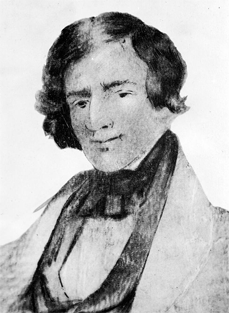
Jedediah Smith
Jedediah Strong Smith was an early American explorer. He and his party were the first Americans, in 1826, to cross the continent into Southern California and what is now San Bernardino County.
Born in Jericho, now Bainbridge, New York, on January 6, 1799, to Puritan descendants Jedediah, 1st and Sally Strong, Jedediah Smith was relatively well educated, particularly with regard to English and Latin and was averred a good writer. Smith’s father owned a general store and in 1810 became involved in a problem involving counterfeit currency, and thereafter moved his family to Erie County, Pennsylvania. At the age of 13, Jedediah Smith worked as a clerk on a Lake Erie freighter, picking up skill in business practices and became acquainted with traders. A friend of the Smith family, Dr. Titus G. V. Simons is believed to have given young Jedediah a copy of Meriwether Lewis’s and William Clark’s 1814 book recounting their 1804–1806 expedition to the Pacific. Legend has it that Smith packed this journal along on all of his travels throughout the American West. In 1817, the Smith family moved westward to Ohio, settling Green Township, or what is present-day Ashland County.
The six foot tall, blue-eyed Jedediah in 1822 had moved on his own to St. Louis, where he responded to an advertisement in the Missouri Gazette placed by General William H. Ashley, seeking “enterprising young men” interested in participating in the fur trade as junior partners to General Ashley and Major Andrew Henry, two veterans of the War of 1812. Ashley and Henry dispatched him up the Missouri River on the keelboat Enterprize, which sank three weeks into the journey. Smith and the other men waited at the site of the wreckage for a replacement boat, hunting and foraging for food until Ashley brought up another boat with an additional 46 men. Continuing upriver, Smith encountered Sioux and Arikara during his first foray into the western frontier, reaching the recently-built Fort Henry, named after his employer, at the mouth of the Yellowstone River on October 1. Smith and some other men continued up the Missouri to the mouth of the Musselshell River in central Montana, establishing a fur trapping camp there.
In the spring of 1823, Major Henry instructed Smith to descend the Missouri to the Grand River and have Ashley buy horses from the Arikaras, who had recently engaged in hostilities with Missouri Fur Company traders, in some measure because they were upset over the white trappers having displaced Indians as fur suppliers, as well as the Anglos’ recent intercession on behalf of several Sioux warriors that the Arikara had encircled and were about to annihilate. Smith met Ashley, who was bringing provisions upriver by boat, and some 70 men accompanying him at the Arikara village near Riccaree on May 30. A trade was arranged with the Arikara for a number of horses and 200 buffalo robes. Though both entities were amenable to the trade and the deal was consummated, tension between the red men and the palefaces was high and Ashley’s intent of departing at once was delayed by inclement weather. The vulnerable trappers were attacked by a war party of some 600 Arikara Indians. Ashley would later recount that the majority of the Indians were, “armed with London Fuzils [muskets] that carry a ball with great accuracy, and force, and which they use with as much expertness as any men I ever saw handle arms.” The remaining Arikara without firearms utilized bows and arrows and war axes. This would become known as the Arikaras Massacre, as the Arikara warriors overwhelmed the mountain men, 12 of whom were killed and many more wounded. In the face of the attack, Smith stood his ground and burnished his reputation as a courageous mountain man.
“When his party was in danger, Mr. Smith was always among the foremost to meet it, and the last to fly; those who saw him on shore, at the Riccaree fight, in 1823, can attest to the truth of this assertion,” one of those who came through the ordeal said. Survivors of the attack included Hugh Glass, Jim Bridger, Thomas Fitzpatrick, and Giles Roberts. Ashley dispatched Smith and another man to return to Fort Henry on foot to inform Major Henry of what had occurred. The remainder of the survivors headed downstream. A less than successful campaign against the Arikaras followed, in which 80 of Ashley and Henry’s men, 250 men from Fort Atkinson, 60 men of the Missouri Fur Company and a band of Lakota Sioux warriors, who were dire enemies of the Arikaras, participated. Henry and Ashley elevated Smith to the status of a captain during this effort, a title he would keep thereafter. The Arikaras proved successful in their resistance to the efforts to subdue them and eventually a truce was had under the terms of a negotiated peace treaty.
After the Arikaras campaign, Smith and several other of Ashley’s men traveled downriver to Fort Kiowa in the fall of 1823. From there, Smith and at least ten of the men made their way overland to the Rocky Mountains, intent on meeting the Crow tribe, whom they intended to bargain with for fresh mounts and obtain direction on how to make their way further westward. Along the way, Jedediah encountered and was attacked by a large grizzly bear. After the bear knocked Smith to the ground and pounced on him as horrified members of his party looked on, Smith sought to fight back, whereupon the bear broke Smith’s ribs, ripped his side open and clawed his head, which it then took into its mouth. Of a sudden, the bear inexplicably retreated, at which point the men in the party came to his assistance. Smith’s scalp and ear were nearly ripped off. Smith importuned one of the men, Jim Clyman, to loosely sew the mauled piece of flesh back into place. His fellow trappers fetched water and cleaned up his wounds and then bound up his broken ribs. Upon recovery, Smith wore his hair long to cover the large scar from his eyebrow to his ear.
After wintering in the Wind River Valley at the end of 1823 and the beginning of 1824, Smith undertook an exploratory expedition to find a route through the Rocky Mountains. Smith was able to communicate with the Crow Indians by means of a buffalo hide map on which the natives were able to show Smith and his men a route to the South Pass, a secret passage first encountered in 1812 by Canadian trapper Robert Stuart while traveling overland back from the Pacific Coast while he was working on behalf of John Jacob Astor’s fur company. With his men, Jedediah Smith crossed through the pass westward, reaching the Green River near the mouth of the Big Sandy River in what is now Wyoming. After dividing into separate parties to trap both upstream and downstream on the Green River, the men reunited in July on the Sweetwater River, and Thomas Fitzpatrick and two others traveled back to St. Louis and Ashley, bearing the furs and word of a route through the Rockies. Smith would later inform Secretary of War John Eaton in 1830 of the location and mode of access to the South Pass.
After Fitzpatrick left, Jedediah and his men again passed through South Pass, arriving at Flathead Post in Montana in November 1824. Shortly thereafter Major Henry would retire from the fur trading partnership with Ashley, and Ashley some time later took on Smith as his partner. Ashley left St. Louis late in 1824 and after an exploratory expedition through Wyoming and Utah, met up with Smith on July 1, 1825, offering him a full partnership in the company. Smith then returned to St. Louis where he recruited Robert Campbell to serve as the company’s clerk.
Smith had a second rendezvous in the summer of 1826 with Ashley, at which time Ashley withdrew from the direct harvesting of furs, agreeing that he would return to St. Louis to broker the sale of furs sent there and to arrange for the delivery of supplies to the fur gatherers. Leaving a cache of furs near the rendezvous site at what would become known as Cache Valley in northern Utah, Smith and Ashley traveled north to meet David E. Jackson of Virginia and William L. Sublette of Kentucky near present-day Soda Springs, Idaho. Ashley sold his fur gathering position in his and Smith’s partnership to the newly created partnership of Smith, Jackson & Sublette.
Fixated on finding the legendary Buenaventura River, reputed to be a navigable waterway to the Pacific Ocean providing an alternative to packing loads of furs back to St. Louis, Smith had searched for rivers flowing to the Pacific west and northwest of the Great Salt Lake. Such a find had been elusive, and he was unable to locate the Humboldt River, the likely source of the legend of the Buenaventura, even after he made it to eastern Nevada. Adducing that the Buenaventura must lie further south if it existed at all, Smith made plans for an exploratory expedition to Alta California, now a state of Mexico following that country’s newfound independence from Spain.
Smith, in a party totaling 16 men, left the Bear River on August 7, 1826, and after retrieving the cache he had left earlier, headed south through present-day Utah. The party left northern Utah on August 22, 1826 and continued southerly into Nevada and on to the Colorado River, encountering extremely forbidding territory and harsh traveling conditions. Upon crossing into California near present-day Needles, Smith and his men were able to take temporary refuge in a friendly Mojave village while they and their horses recuperated. While there, Smith met two runaway Indians from the Spanish missions in California and persuaded them to guide him and his men west. After leaving the river, Smith’s party and the two guides pressed out into the Mojave Desert, moving along the Mohave Trail, what would later become known as the Old Spanish Trail’s western portion, including passing by Soda Lake at the terminus of the Mojave River. They reached the San Bernardino Valley in November of 1826. Among Smith’s party was Abraham LaPlant, who spoke a smattering of Spanish. They were able to get a loan of some horses from a rancher in San Bernardino and rode to the San Gabriel Mission on November 27, 1826, presenting themselves to the pastor at the mission, Father José Bernardo Sánchez. Bernardo Sanchez was very hospitable. The next day, when the rest of Smith’s men arrived at the mission, the head of the garrison at the mission confiscated all the Smith party’s guns.
Smith’s men were obliged to remain at Mission San Gabriel for seven weeks while Governor José María Echeandía satisfied himself as to the reason for the arrival of these foreigners into his state. On December 8, Smith was summoned to San Diego for an interview with Governor Echeandía regarding his party’s status in the country. LaPlant accompanied Smith south while the rest of the party remained at the mission. Echeandía detained Smith in San Diego until December 22, during which time he had Smith turn over his journal and maps. Smith asked for permission to travel northward through California on El Camino Real so he could eventually reach the Columbia River, where a route back to United States territory existed. The wary Echeandía forbade Smith traveling up the coast to Bodega, and ordered him and his men to exit California by the same route by which they had come in, but he did grant Smith permission to purchase or trade for needed supplies for that overland return journey. It so happened that an American sea captain, W.H. Cunningham of Boston, had put into San Diego at that time on the ship Courier. Cunningham convinced Echeandía to release Smith and LaPlant to him, and he ferried the pair from San Diego to San Pedro.
On January 17, 1827 the party was given permission to depart Mission San Gabriel. Over the next few days, Smith’s men packed up and headed back to the San Bernardino Valley. There they laid over for more than a week, camping at “Jumuba”, an Indian village located a few miles west of San Gabriel Mission’s Rancho San Bernardino, in the vicinity of what is today’s Mission Road in Loma Linda.
Smith and his men would use their time in San Bernardino to store up on provisions and break wild horses, which they would need for their continuing journey. Among those in Smith’s expedition was Harrison G. Rogers, who kept a journal of the sojourn. Rogers thus became the first American to describe the San Bernardino Valley in writing, offering an account of the weather and climate in general, and chronicling the travails of breaking wild horses, keeping them corralled without a proper corral and encounters with local Indians.
Some passages from Rogers’ journal touching on San Bernardino include:
“Sunday 21st–“All hands were up early and getting their horses packed, we were under way in pretty good season, in the morning, and had an Ind (Indian) boy as a pilot, we started and traveled, a N.E. and By East course, 25 or 30 m and reached an Ind (Indian) farm house, about 4 m. distant from San Bernardo (Bernardino), where we have an order from old Father Joseph Sanchus (Sanchez), at the mission of San Gabriel, for all the supplyes we stand in need of the country quit (quite) mountainous and stony.
“Monday 22nd–Mr. S (Smith) and the Interpreter started early this morning up to San Bernardino for to see the Steward, and get supplies we intend killing some beef here and drying meat. I expect we shall remain here two or three days –all hands get milk this morning– ”
We have killed two Beeves and cut the meat, and drying it. Mr. S. has got corn, peas, parched meal, Sanchus has been the greatest friend that I ever met in all my travels, he is worthy of being called a Christian as he possesses charity in the highest degree–and a friend to the poor and distressed. I ever shall hold him as a man of God”, taking us when in distress feeding and clothing us –and may god prosper him and all such men, when we left the mission, he gave Mr. S and order to get eve-rything he wanted for the use of his company, as San Burnaindino –the Steward complying with the order so soon as it was presented by Mr. S.”
“Tuesday 23rd–Still at the Ind. farm 3 m from San Burnandeino some of the men are employed in braking Horses, and others making pack saddles and rigging them, mr. S sent a letter back this morning to old Father Sanchius concerning the horses we lossed at Saint Ann (Santa Ana del Chino), six in number, he will wait the result of his answer.
“Wednesday 24th– We are still remaining at the Ind. farm waiting the result of the Priests answer, and drying meat, and repairing saddles for our journey. Some of the men we kept employed braking wild Horses, Daniel Ferguson one of our men, when leaving the mission on the 18th Inst. hid himself and we could not find him, the corporal who commands at the mission promised to find him, and send him on to us, but I suspect we shall not see him again, the weather continues fine.
“Thursday 25th–No answer from the priest this morning, and we are obliged to remain here another day. The men will keep at work, braking young Horses, Mr. S discharged one of the men John Wilson, on the 17th Inst., and he could not get per-mission to stay in the country, therefor we obliged to let him come back to us, he remains with the company but not under pay as yet. I expect he will go on with us–The weather still continues beautiful–things about our camp as usual. Inds (Indians) traveling back and forward from the mission steady the Inds here call themselves the Farrahoots.
“Friday 26th–Early this morning we collected our Horses– and counted them and two was missing — Mr. S sent a man in search of them, he returned with them about 10 o’clock, we are still at the Ind-farm house, waiting an answer from the priest–at San Gabriel. I expect we shall remain here to-day–if the courier does not arrive, In the Evening James Reed and myself concluded we could go into the cowpen and rope some cows, and milk them, after the Ind-fashion, and accordingly we made ready our rope, and haltered four cows, and tied their heads up to a steak (stake), and made fast their hind feet and milked them, but did not get much milk on account of not letting their calves to them. So soon as we were done Capt Smith and Silas Gobel followed our Example, this country in many respects is the most desirable part of the world I ever was in, the climate so regular and beautiful, the thermometer stands daily from 65 to 70 degrees–and I am told it is about the same in the summer.
“Saturday 27th–Still at the Ind farm House waiting the answer from the priest 2 of our horses missing this morning–and four men sent in search of them. Mr. S and Lapoint is gone up to San burnondeino to see the old steward on the business–”
Smith’s party left the mission communities of California in mid-February 1827. The party headed out the way it had came, but once outside the Mexican settlements, Smith liberally construed Echeandía’s order to leave by the same route he had entered, following a portion of the Old Spanish Trail and then heading north into the Central Valley. Ultimately, they made their way to the Kings River on February 28 and set about at once trapping beaver. The party kept working its way north, encountering hostile Maidus. By early May 1827, Smith and his men had traveled 350 miles north, ever on the lookout for the elusive Buenaventura River, but found no water passage through the Sierra Nevada range that might have originated in the Rocky Mountains. On December 16, 1826, Smith had written in a letter to the United State ambassador plenipotentiary to Mexico his plans to “follow up on of the largest Riv(ers) that emptied into the (San Francisco) Bay cross the mon (mountains) at its head and from thence to our deposit on the Great Salt Lake. ” He made good on that stated intention. His men followed the Cosumnes River (the northernmost tributary of the San Joaquin River) upstream, but veered off it to the north and crossed over to the American River, a tributary of the Sacramento that flowed into San Francisco Bay. They gamely attempted to go up the canyon of the South Fork of the American to traverse the Sierra Nevada, but bogged down in snow that was too deep. Unable to get to Nevada and faced with the prospect of encountering the Mexican authorities, whom he had defied, by heading south again, and knowing he would be unable to reach the rendezvous destination at the appointed time by traveling north to the Columbia, Smith backtracked to the Stanislaus River, setting up a trapping camp there for the majority of his party. With two men, Robert Evans and Silas Gobel, and some extra horses, the three then set out to get to the northern Utah rendezvous point with as much dispatch as they could. Smith’s hope was to pick up more men in Utah and then come back to the Stanislaus camp later in the year and then head north to the Columbia.
At first, the three men made excellent progress, despite the forbidding nature of the crossing of the Sierra Nevada near Ebbets Pass they took. Passing around the south end of Walker Lake, they continued on, meeting with the only sporadic Indians, who were not hostile. They continued, making good time across central Nevada. With the advent of summer, however, they had reached the Great Basin Desert. With no food and virtually no water, the horses began to give out. They butchered those beasts for meat. Water was scarce. Evans collapsed after two days without water just as they were nearing the Nevada–Utah border. Some kindly Indians Smith met provided him with food and gave him directions to fresh water. Smith retrieved some water and took it back to Evans, managing to revive him even as the man was at death’s doorstep. They were again without water after crossing into Utah. As they were nearing the Great Salt Lake, Evans faltered once more. Smith and Gobel found a spring and again took water back to Evans. When they reached the top of a ridge from which they saw the Great Salt Lake to the north, their beasts of burden numbered a single horse and a single mule. After crossing the Jordan River, some Indians supplied Smith with a loaned fresh mount and he rode ahead of Evans and Gobel, reaching the Bear Lake rendezvous point on July 3. The mountain men trappers there were ecstatic at the sight of Jedediah’s arrival, as they had become convinced his entire party had perished.
After making that rendezvous, Smith sent a letter to William Clark, then in the office of the Superintendent of Indian Affairs for the region west of the Mississippi River, describing his experience over the previous year, then departed to rejoin the men he had left in California, taking with him 18 men and two French-Canadian women, essentially retracing the route he had taken the previous year. This time, the Mojave he encountered proved hostile, in large measure because in the interim the Indians had clashed with trappers from Taos. Intent on wreaking revenge against any Anglos, the Mojave attacked Smith’s party as they were crossing the river, killing 10 men, including Silas Gobel, and capturing the two women. Jedediah and the eight surviving men were yet armed with guns. After preparing a large shield out of trees and fashioning lances using butcher knives attached to poles, they made a stand on the west bank of the Colorado. Smith gave the command to fire on those within range, killing two of the Mojave and wounding another. The rest of the attackers scattered and retreated. Smith and his party then hastily headed west across the Mojave Desert on the Mohave Trail to the San Bernardino Valley.
Once again, Smith and his men were welcomed in San Bernardino and offered hospitality in San Gabriel. They departed northward, meeting up with the men he had left in the San Joaquin Valley on September 19, 1827. When they went to Mission San José, the priests there, who had already received warning of Smith’s renewed presence in the area, were far less accommodating than had been their counterparts at San Gabriel. Smith’s party also progressed to the Monterey and Yerba Buena (San Francisco) settlements.
Governor Echeandía, who was at the time in Monterey, ordered Smith’s arrest and that of his men. Echeandía was upset over Smith’s defiance, but consented to his release when several Americans in Monterey, including John B. R. Cooper and William Edward Petty Hartnell, vouched for him. A $30,000 bond was provided for him and his men and Smith received a passport conditioned on his agreement to leave California at once and not to return. Nevertheless, Smith and his party remained in California, hunting and trapping in the Sacramento Valley for several months. At the northern periphery of the valley, the band considered taking a route to the northeast afforded by the Pit River, but determined it to be impassable and instead headed northwest toward the Pacific Coast and then northward to find the Columbia River and return to the Rocky Mountain region. Jedediah and his men became the first to reach the Oregon Country over land by traveling up the California coast.
Upon leaving Alta California and entering into the Oregon Country, Smith became one of the first Americans to test the provisions of the Treaty of 1818, which allowed joint occupation between Britain and the United States. In the Oregon Country, Smith’s party, then numbering 19 and over 250 horses, encountered the the Umpqua people. After one of the Umpqua stole an ax, Smith’s party treated some of the Umpqua very harshly in order to force the axe’s return. On July 14, 1828, while Smith, John Turner and Richard Leland were scouting a trail north, his group was attacked in its camp on the Umpqua River. At about eight o’clock on the night of August 8, 1828, Arthur Black arrived at the gate of Hudson’s Bay Company compound at Fort Vancouver, badly wounded and nearly unclothed, believing he might be the only survivor of the attack. John McLoughlin, superintendent at the fort, offered a reward to local tribes if they brought Smith and any of his surviving men to the fort unharmed. A search party was organized.
Smith, Turner and Leland had witnessed the massacre of their comrades from higher ground above the camp. They arrived at the fort two days after Black straggled in there. McLoughlin sent Alexander McLeod south with Smith, Black, Turner and Leland and several Hudsons Bay Company men to rescue any other men that had been in camp that might have survived, and the provisions there. All 15 of the men caught in the attack were dead. Some 39 of the horses were still milling about and they recovered 700 beaver skins and Harrison Rogers’ journals on October 28. After burying the dead, they shepherded the horses back to the fort where George Simpson, the governor-in-chief of the Hudsons Bay Company, paid Smith $2,600 for the horses and furs. Smith told Simpson his American fur trade company would contain its trapping to the area east of the Great Divide. In the spring of 1829, Smith and Black departed Fort Vancouver to return east and again rendezvous with his partners.
Later that year Smith led a furring expedition into the Blackfeet territory, where his party, including Jim Bridger, captured a good cache of beaver before being set upon and driven away by hostile Blackfeet Native Americans. The group navigated the Powder River with Jim Bridger piloting the pelt-laden riverboat. Over the four years they were in business together, Smith Jackson, and Sublette made a substantial profit. At their 1830 rendezvous on the Wind River, they sold their company to Tom Fitzpatrick, Milton Sublette, Jim Bridger, Henry Fraeb, and John Baptiste Gervais, who renamed it the Rocky Mountain Fur Company.
Upon their return to St. Louis in 1830, Smith, Jackson and Sublette wrote a letter on October 29 to Secretary of War John H. Eaton to let him know of the “military implications” of the British allegedly alienating the indigenous population toward any American trappers in the Pacific Northwest. Smith’s biographer, Dale L. Morgan, characterized Smith’s letter as “a clear sighted statement of the national interest,” including a description of Fort Vancouver and described how the British were in the process of making a new fort at the time of Smith’s visit in 1829. Smith warned that the British were attempting to establish a permanent settlement in the Oregon Country. The contention over the dual occupancy of the Oregon Country between Britain and the United States would end in 1846, some 15 years after Smith’s death, with the signing of the Oregon Treaty.
Having made a substantial profit from the sale of furs – more than $17,000 in 1830 dollars and roughly $4 million in 2017 dollars – Smith endowed his family in Green Township with $1,500 for the purchase of a farm and all needed implements. Smith purchased a home on First Avenue in St. Louis and two African slaves who were enlisted to be caretakers of the property in his absence.
While in St. Louis in 1831, Smith and his partners worked with Samuel Parkman to chart the territory of their explorations. On March 2, 1831, Smith informed Eaton, who was now fully embroiled in the Petticoat Affair which would lead to his resignation as secretary of war a few months later, of the map of his party’s western discoveries. Smith requested that the government launch a federally funded exploration expedition similar to the Lewis & Clark expedition. Smith requested that he and Reuben Holmes, a West Point graduate and military officer, lead the expedition.
Smith and his partners were also preparing to join into the supply trade known as the “commerce of the prairies”. At the request of William H. Ashley, Smith, Jackson and Sublette received a passport from Senator Thomas Hart Benton on March 3, 1831, the day after Smith wrote his letter to Eaton and they began forming a company of 74 men, twenty-two wagons, and a “six-pounder” artillery cannon for protection.
When he did not hear back from Eaton, Smith joined his partners and left St. Louis for Santa Fe on April 10, 1831. On May 27, 1831, Smith left the caravan he was leading along the Santa Fe Trail to scout for water near the Lower Spring on the Cimmaron River in what is today southwest Kansas. He never returned. The party eventually went on to Santa Fe hoping Smith might meet up with them, but he never did. They arrived in Santa Fe on July 4, 1831, and shortly thereafter members of the party encountered a comanchero with some of Smith’s personal belongings. It was relayed that Smith had met with a group of comancheros just prior to his approaching a group of Comanche. Smith tried to negotiate with the Comanche, but they surrounded him in preparation for attack.
It is believed death found Jedediah Smith in what was then Northern Mexico Territory, south of present-day Ulysses, Grant County, Kansas. According to Smith’s grand-nephew, Ezra Delos Smith, there were 20 Comanches in the group. Smith attempted to conciliate with them, until the Comanches scared his horse and shot him in the left shoulder, with an arrow. According to this lore, Jedediah fought back, ultimately killing the chief of the warriors and as many as three others. The version written by Austin Smith in letter to his brother Ira four months after Smith’s death says that Jedediah killed the “head Chief,” but nothing about any other Comanche being wounded or killed. Josiah Gregg wrote in 1844, that Smith “struggled bravely to the last; and, as the Indians themselves have since related, killed two or three of their party before he was overpowered.” It is said that the Commanche respected Smith to the point that they did not mutilate his body. Austin Smith, Jedediah’s brother, who along with another Smith brother, Peter, was a member of the caravan, was able to retrieve Smith’s rifle and pistols that the Indians had taken and traded to the comancheros.
American Badger

By Diane Dragotto Williams
A somewhat flat-looking, mop of a mammal, short legged, its body comprised of long, shaggy, brown and gray fur, a triangular head, a pointed, tipped-up nose, with a distinguishing black striped and badge-like white pattern on its face is Taxidea taxus. Primarily found in the Great Plains of North America, the American Badger can be found in Southern California. These hardy animals prefer to live in dry, open grasslands, fields, pastures and high alpine meadows.
Weighing from 8 to 26 pounds, and 20 to 34 inches long, the badger can be a formidable opponent in a creature fight, holding its own against coyote, and, even, bear. Its menacing canine teeth flash dangerously close to its enemy in a scuffle, while the tough, loose skin behind its neck, if grabbed, gives wiggle room to turn around and surprise its attacker! When a badger is threatened, it will hiss, growl, squeal, snarl, and release a pungent musk smell to ward away predators.
This robust animal is an excellent digging machine using its front, big feet with long, backward-curving claws, while the back, short, shovel-like claws take up the rear! Badgers can tunnel after ground-dwelling rodents with amazing speed for its bulky, broad, ungainly body. A solitary animal with keen scent and hearing, it usually captures its prey by invading burrows of ground squirrels, mice, voles, gophers, rabbits, prairie dogs, and even, burrowing owls. However, birds, like bank swallows, and their eggs, as well as, reptiles, amphibians, insects, bees, fish and hibernating skunks can also be on the menu. Their hunting skills are evident when they outsmart venomous snakes, like rattlers! An unusual hunting technique involves cooperative work with coyotes. Tolerating each other, though at times, they can be enemies, they’ve adapted to a helpful relationship. As the badger “ferrets” out a possible contender for a meal from a burrow, the coyote will wait patiently nearby to catch a fleeing animal from the tunnel. In turn, the coyote will allow the badger to catch the next tasty morsel that tries to escape the dynamic duo!
Galloping at 16 to 19 miles an hour, the badger may escape into a nearby shelter from the grasp of golden eagles, bobcats, cougars and coyotes, giving the badger a lifespan of 4 to 14 years in the wild! Mainly nocturnal, and remaining underground, mostly, during the day, the American badger is active year round. Sleeping several weeks during severe winter weather, it goes into a torpor, lowering its heart rate in half. Mating in late summer and early autumn, the badger breeds once a year, producing a litter of 1 to 5 offspring. Grass-lined dens excavated by the badger are called setts that provide a nursery for birthing, and other burrows used for sleeping, storing food, or escape routes. When prey is scarce, the female must use stored up fat to sustain herself and her growing fetuses (causing much smaller young as juveniles). On occasion, when it is necessary, some badgers form clans called cetes, containing two to fifteen animals living in this extensive burrow system. The badger’s value to the ecosystem revolves around their powerfully built forelimbs that involve digging activities providing shelter for other species, while improving soil development. Wildhaven Ranch once had an up “close and personal” encounter with a high desert badger that migrated to our mountain elevation. Its presence with us made a long, lasting impression of an animal warrior, moderate in stature, but mighty in spirit!
Wildhaven Ranch is a wildlife sanctuary in the San Bernardino Mountains specializing in educating the public about wildlife in our ecosystem. Visit them at www.wildhavenranch.org or call for tours at (909) 337-7389.
Grace Bernal’s California Style: Flapping

2017 is upon us and we have quite an appetite for fashion trends in California. As always, we dress according to weather. We have snow in the mountains, and the standout trend is not really new clothes but unbuttoned coats, and jackets in this cold weather. Yes, the troopers of fashion wear their coats/jackets open in freezing weather. The interesting thing is that when a few daring people decide on a look, everyone follows. With that said, the coats/jackets are flying open in cold temperatures and it’s a a bit like a vintage celebrity wearing a coat over the shoulder. It says something about sophistication! The Hollywood weather with palm trees go great with shredded jeans and open coats. It’s all about the attitude this week and people have an open coat about it. So have fun running around with your coats flapping in the winds.
“I love red. Red pants. Red suit. Red coat. Red anything.” -Brad Goreski
January 6 Sentinel Legal Notices
CORRECTED FICTITIOUS BUSINESS NAME
STATEMENT FILE NO-20160011699
The following person(s) is(are) doing business as: Taste of China Seafood & Dim Sum Restaurant,4721 Chino Hills Parkway, Chino Hills, CA 91709, Sam’s Buffet 1, LLC, 13940 Barnett Lane, Eastvale, CA 92880
Business is Conducted By: A Limited Liability Company
Signed: BY SIGNING BELOW, I DECLARE THAT ALL INFORMATION IN THIS STATEMENT IS TRUE AND CORRECT. A registrant who declares as true information, which he or she knows to be false, is guilty of a crime. (B&P Code 17913) I am also aware that all information on this statement becomes Public Record upon filing.
s/ Sam Yap
This statement was filed with the County Clerk of San Bernardino on: 10/21/2016
I hereby certify that this is a correct copy of the original statement on file in my office.
Began Transacting Business: Not Applicable
County Clerk, s/RS
NOTICE- This fictitious business name statement expires five years from the date it was filed in the office of the county clerk. A new fictitious business name statement must be filed before that time. The filing of this statement does not of itself authorize the use in this state of a fictitious name in violation of the rights of another under federal, state, or common law (see section 14400 et. Seq. Business & Professions Code).
Original Run: 11/04/2016, 11/11/2016, 11/18/2016, 11/25/2016
Corrected Run: 12/09, 12/16, 12/23 & 12/30, 2016
ORDER TO SHOW CAUSE FOR CHANGE OF NAME
CASE # CIVRS 1600457
TO ALL INTERESTED PERSONS: Petitioner CARMEN MARTINEZ has filed a petition with the clerk of this court for a decree changing names as follows:
RAYMOND HENRY GARCIA JR to RAYMOND DAVID CLAIRE
THE COURT ORDERS that all persons interested in this matter appear before this court at the hearing indicated below to show cause, if any, why the petition for change of name should not be granted. Any person objecting to the name changes described above must file a written objection that includes the reasons for the objection at least two court days before the matter is scheduled to be heard and must appear at the hearing to show cause why the petition should not be granted. If no written objection is timely filed, the court may grant the petition without a hearing.
NOTICE OF HEARING
DATE: 02/03/2017
TIME: 8:30 A.M
Department: R-8
The address of the court is SUPERIOR COURT OF CALIFORNIA COUNTY OF SAN BERNARDINO RANCHO CUCAMONGA JUDICIAL DISTRICT 8303 NORTH HAVEN AVENUE RANCHO CUCAMONGA, CA 91730.
IT IS FURTHER ORDERED that a copy of this order be published in THE SAN BERNARDINO COUNTY SENTINEL in San Bernardino County, California, once a week for four consecutive weeks prior to the date set for hearing of the petition
Date: DECEMBER 16, 2016
s/ R. GLENN YABUNO, Judge of the Superior Court
Run dates: 12/16, 12/23 & 12/30, 2016 AND 01/06, 2017.
ORDER TO SHOW CAUSE FOR CHANGE OF NAME
CASE # CIVRS 1600459
TO ALL INTERESTED PERSONS: Petitioners RENATO A QUIJANO/LANIE B QUIJANO have filed a petition with the clerk of this court for a decree changing names as follows:
NI SHENG NI to CHRISTINA SHENG QUIJANO
THE COURT ORDERS that all persons interested in this matter appear before this court at the hearing indicated below to show cause, if any, why the petition for change of name should not be granted. Any person objecting to the name changes described above must file a written objection that includes the reasons for the objection at least two court days before the matter is scheduled to be heard and must appear at the hearing to show cause why the petition should not be granted. If no written objection is timely filed, the court may grant the petition without a hearing.
NOTICE OF HEARING
DATE: 02/03/2017
TIME: 8:30 A.M
Department: R-8C
The address of the court is SUPERIOR COURT OF CALIFORNIA COUNTY OF SAN BERNARDINO RANCHO CUCAMONGA JUDICIAL DISTRICT 8303 NORTH HAVEN AVENUE RANCHO CUCAMONGA, CA 91730.
IT IS FURTHER ORDERED that a copy of this order be published in THE SAN BERNARDINO COUNTY SENTINEL in San Bernardino County, California, once a week for four consecutive weeks prior to the date set for hearing of the petition
Date: DECEMBER 16, 2016
s/ STEPHAN G. SALESON, Judge of the Superior Court
Run dates: 12/16, 12/23 & 12/30, 2016 AND 01/06, 2017.
FBN 20160012990
The following entity is doing business as:
UNIVERSAL COMMUNICATIONS 16520 STONECREEK DR. FONTANA, CA 92336 KARLA IVONNE CRISTABEL ROMERO FLORES 16520 STONECREEK DR. FONTANA, CA 92336
This business is conducted by: AN INDIVIDUAL.
The registrant commenced to transact business under the fictitious business name or names listed above on: N/A.
By signing, I declare that all information in this statement is true and correct. A registrant who declares as true information which he or she knows to be false is guilty of a crime (B&P Code 17913). I am also aware that all information on this statement becomes Public Record upon filing.
S/ Karla Ivonee Cristabel Romero Flores
Statement filed with the County Clerk of San Bernardino on 11/28/2016.
I hereby certify that this copy is a correct copy of the original statement on file in my office San Bernardino County Clerk By:/Deputy
Notice-This fictitious name statement expires five years from the date it was filed in the office of the county clerk. A new fictitious business name statement must be filed before that time. The filing of this statement does not of itself authorize the use in this state of a fictitious business name in violation of the rights of another under federal, state, or common law (see Section 14411 et seq., Business and Professions Code).
Published in the San Bernardino County Sentinel 12/16, 12/23 & 12/30, 2016 and 01/06, 2017.
FBN 20160012892
The following entity is doing business as:
REALITEA 9559 CENTER AVE, SUITE L RANCHO CUCAMONGA, CA 91730 OPTECHON INC 9559 CENTER AVE, SUITE L RANCHO CUCAMONGA, CA 91730
This business is conducted by: A CORPORATION.
The registrant commenced to transact business under the fictitious business name or names listed above on: N/A.
By signing, I declare that all information in this statement is true and correct. A registrant who declares as true information which he or she knows to be false is guilty of a crime (B&P Code 17913). I am also aware that all information on this statement becomes Public Record upon filing.
S/ YONGXIN SHEN
Statement filed with the County Clerk of San Bernardino on 11/22/2016.
I hereby certify that this copy is a correct copy of the original statement on file in my office San Bernardino County Clerk By:/Deputy
Notice-This fictitious name statement expires five years from the date it was filed in the office of the county clerk. A new fictitious business name statement must be filed before that time. The filing of this statement does not of itself authorize the use in this state of a fictitious business name in violation of the rights of another under federal, state, or common law (see Section 14411 et seq., Business and Professions Code).
Published in the San Bernardino County Sentinel 12/16, 12/23 & 12/30, 2016 and 01/06, 2017.
FBN 20160013546
The following entity is doing business as:
ROSA’S INCOME TAX & SERVICES 387 N 4TH STREET COLTON, CA 92324 ROSA I SERRANO 387 N 4TH STREET COLTON, CA 92324
This business is conducted by: AN INDIVIDUAL
The registrant commenced to transact business under the fictitious business name or names listed above on: N/A.
By signing, I declare that all information in this statement is true and correct. A registrant who declares as true information which he or she knows to be false is guilty of a crime (B&P Code 17913). I am also aware that all information on this statement becomes Public Record upon filing.
S/ Rosa Serran
Statement filed with the County Clerk of San Bernardino on 12/14/2016.
I hereby certify that this copy is a correct copy of the original statement on file in my office San Bernardino County Clerk By:/Deputy
Notice-This fictitious name statement expires five years from the date it was filed in the office of the county clerk. A new fictitious business name statement must be filed before that time. The filing of this statement does not of itself authorize the use in this state of a fictitious business name in violation of the rights of another under federal, state, or common law (see Section 14411 et seq., Business and Professions Code).
Published in the San Bernardino County Sentinel 12/16, 12/23 & 12/30, 2016 and 01/06, 2017.
FBN 20160013216
The following entity is doing business as:
MAGURO SUSHI & GRILL 1490 E FOOTHILL BLV UNIT D UPLAND, CA 91786 MAGURO CORPORATION 10976 WEYBRIDGE DRIVE RANCHO CUCAMONGA, CA 91730
This business is conducted by: A CORPORATION
The registrant commenced to transact business under the fictitious business name or names listed above on: N/A.
By signing, I declare that all information in this statement is true and correct. A registrant who declares as true information which he or she knows to be false is guilty of a crime (B&P Code 17913). I am also aware that all information on this statement becomes Public Record upon filing.
S/ Marthinus Tjia
Statement filed with the County Clerk of San Bernardino on 12/05/2016.
I hereby certify that this copy is a correct copy of the original statement on file in my office San Bernardino County Clerk By:/Deputy
Notice-This fictitious name statement expires five years from the date it was filed in the office of the county clerk. A new fictitious business name statement must be filed before that time. The filing of this statement does not of itself authorize the use in this state of a fictitious business name in violation of the rights of another under federal, state, or common law (see Section 14411 et seq., Business and Professions Code).
Published in the San Bernardino County Sentinel 12/16, 12/23 & 12/30, 2016 and 01/06, 2017.
FBN 20160013225
The following entity is doing business as:
LET’S PLAN ON IT! 5421 CIMARRON CT RANCHO CUCAMONGA, CA 91739 DEBRA E CHRISTENSEN CIMARRON CT RANCHO CUCAMONGA, CA 91739
This business is conducted by: AN INDIVIDUAL
The registrant commenced to transact business under the fictitious business name or names listed above on: N/A.
By signing, I declare that all information in this statement is true and correct. A registrant who declares as true information which he or she knows to be false is guilty of a crime (B&P Code 17913). I am also aware that all information on this statement becomes Public Record upon filing.
S/ Debra E Christensen
Statement filed with the County Clerk of San Bernardino on 12/05/2016.
I hereby certify that this copy is a correct copy of the original statement on file in my office San Bernardino County Clerk By:/Deputy
Notice-This fictitious name statement expires five years from the date it was filed in the office of the county clerk. A new fictitious business name statement must be filed before that time. The filing of this statement does not of itself authorize the use in this state of a fictitious business name in violation of the rights of another under federal, state, or common law (see Section 14411 et seq., Business and Professions Code).
Published in the San Bernardino County Sentinel 12/16, 12/23 & 12/30, 2016 and 01/06, 2017.
FBN 20160012703
The following entity is doing business as:
PRODIGI MOBILE 10808 FOOTHILL BLVD STE
STE #160-202 RANCHO CUCAMONGA, CA 91730 ADAM LEE 10808 FOOTHILL BLVD STE #160-202 RANCHO CUCAMONGA, CA 91730 JESSIE BAI 10808 FOOTHILL BLVD STE #160-202 RANCHO CUCAMONGA, CA 91730
This business is conducted by: A GENERAL PARTNERSHIP
The registrant commenced to transact business under the fictitious business name or names listed above on: N/A.
By signing, I declare that all information in this statement is true and correct. A registrant who declares as true information which he or she knows to be false is guilty of a crime (B&P Code 17913). I am also aware that all information on this statement becomes Public Record upon filing.
S/ Adam Lee
Statement filed with the County Clerk of San Bernardino on 11/16/2016.
I hereby certify that this copy is a correct copy of the original statement on file in my office San Bernardino County Clerk By:/Deputy
Notice-This fictitious name statement expires five years from the date it was filed in the office of the county clerk. A new fictitious business name statement must be filed before that time. The filing of this statement does not of itself authorize the use in this state of a fictitious business name in violation of the rights of another under federal, state, or common law (see Section 14411 et seq., Business and Professions Code).
Published in the San Bernardino County Sentinel 12/16, 12/23 & 12/30, 2016 and 01/06, 2017.
FBN 20160013753
The following entity is doing business as:
GARCIA’S TRANSPORT SERVICES 15490 JACKSON DRIVE FONTANA, CA 92336 STEVEN A GARCIA 15490 JACKSON DRIVE FONTANA, CA 92336
This business is conducted by: AN INDIVIDUAL.
The registrant commenced to transact business under the fictitious business name or names listed above on: N/A.
By signing, I declare that all information in this statement is true and correct. A registrant who declares as true information which he or she knows to be false is guilty of a crime (B&P Code 17913). I am also aware that all information on this statement becomes Public Record upon filing.
S/ Steven A. Garcia
Statement filed with the County Clerk of San Bernardino on 12/20/2016.
I hereby certify that this copy is a correct copy of the original statement on file in my office San Bernardino County Clerk By:/Deputy
Notice-This fictitious name statement expires five years from the date it was filed in the office of the county clerk. A new fictitious business name statement must be filed before that time. The filing of this statement does not of itself authorize the use in this state of a fictitious business name in violation of the rights of another under federal, state, or common law (see Section 14411 et seq., Business and Professions Code).
Published in the San Bernardino County Sentinel 12/23 & 12/30, 2016 and 01/06 & 01/13, 2016.
FBN 20160013503
The following entity is doing business as:
SAFE INVESTMENT REALTY GROUP 8311 HAVEN AVE SUITE #180 RANCHO CUCAMONGA, CA 91730 AKXELEM TEJEDA PATZAN 10757 LEMON AVE 1PT 1925 RANCHO CUCAMONGA, CA 91737.
This business is conducted by: AN INDIVIDUAL.
The registrant commenced to transact business under the fictitious business name or names listed above on: 11/03/2016.
By signing, I declare that all information in this statement is true and correct. A registrant who declares as true information which he or she knows to be false is guilty of a crime (B&P Code 17913). I am also aware that all information on this statement becomes Public Record upon filing.
S/ Akxelem Tejeda Patzan
Statement filed with the County Clerk of San Bernardino on 12/13/2016.
I hereby certify that this copy is a correct copy of the original statement on file in my office San Bernardino County Clerk By:/Deputy
Notice-This fictitious name statement expires five years from the date it was filed in the office of the county clerk. A new fictitious business name statement must be filed before that time. The filing of this statement does not of itself authorize the use in this state of a fictitious business name in violation of the rights of another under federal, state, or common law (see Section 14411 et seq., Business and Professions Code).
Published in the San Bernardino County Sentinel 12/23 & 12/30, 2016 and 01/06 & 01/13, 2016.
NOTICE TO THE PUBLIC: Public Notice is hereby provided that the PanTerra D’Oro Private Society, a recognized Ecclesiastical Sovereignty and Body Politic, and the Court of the Ekklesia thereof (henceforth “Court”), has taken into the permanent archival records of the Court the archival record of the living man, kenneth scott, House of Cousens, established as a Court of Record, of all acts undertaken pursuant to his volitional free will acts to secure his intrinsic unalieanable rights of self-determination and thereby correct his status with respect to the United States, by revoking and terminating all attachment of bonded surety status to the bankrupt franchise of the United States (U.S. citizen, United States Person KENNETH SCOTT COUSENS), and to properly assert his political Status of Private Californian, Private American National as part of the organic, de jure perpetual Union of states, and has rescinded all signatures of suretyship attached to said franchise and revoked and terminated all known and unknown attachments by contract or other legal nexus thereto; and WHEREAS said declared political Status, Claim of Name et al, is chronicled —evidenced in the public— via his Declaration of Status with Brief in Support and Exhibits annexed thereto and recorded in Superior Court of Lamar County, Georgia (Document Number: BPA Book 43, Pages 902-962, April 6, 2015, 10:19 a.m.); and WHEREAS the Archivist of the Court has affirmed the complete record of the Court of Record inclusive of the lawful Declaration of Status of kenneth scott, Brief in Support and Exhibits annexed thereto and his Proof of Life and Claim of his Ancestral-Lineal Estate; and WHEREAS, the United States by and through holders of High Office thereof have been provided sufficient notice of these acts and have failed to rebut, object or provide evidence of any contrary, prior, equal or superior claims, the record of which is held in the private records of the Court, and therefore the Court of Record has been adjudicated and settled, and the Court has therefrom issued under its Sacred Seal its “Entry onto the Public Record of Notice of Declaratory Judgment, Foreign to the United States, Entered by Order of the PanTerra D’Oro Court of the Ekklesia, NOTICE OF ANNEXATION: Writ of Entry, Court of Record and Name, Archivist Declaration of Records, Writ of Pronuntio and Restitutuio for Nativity and Homestead, Declaration of Peace (of kenneth scott)”, now made public on November 8, 2016, at record file number 16-MC1294 in United States District Court, Southern California Division; and WHEREAS, the Court has entered its Declaratory Judgment that the living man’s name is now held in the private and is henceforth “kenneth scott” and the living man is forever severed from attachment to the public franchise and KENNETH SCOTT COUSENS is now restated as a Private Business Trust for purposes of settling any and all claims against the franchise and preserving and protecting the beneficial rights and equitable interests of the Living Beneficiary (Cestui Que Vie); and WHEREAS, all property belonging to the United States has been returned in conformity with 12 USC 95a(2), which is binding on the United States and all subdivisions, officers and actors thereof for a complete acquittal and discharge of all liabilities against said U.S. person; and WHEREAS, all relevant office holders have been properly notified of this change of status and provided twenty-one (21) days for rebuttal or objection, to which all have remained silent and have thereby acquiesced and affirmed these facts, including the mandatory requirement by their binding codes to correct their system of records, including but not limited to the Numident and CSP records of the Social Security Number belonging to the United States and attached to its franchise within the Social Security Administration system of records to a status of non-resident; and WHEREAS, the Commissioner of Internal Revenue has been provided with all necessary notices and requirements for the settlement of any duties, taxes or otherwise pursuant to the Act of July 1, 1862, and having failed to respond has thereby acquiesced and affirmed that all such have been properly settled and paid in order to fulfill the necessary release of the estate and property thereof to the private trustees appointed for such purposes; and WHEREAS, final notice of docking of the vessel in commerce and discharging of its cargo have been issued, received and accepted; and WHEREAS, the record of notice, delivery, acceptance and closure is held in both the above noted private archival Court records and the public record system by and through the United States Post Office by its contract agency United States Postal Service, as follows: Melba Acosta Febo (Commissioner of Internal Revenue), International Registered Number RE 935 292 343 US, received on September 21, 2016; and John Koskinen (Commissioner Internal Revenue Service), International Registered Number RE 935 292 391 US, received on September 19, 2016; and Jeh Charles Johnson (Secretary of Department of Homeland Security), International Registered Number RE 935 292 405 US, received on September 19, 2016; and Carolyn W. Colvin (Acting Commissioner of Social Secuirty Administration), International Registered Number RE 935 292 388 US, received on September 21, 2016; and THEREFORE, ORDER TO SHOW CAUSE is hereby issued for all parties of interest in this matter to come forth with any response, rebuttal or objection to these facts, and failing to do so, therefore BE IT HEREBY RESOLVED, that the living man is now known as kenneth scott, is the true owner of the name KENNETH SCOTT COUSENS, and is now the Living Beneficiary and Cestui Que Vie of the KENNETH SCOTT COUSENS Private Business Trust and is Heir to the Ancestral-Lineal Estate held therein. All the records of the process are available for review upon written request to the Clerk of Court at clerk.of.court@panterrapca.org. Failure to respond, rebut or object to these facts within thirty (30) days of this Notice will constitute full adjudication and final res judicata of this matter.
Published in the San Bernardino County Sentinel 12/23 & 12/30, 2016 and 01/06 & 01/13, 2016.
SUMMONS (CITACIÓN JUDICIAL)
NOTICE TO DEFENDANT (AVISO AL DEMANDADO): STEVEN ROBBINS.
YOU HAVE BEEN SUED BY PLAINTIFF (LO ESTA DEMANDADO EL DEMANDANTE): ABNB FEDERAL CREDIT UNION.
Filed IN THE SUPERIOR COURT OF CALIFORNIA, COUNTY OF SAN BERNARDINO SAN BERNARDINO CIVIL DIVISION ON FEBRUARY 25 2016. CASE NUMBER: CIVDS 1603041
NOTICE! You have been sued. The court may decide against you without your being heard unless you respond within 30 days. Read the information below.
You have 30 CALENDAR DAYS after this summons and legal papers are served on you to file a written response at this court and have a copy served on the plaintiff. A letter or phone call will not protect you. Your written response must be in proper legal form if you want the court to hear your case. There may be a court form that you can use for your response. You can find these court forms and more information at the California Courts Online Self-Help Center (www.courtinfo.ca.gov/selfhelp), your county law library, or the courthouse nearest you. If you cannot pay the filing fee, ask the court clerk for a fee waiver form. If you do not file your response on time, you may lose the case by default, and your wages, money, and property may be taken without further warning from the court.
There are other legal requirements. You may want to call an attorney right away. If you do not know an attorney, you may want to call an attorney referral service. If you cannot afford an attorney, you may be eligible for free legal services from a nonprofit legal services program. You can locate these nonprofit groups at the California Legal Services Web site (www.lawhelpcalifornia.org), the California Courts Online Self-Help Center (www.courtinfo.ca.gov/selfhelp), or by contacting your local court or county bar association. NOTE: The Court has a statutory lien for waived fees and costs on any settlement or arbitration award of $10,000 or more in a civil case. The court’s lien must be paid before the court will dismiss the case. AVISO: Lo han demandado. Si no responde dentro de 30 dias, la corte puede decidir en su contra sin escuchar su versión. Lea la información a continuación.
Tiene 30 DIAS DE CALENDARIO después de que le entreguen esta citación y papeles legales para presentar Una respuesta por escrito en esta Corte y hacer que se entregue Una copia at demandante. Una Carta o Una llamada telefónica no lo protegen. Su respuesta por escrito tiene que estar en formato legal correcto si desea que procesen su caso en la Corte. Es posible que haya un formulario que usted pueda usar para su respuesta. Puede encontrar estos formularios de la corte y mas información en el Centro de Ayuda de las Cortes de California (www.sucorte.ca.gov), en la biblioteca de leyes de su condado o en la Corte que le quede mes cerca. Si no puede pagar la cuota de presentación, pida al secretario de la Corte que le de un formulario de exención de pago de cuotas. Si no presenta su respuesta a tiempo, puede perder el caso por incumplimiento y la Corte le podrí quitar su sueldo, dinero y bienes sin mis advertencia.
Hay otros requisitos, legales. Es recomendable que líame a un abogado inmediatamente. Si no conoce a un abogado, puede llamar a un servicio de remisión a abogados. Si no puede pagar a un abogado, es posible que cumpla con los requisitos para obtener servicios legales gratuitos de un programa de servicios legales sin fines de lucro. Puede encontrar estos grupos sin fines de lucro en el sitio web de California Legal Services, (www.lawhe1pcalifornia.org), en el Centro de Ayuda de las Cortes de California, (www.sucorte.ca.gov) o poniéndose en contacto con la Corte o el colegio de abogados locales. AVISO: Por ley, la corte tiene derecho a reclamar las cuotas y los costos exentos por imponer un gravamen sobre cualquier recuperación de $10,000 o más de valor recibida mediante un acuerdo o una concesión de arbitraje en un caso de derecho civil. Tiene que pagar el gravamen de la corte antes de que la corte pueda desechar el caso.
The name and the address of the court are:
(El nombre y dirección de la corte es): SUPERIOR COURT OF CALIFORNIA, COUNTY OF SAN BERNARDINO 247 WEST THIRD STREET, SAN BERNARDINO, CA 92415-0210
The name, address, and telephone number of the petitioner’s attorney, or the petitioner without an attorney, is:
(El nombre, dirección y número de teléfono del abogado del demandante, o del demandante si no tiene abogado, es): REA STELMACH, ESQ. 296671 SILVERMAN THEOLOGOU, LLP 11630 CHAYOTE ST., SUITE 3, LOS ANGELES CA 90049 TEL (909) 476-0651 FAX (213) 226-6964
Date (Fecha): FEB 25 2016
Clerk, by (Secretario, por) Anita Johnson, Deputy (Adjunta)
Published in the San Bernardino County Sentinel 12/23 & 12/30, 2016 and 1/06, 2017 & 01/13, 2017.
NOTICE OF PETITION TO ADMINISTER ESTATE OF ROBERTA NICASIO CASE NO. PROPS 1600996
To all heirs, beneficiaries, creditors, contingent creditors and persons who may be otherwise interested in the will or estate, or both of: ROBERTA NICASIO: a Petition for Probate has been filed by ELIZABETH SALGADO in the Superior Court of California, County of San Bernardino. The Petition for Probate requests that ELIZABETH SALGADO be appointed as personal representative to administer the estate of the decedent.
The petition requests authority to administer the estate under the Independent Administration of Estates Act. (This will avoid the need to obtain court approval for many actions taken in connection with the estate. However, before taking certain actions, the personal representative will be required to give notice to interested persons unless they have waived notice or have consented to the proposed action. The petition will be granted unless good cause is shown why it should not be.)
The petition is set for hearing in the S36 P at 8:30AM on 02/06/2017 at 247 W THIRD ST. SAN BERNARDINO, CA 92415
IF YOU OBJECT to the granting of the petition, you should appear at the hearing and state your objections or file written objections with the court before the hearing. Your appearance may be in person or by your attorney.
IF YOU ARE A CREDITOR or a contingent creditor of the deceased, you must file your claim with the court and mail a copy to the personal representative appointed by the court within the later of either (1) four months from the date of first issuance of letters to a general personal representative, as defined in subdivision (b) of Section 58 of the California Probate Code, or (2) 60 days from the date of mailing or personal delivery of the notice to you under Section 9052 of the California Probate Code.
YOU MAY EXAMINE the file kept by the court. If you are interested in the estate, you may request special notice of the filing of an inventory and appraisal of estate assets or of any petition or account as provided in Section 1250 of the California Probate Code. A request for Special notice form (form DE-154) is available from the court clerk. Attorney or Party without Attorney: PRISCILLA HERNANDEZ (SBN: 283603) PM LAW, INC. 8350 ARCHIBALD AVENUE #203 RANCHO CUCAMONGA, CA 91730 (909) 527-4336 info@PMLawInc.com
Published in the San Bernardino County Sentinel 12/30, 2016 and 01/06 & 01/13, 2017.
FBN 20160013171
The following entity is doing business as:
BARSTOW AUTO SALES 1230 WEST MAIN STREET BARSTOW, CA 92311 SALWA M MUSEITEF 1230 WEST MAIN STREET BARSTOW, CA 92311
This business is conducted by: AN INDIVIDUAL
The registrant commenced to transact business under the fictitious business name or names listed above on: 8/01/2001.
By signing, I declare that all information in this statement is true and correct. A registrant who declares as true information which he or she knows to be false is guilty of a crime (B&P Code 17913). I am also aware that all information on this statement becomes Public Record upon filing.
S/ Salwa M Museitef
Statement filed with the County Clerk of San Bernardino on 12/02/2016.
I hereby certify that this copy is a correct copy of the original statement on file in my office San Bernardino County Clerk By:/Deputy
Notice-This fictitious name statement expires five years from the date it was filed in the office of the county clerk. A new fictitious business name statement must be filed before that time. The filing of this statement does not of itself authorize the use in this state of a fictitious business name in violation of the rights of another under federal, state, or common law (see Section 14411 et seq., Business and Professions Code).
Published in the San Bernardino County Sentinel 12/30, 2016 and 01/06, 01/13 & 01/20, 2017.
FBN 20160013124
The following entity is doing business as:
WOLF SNACKS 255 OAK DRIVE LAKE ARROWHEAD, CA 92352 JASEN E MATTINGLY 255 OAK DRIVE LAKE ARROWHEAD, CA 92352
This business is conducted by: AN INDIVIDUAL
The registrant commenced to transact business under the fictitious business name or names listed above on: N/A.
By signing, I declare that all information in this statement is true and correct. A registrant who declares as true information which he or she knows to be false is guilty of a crime (B&P Code 17913). I am also aware that all information on this statement becomes Public Record upon filing.
S/ JASEN E. MATTINGLY
Statement filed with the County Clerk of San Bernardino on 12/01/2016.
I hereby certify that this copy is a correct copy of the original statement on file in my office San Bernardino County Clerk By:/Deputy
Notice-This fictitious name statement expires five years from the date it was filed in the office of the county clerk. A new fictitious business name statement must be filed before that time. The filing of this statement does not of itself authorize the use in this state of a fictitious business name in violation of the rights of another under federal, state, or common law (see Section 14411 et seq., Business and Professions Code).
Published in the San Bernardino County Sentinel 12/30, 2016 and 01/06, 01/13 & 01/20, 2017.
CORRECTED FICTITIOUS BUSINESS NAME STATEMENT
FBN 20160012745
The following entity is doing business as:
ORDONEZ TRANSPORT 8596 TANGELO CT FONTANA, CA 92335 HERIBERTO R ORD ONEZCEJA 8596 TANGELO CT FONTANA, CA 92335 [and] CARMINA GARCIA 3419 CREST AVE SE APT B ALBUQUERQUE, NM 87106 E
This business is conducted by: A MARRIED COUPLE.
The registrant commenced to transact business under the fictitious business name or names listed above on: N/A.
By signing, I declare that all information in this statement is true and correct. A registrant who declares as true information which he or she knows to be false is guilty of a crime (B&P Code 17913). I am also aware that all information on this statement becomes Public Record upon filing.
S/ HERIBERTO ORDONEZ
Statement filed with the County Clerk of San Bernardino on 11/17/2016.
I hereby certify that this copy is a correct copy of the original statement on file in my office San Bernardino County Clerk By:/Deputy
Notice-This fictitious name statement expires five years from the date it was filed in the office of the county clerk. A new fictitious business name statement must be filed before that time. The filing of this statement does not of itself authorize the use in this state of a fictitious business name in violation of the rights of another under federal, state, or common law (see Section 14411 et seq., Business and Professions Code).
Published in the San Bernardino County Sentinel Original Run: 11/25, 12/02, 12/09 & 12/16, 2016.
Corrected Run: 12/23 and 12/30, 2016 & 01/05 and 01/13, 2017.
Request for Statement of Qualifications
CFS-E Street, LLC (Owner) will accept Statements of Qualifications (SOQ) in writing for this solicitation until 5:00 p.m. PST on the 20th day of January, 2017, delivered to CFS-E Street, LLC c/o Valencia Car Wash, 24233 Creekside Rd. Valencia, CA 91355. The Owner is soliciting proposals from qualified contractors who are interested in bidding on the CFS E STREET OFFICE BUILDING – SAN BERNARDINO project. The project generally consists of a 44,000-square-foot ground-up office building, associated offsite work, and other tasks necessary to complete the work. Questions regarding this Request for Statement of Qualifications may be addressed in writing and delivered to: CFS-E Street, LLC, Attn: Mr. Jeffrey Paul, 24233 Creekside Rd. Valencia, CA 91355 or by electronic mail to: jeffpaulspa@hotmail.com. Published in the San Bernardino County Sentinel 1/6/2017 and 1/13/2017.
Title Order No.: 734758 Trustee Sale No.: NR-50160-CA Reference No.: Brighton at Terra Vista APN No.: 227-352-47 NOTICE OF TRUSTEE’S SALE [ATTENTION RECORDER: PURSUANT TO CIVIL CODE §2923.3, THE SUMMARY OF INFORMATION REFERENCED BELOW IS NOT ATTACHED TO THE RECORDED COPY OF THIS DOCUMENT BUT ONLY TO THE COPIES PROVIDED TO THE TRUSTOR.] NOTE: THERE IS A SUMMARY OF THE INFORMATION IN THIS DOCUMENT ATTACHED YOU ARE IN DEFAULT UNDER A NOTICE OF DELINQUENT ASSESSMENT DATED 03/12/2014. UNLESS YOU TAKE ACTION TO PROTECT YOUR PROPERTY, IT MAY BE SOLD AT A PUBLIC SALE. IF YOU NEED AN EXPLANATION OF THE NATURE OF THE PROCEEDINGS AGAINST YOU, YOU SHOULD CONTACT A LAWYER. On 01/27/2017 at 1:00 PM, Nationwide Reconveyance LLC As the duly appointed Trustee under and pursuant to Notice of Delinquent Assessment, recorded on 03/26/2014 as Document No. 2014-0106402 Book XX Page XX, of Official Records in the Office of the Recorder of San Bernardino County, California, property owned by: Ronald Jose Rodriguez WILL SELL AT PUBLIC AUCTION TO THE HIGHEST BIDDER FOR CASH, (payable at time of sale in lawful money of the United States, by cash, a cashier’s check drawn by a State or national bank, a check drawn by a state of federal credit union, or a check drawn by a state or federal savings and loan association, savings association, or savings bank specified in section 5102 of the Financial Code and authorized to do business in this state.) At: THE FRONT STEPS LEADING UP TO THE CITY OF CHINO CIVIC CENTER, 13220 CENTRAL AVENUE, CHINO CALIFORNIA All right, title and interest under said Notice of Delinquent Assessment in the property situated in said County, describing the land therein: 227-352-47 The street address and other common designation, if any of the real property described above is purported to be: 7353 Ellena West #145, Rancho Cucamonga, CA 91730. The undersigned Trustee disclaims any liability for any incorrectness of the street address and other common designation, if any, shown herein. Said sale will be made, but without covenant or warranty, expressed or implied, regarding title, possession, or encumbrances, to pay the remaining principal sum due under said Notice of Delinquent Assessment, with interest thereon, as provided in said notice, advances, if any, estimated fees, charges, and expenses of the Trustee, to-wit: $14,601.84 Estimated Accrued Interest and additional advances, if any, will increase this figure prior to sale The claimant, Brighton at Terra Vista Homeowners Association under said Notice of Delinquent Assessment heretofore executed and delivered to the undersigned a written Declaration of Default and Demand for Sale, and a written Notice of Default and Election to Sell. The undersigned caused said Notice of Default and Election to Sell to be recorded in the county where the real property is located and more than three months have elapsed since such recordation. NOTICE TO POTENTIAL BIDDERS: If you are considering bidding on this property lien, you should understand that there are risks involved in bidding at a trustee auction. You will be bidding on a lien, not on the property itself. Placing the highest bid at a trustee auction does not automatically entitle you to free and clear ownership of the property. You should also be aware that the lien being auctioned off may be a junior lien. If you are the highest bidder at the auction, you are or may be responsible for paying off all liens senior to the lien being auctioned off, before you can receive clear title to the property. You are encouraged to investigate the existence, priority, and size of outstanding liens that may exist on this property by contacting the county recorder’s office or a title insurance company, either of which may charge you a fee for this information. If you consult either of these resources, you should be aware that the same lender may hold more than one mortgage or deed of trust on the property. NOTICE TO PROPERTY OWNER: The sale date shown on this notice of sale may be postponed one or more times by the mortgagee, beneficiary, trustee, or a court, pursuant to Section 2924g of the California Civil Code. The law requires that information about trustee sale postponements be made available to you and to the public, as a courtesy to those not present at the sale. If you wish to learn whether your sale date has been postponed, and, if applicable, the rescheduled time and date for the sale of this property, you may call 949-860-9155 or visit this Internet Web site www.innovativefieldservices.com, using the file number assigned to this case NR-50160-CA. Information about postponements that are very short in duration or that occur close in time to the scheduled sale may not immediately be reflected in the telephone information or on the Internet Web site. The best way to verify postponement information is to attend the scheduled sale. PLEASE NOTE THAT WE ARE A DEBT COLLECTOR Date: 12/28/2016 Nationwide Reconveyance LLC For Sales Information Please Call 949-860-9155 By: Rhonda Rorie, AVP (IFS# 2006 01/05/17, 01/12/17, 01/19/17)
NOTICE OF PETITION TO ADMINISTER ESTATE OF DEE SCHNEPF-EWING CASE NO. PROPS 1601249
To all heirs, beneficiaries, creditors, contingent creditors and persons who may be otherwise interested in the will or estate, or both of: DEE SCHNEPF-EWING a Petition for Probate has been filed by ANGELA LANDIN in the Superior Court of California, County of San Bernardino. The Petition for Probate requests that ANGELA LANDIN be appointed as personal representative to administer the estate of the decedent.
The petition requests that the decedents wills and codicils, if any, be admitted to probate. The will and any codicils are available for examination in the file kept by the court.
The petition requests authority to administer the estate under the Independent Administration of Estates Act. (This will avoid the need to obtain court approval for many actions taken in connection with the estate. However, before taking certain actions, the personal representative will be required to give notice to interested persons unless they have waived notice or have consented to the proposed action. The petition will be granted unless good cause is shown why it should not be.)
The petition is set for hearing in the dept S37 at 8:30AM on 03/02/2017 at 247 W THIRD ST. SAN BERNARDINO, CA 92415
IF YOU OBJECT to the granting of the petition, you should appear at the hearing and state your objections or file written objections with the court before the hearing. Your appearance may be in person or by your attorney.
IF YOU ARE A CREDITOR or a contingent creditor of the deceased, you must file your claim with the court and mail a copy to the personal representative appointed by the court within the later of either (1) four months from the date of first issuance of letters to a general personal representative, as defined in subdivision (b) of Section 58 of the California Probate Code, or (2) 60 days from the date of mailing or personal delivery of the notice to you under Section 9052 of the California Probate Code.
YOU MAY EXAMINE the file kept by the court. If you are interested in the estate, you may request special notice of the filing of an inventory and appraisal of estate assets or of any petition or account as provided in Section 1250 of the California Probate Code. A request for Special notice form (form DE-154) is available from the court clerk. Attorney For Petitioner: DIANA J. CARLONI 14390 CIVIC CENTER DRIVE SUITE B VICTORVILLE, CA 92392 (760) 955-7222
Published in the San Bernardino County Sentinel 1/06, 1/13 & 1/20, 2017.
SUMMONS (Family Law)
CITACIÓN (Derecho familiar
NOTICE TO RESPONDENT (Name):ERICA JOSEPHIN ALCALA
AVISO AL DEMANDADO (Nombre): ERICA JOSEPHIN ALCALA
You have been sued. Read the information below. Lo han demandado. Lea la información a continuación
Petitioner’s name is: DANNY KYLE GLENN
Nombre del demandante: DANNY KYLE GLENN
Case number: FAMSS 1610213
Filed Superior Court of California County of San Bernardino San Bernardino District Oct 28 2015 by Jacqueline Segovia, Deputy
You have 30 calendar days after this Summons and Petition are served on you to file a response (form FL-120) at the court and have a copy served on the petitioner. A letter, phone call, or court appearance will not protect you.
If you do not file your Response on time, the court may make orders affecting your marriage or domestic partnership, your property, and custody of your children. You may be ordered to pay support and attorney fees and costs. For legal advice, contact a lawyer immediately. Get help finding a lawyer at the California Courts Online Self-Help Center (www.courts.ca.gov/selfhelp), at the California Legal Services website www.lawhelpca.org), or by contacting your local county bar association.
Tiene 30 días de calendario después de haber recibido la entrega legal de esta Citación y
Petición para presentar una Respuesta (formulario FL-120) ante la corte y efectuar la entrega legal de una copia al demandante. Una carta o llamada telefónica o una audiencia de la corte no basta para protegerlo. Si no presenta su Respuesta a tiempo, la corte puede dar órdenes que afecten su matrimonio o pareja de hecho, sus bienes y la custodia de sus hijos. La corte también le puede ordenar que pague manutención, y honorarios y costos legales. Para asesoramiento legal, póngase en contacto de inmediato con un abogado. Puede obtener información para encontrar un abogado en el Centro de Ayuda de las Cortes de California (www.sucorte.ca.gov), en el sitio web de los Servicios Legales de California (www.lawhelpca.org) o poniéndose en contacto con el colegio de abogados de su condado
The name and the address of the court are:
(El nombre y dirección de la corte son): 351 N. Arrowhead Avenue San Bernardino, CA 92415
The name, address, and telephone number of the petitioner’s attorney, or the petitioner without an attorney, are: DANNY KYLE GLENN 1221 EAST ARROW HIGHWAY UPLAND, CA 91768 909-232-4628 IN PRO PER
(El nombre, dirección y número de teléfono del abogado del demandante, o del
demandante si no tiene abogado, son): DANNY KYLE GLENN 1221 EAST ARROW HIGHWAY UPLAND, CA 91768 909-232-4628 IN PRO PER
This case is assigned to JUDGE KNISH DEPT. S53 for all purposes and is subject to CCP 170.6(2)
Date (Fecha): November 29, 2016
Clerk, by (Secretario, por) Jacqueline Segovia, Deputy (Asostente)
STANDARD FAMILY LAW RESTRAINING ORDERS
Starting immediately, you and your spouse or domestic partner are restrained from:
1. removing the minor children of the parties from the state or applying for a new or replacement passport for those minor children without the prior written consent of the other party or an order of the court; 2. cashing, borrowing against, canceling, transferring,
disposing of, or changing the beneficiaries of any insurance or other coverage, including life, health, automobile, and disability, held for the benefit of the parties and their minor children; 3. transferring, encumbering, hypothecating, concealing, or in any way disposing of any property, real or personal, whether community, quasi-community, or separate, without the written consent of the other party or an order of the court, except in the usual course of business or for the necessities of life; and 4. creating a nonprobate transfer or modifying a nonprobate transfer in a manner that affects the disposition of property subject to the transfer, without the written consent of the other party or an order of the court. Before revocation of a nonprobate transfer can take effect or a right of survivorship to property can be eliminated, notice of the change must be filed and served on the other party.
You must notify each other of any proposed extraordinary expenditures at least five business days prior to incurring these extraordinary expenditures and account to the court for all extraordinary expenditures made after these restraining orders are effective. However, you may use community property, quasi-community property, or your own separate property to pay an attorney to help you or to pay court costs.
ÓRDENES DE RESTRICCIÓN ESTÁNDAR DE DERECHO
FAMILIAR
En forma inmediata, usted y su cónyuge o pareja de hecho tienen prohibido:
1. llevarse del estado de California a los hijos menores de las partes, o solicitar un pasaporte nuevo o de repuesto para los hijos menores, sin el consentimiento previo por escrito de la otra parte o sin una orden de la corte; 2. cobrar, pedir prestado, cancelar, transferir, deshacerse o cambiar el nombre de los beneficiarios de cualquier seguro u
otro tipo de cobertura, como de vida, salud, vehículo y discapacidad, que tenga como beneficiario(s) a las partes y su(s) hijo(s) menor(es); 3. transferir, gravar, hipotecar, ocultar o deshacerse de cualquier manera de cualquier propiedad, inmueble o personal, ya sea comunitaria, cuasicomunitaria o separada, sin el consentimiento escrito de la otra parte o una orden de la corte, excepto en el curso habitual de actividades personales y comerciales o para satisfacer las necesidades de la vida; y 4.crear o modificar una transferencia no testamentaria de manera que afecte la asignación de una propiedad sujeta a
transferencia, sin el consentimiento por escrito de la otra parte o una orden de la corte. Antes de que se pueda eliminar la revocación de una transferencia no testamentaria, se debe presentar ante la corte un aviso del cambio y hacer una entrega legal de dicho aviso a la otra parte.
Cada parte tiene que notificar a la otra sobre cualquier gasto extraordinario propuesto por lo menos cinco días hábiles antes de realizarlo, y rendir cuenta a la corte de todos los astos
extraordinarios realizados después de que estas órdenes de restricción hayan entrado en vigencia. No obstante, puede usar propiedad comunitaria, cuasicomunitaria o suya separada para pagar a un abogado que lo ayude o para pagar los costos de la corte.
Published in the San Bernardino County Sentinel 1/06, 1/13, 1/20 & 1/27, 2017.
ORDER TO SHOW CAUSE FOR CHANGE OF NAME
CASE # CIVRS 1700005
TO ALL INTERESTED PERSONS: Petitioner BARBARA LYNNE TULLY has filed a petition with the clerk of this court for a decree changing names as follows:
BARBARA LYNNE TULLY to BARBARA LYNNE CLAYTON
THE COURT ORDERS that all persons interested in this matter appear before this court at the hearing indicated below to show cause, if any, why the petition for change of name should not be granted. Any person objecting to the name changes described above must file a written objection that includes the reasons for the objection at least two court days before the matter is scheduled to be heard and must appear at the hearing to show cause why the petition should not be granted. If no written objection is timely filed, the court may grant the petition without a hearing.
NOTICE OF HEARING
DATE: 03/03/2017
TIME: 8:30 A.M
Department: R-8
The address of the court is SUPERIOR COURT OF CALIFORNIA COUNTY OF SAN BERNARDINO RANCHO CUCAMONGA JUDICIAL DISTRICT 8303 NORTH HAVEN AVENUE RANCHO CUCAMONGA, CA 91730.
IT IS FURTHER ORDERED that a copy of this order be published in THE SAN BERNARDINO COUNTY SENTINEL in San Bernardino County, California, once a week for four consecutive weeks prior to the date set for hearing of the petition
Date: JANUARY 6, 2017
s/ R. GLENN YABUNO, Judge of the Superior Court
Run dates: 01/06, 01/13, 01/20 & 01/27, 2017.
ORDER TO SHOW CAUSE FOR CHANGE OF NAME
CASE # CIVRS 1700004
TO ALL INTERESTED PERSONS: Petitioner TINA MARIE YANEZ has filed a petition with the clerk of this court for a decree changing names as follows:
TINA MARIE YANEZ to MIREYA MARIE YANEZ
TINA MARIE BECERRA to MIREYA MARIE YANEZ
TINA MARIE MALDONADO to MIREYA MARIE YANEZ
TINA MARIE BECERRA-YANEZ to MIREYA MARIE YANEZ
THE COURT ORDERS that all persons interested in this matter appear before this court at the hearing indicated below to show cause, if any, why the petition for change of name should not be granted. Any person objecting to the name changes described above must file a written objection that includes the reasons for the objection at least two court days before the matter is scheduled to be heard and must appear at the hearing to show cause why the petition should not be granted. If no written objection is timely filed, the court may grant the petition without a hearing.
NOTICE OF HEARING
DATE: 03/03/2017
TIME: 8:30 A.M
Department: R-8C
The address of the court is SUPERIOR COURT OF CALIFORNIA COUNTY OF SAN BERNARDINO RANCHO CUCAMONGA JUDICIAL DISTRICT 8303 NORTH HAVEN AVENUE RANCHO CUCAMONGA, CA 91730.
IT IS FURTHER ORDERED that a copy of this order be published in THE SAN BERNARDINO COUNTY SENTINEL in San Bernardino County, California, once a week for four consecutive weeks prior to the date set for hearing of the petition
Date: JANUARY 6, 2017
s/ R. GLENN YABUNO, Judge of the Superior Court
Run dates: 01/06, 01/13, 01/20 & 01/27, 2017.
ORDER TO SHOW CAUSE FOR CHANGE OF NAME
CASE # CIVRS 1700005
TO ALL INTERESTED PERSONS: Petitioner BARBARA LYNNE TULLY has filed a petition with the clerk of this court for a decree changing names as follows:
BARBARA LYNNE TULLY to BARBARA LYNNE TULLY
THE COURT ORDERS that all persons interested in this matter appear before this court at the hearing indicated below to show cause, if any, why the petition for change of name should not be granted. Any person objecting to the name changes described above must file a written objection that includes the reasons for the objection at least two court days before the matter is scheduled to be heard and must appear at the hearing to show cause why the petition should not be granted. If no written objection is timely filed, the court may grant the petition without a hearing.
NOTICE OF HEARING
DATE: 03/03/2017
TIME: 8:30 A.M
Department: R-8
The address of the court is SUPERIOR COURT OF CALIFORNIA COUNTY OF SAN BERNARDINO RANCHO CUCAMONGA JUDICIAL DISTRICT 8303 NORTH HAVEN AVENUE RANCHO CUCAMONGA, CA 91730.
IT IS FURTHER ORDERED that a copy of this order be published in THE SAN BERNARDINO COUNTY SENTINEL in San Bernardino County, California, once a week for four consecutive weeks prior to the date set for hearing of the petition
Date: JANUARY 6, 2017
s/ R. GLENN YABUNO, Judge of the Superior Court
Run dates: 01/06, 01/13, 01/20 & 01/27, 2017.
ORDER TO SHOW CAUSE FOR CHANGE OF NAME
CASE # CIVRS 1600472
TO ALL INTERESTED PERSONS: Petitioner ADAI HERNANDEZ GONZALEZ has filed a petition with the clerk of this court for a decree changing names as follows:
AMY ARIANNA HERNANDEZ to AMY ARIANNA HERNANDEZ GONZALEZ
THE COURT ORDERS that all persons interested in this matter appear before this court at the hearing indicated below to show cause, if any, why the petition for change of name should not be granted. Any person objecting to the name changes described above must file a written objection that includes the reasons for the objection at least two court days before the matter is scheduled to be heard and must appear at the hearing to show cause why the petition should not be granted. If no written objection is timely filed, the court may grant the petition without a hearing.
NOTICE OF HEARING
DATE: 02/24/2017
TIME: 8:30 A.M
Department: R-8
The address of the court is SUPERIOR COURT OF CALIFORNIA COUNTY OF SAN BERNARDINO RANCHO CUCAMONGA JUDICIAL DISTRICT 8303 NORTH HAVEN AVENUE RANCHO CUCAMONGA, CA 91730.
IT IS FURTHER ORDERED that a copy of this order be published in THE SAN BERNARDINO COUNTY SENTINEL in San Bernardino County, California, once a week for four consecutive weeks prior to the date set for hearing of the petition
Date: DECEMBER 28, 2016
s/ R. GLENN YABUNO, Judge of the Superior Court
Run dates: 01/06, 01/13, 01/20 & 01/27, 2017.
FICTITIOUS BUSINESS NAME STATEMENT FILE NO-20160013299
The following person(s) is(are) doing business as: Perfect Fuel Solutions, 1340 Orange Avenue, Redlands, CA 92373, Jodie Rienks, 1340 Orange Avenue, Redlands, CA 92373Bert J Rienks, 1340 Orange Avenue, Redlands, CA 92373
Business is Conducted By: A General Partnership
Signed: BY SIGNING BELOW, I DECLARE THAT ALL INFORMATION IN THIS STATEMENT IS TRUE AND CORRECT. A registrant who declares as true information, which he or she knows to be false, is guilty of a crime. (B&P Code 17913) I am also aware that all information on this statement becomes Public Record upon filing.
s/Jodie Rienks
This statement was filed with the County Clerk of San Bernardino on: 12/7/2016
I hereby certify that this is a correct copy of the original statement on file in my office.
Began Transacting Business: Not Applicable
County Clerk, s/TY
NOTICE- This fictitious business name statement expires five years from the date it was filed in the office of the county clerk. A new fictitious business name statement must be filed before that time. The filing of this statement does not of itself authorize the use in this state of a fictitious name in violation of the rights of another under federal, state, or common law (see section 14400 et. Seq. Business & Professions Code).
1/6/2017, 1/13/2017, 1/20/2017, 1/27/2017
FBN 20170000024
The following entity is doing business as:
DIVERSIFIED TECHNICAL SERVICES OF AMERICA [and] DTS OF AMERICA 236 E. VALENCIA STREET RIALTO, CA 92376 MARKUS V WITHERSPOON 236 E. VALENCIA STREET RIALTO, CA 92376
This business is conducted by: AN INDIVIDUAL
The registrant commenced to transact business under the fictitious business name or names listed above on: N/A.
By signing, I declare that all information in this statement is true and correct. A registrant who declares as true information which he or she knows to be false is guilty of a crime (B&P Code 17913). I am also aware that all information on this statement becomes Public Record upon filing.
S/ Markus V. Witherspoon
Statement filed with the County Clerk of San Bernardino on 1/03/2017.
I hereby certify that this copy is a correct copy of the original statement on file in my office San Bernardino County Clerk By:/Deputy
Notice-This fictitious name statement expires five years from the date it was filed in the office of the county clerk. A new fictitious business name statement must be filed before that time. The filing of this statement does not of itself authorize the use in this state of a fictitious business name in violation of the rights of another under federal, state, or common law (see Section 14411 et seq., Business and Professions Code).
Published in the San Bernardino County Sentinel 1/6/2017, 1/13/2017, 1/20/2017 & 1/27/2017
FBN 20170000047
The following entity is doing business as:
OOO LA LA EVENT PLANNING [and] BEST COAST DJ’S 13851 BEECH STREET VICTORVILLE, CA 92392- 5531 LA SHAWN L BONELLO GILES 13851 BEECH STREET VICTORVILLE, CA 92392- 5531
This business is conducted by: AN INDIVIDUAL
The registrant commenced to transact business under the fictitious business name or names listed above on: N/A.
By signing, I declare that all information in this statement is true and correct. A registrant who declares as true information which he or she knows to be false is guilty of a crime (B&P Code 17913). I am also aware that all information on this statement becomes Public Record upon filing.
S/ LaShawn L. Bonella Giles
Statement filed with the County Clerk of San Bernardino on 1/03/2017.
I hereby certify that this copy is a correct copy of the original statement on file in my office San Bernardino County Clerk By:/Deputy
Notice-This fictitious name statement expires five years from the date it was filed in the office of the county clerk. A new fictitious business name statement must be filed before that time. The filing of this statement does not of itself authorize the use in this state of a fictitious business name in violation of the rights of another under federal, state, or common law (see Section 14411 et seq., Business and Professions Code).
Published in the San Bernardino County Sentinel 1/6/2017, 1/13/2017, 1/20/2017 & 1/27/2017
FBN 20160013917
The following entity is doing business as:
SHALLYBIM ENTERPRISES 7656 BEAR CREEK DRIVE FONTANA, CA 92336 SALEWA AWOSIKA 7656 BEAR CREEK DRIVE FONTANA, CA 92336
This business is conducted by: AN INDIVIDUAL
The registrant commenced to transact business under the fictitious business name or names listed above on: N/A.
By signing, I declare that all information in this statement is true and correct. A registrant who declares as true information which he or she knows to be false is guilty of a crime (B&P Code 17913). I am also aware that all information on this statement becomes Public Record upon filing.
S/ Salewa Awosika
Statement filed with the County Clerk of San Bernardino on 12/27/2016.
I hereby certify that this copy is a correct copy of the original statement on file in my office San Bernardino County Clerk By:/Deputy
Notice-This fictitious name statement expires five years from the date it was filed in the office of the county clerk. A new fictitious business name statement must be filed before that time. The filing of this statement does not of itself authorize the use in this state of a fictitious business name in violation of the rights of another under federal, state, or common law (see Section 14411 et seq., Business and Professions Code).
Published in the San Bernardino County Sentinel 1/6/2017, 1/13/2017, 1/20/2017 & 1/27/2017
Corrected Fictitious Business Name Notice
ABANDONMENT OF A FICTITIOUS BUSINESS NAME
FBN 20160012407
The following entity was doing business as:
HAIR CARE STOP 14676 PIPELINE AVE CHINO, CA 91709 MARISSA G MARKS 3100 CENTURION PL ONTARIO, CA 91761
RELATED FBN NUMBER: 20140010262
DATE ORIGINALLY FILED: 9/15/2014
This business is conducted by: AN INDIVIDUAL
The registrant commenced to transact business under the fictitious business name or names listed above on: 7/01/2014.
By signing, I declare that all information in this statement is true and correct. A registrant who declares as true information which he or she knows to be false is guilty of a crime (B&P Code 17913). I am also aware that all information on this statement becomes Public Record upon filing.
S/ Marissa Marks
Statement filed with the County Clerk of San Bernardino on 11/09/2016.
I hereby certify that this copy is a correct copy of the original statement on file in my office San Bernardino County Clerk By:/Deputy
Notice-This fictitious name statement expires five years from the date it was filed in the office of the county clerk. A new fictitious business name statement must be filed before that time. The filing of this statement does not of itself authorize the use in this state of a fictitious business name in violation of the rights of another under federal, state, or common law (see Section 14411 et seq., Business and Professions Code).
Published in the San Bernardino County Sentinel Original Run: 12/09, 12/16, 12/23 & 12/30, 2016.
Corrected Run: 1/06, 1/13, 1/20 & 1/27, 2017
Corrected Fictitious Business Name Notice
FBN 20160012453
The following entity is doing business as:
STATE GREEN LANDSCAPING 934 GERONIMO AVE BLOOMINGTON, CA 92316 JULIO C MALDONADO MESA 934 GERONIMO AVE BLOOMINGTON, CA 92316
This business is conducted by: AN INDIVIDUAL
The registrant commenced to transact business under the fictitious business name or names listed above on: N/A.
By signing, I declare that all information in this statement is true and correct. A registrant who declares as true information which he or she knows to be false is guilty of a crime (B&P Code 17913). I am also aware that all information on this statement becomes Public Record upon filing.
S/ Julio C Maldonado Mesa
Statement filed with the County Clerk of San Bernardino on 11/09/2016.
I hereby certify that this copy is a correct copy of the original statement on file in my office San Bernardino County Clerk By:/Deputy
Notice-This fictitious name statement expires five years from the date it was filed in the office of the county clerk. A new fictitious business name statement must be filed before that time. The filing of this statement does not of itself authorize the use in this state of a fictitious business name in violation of the rights of another under federal, state, or common law (see Section 14411 et seq., Business and Professions Code).
Published in the San Bernardino County Sentinel Original Run: 12/09, 12/16, 12/23 & 12/30, 2016.
Corrected Run: 1/06, 1/13, 1/20 & 1/27, 2017
FBN 20160013300
The following entity is doing business as:
E&A ECOLOGY COMPANY 202 W HOLT SUITE “D” ONTARIO, CA 91762 LUZ E SANCHEZ LOPEZ 9378 EXETER Montclair, CA 91763
This business is conducted by: AN INDIVIDUAL
The registrant commenced to transact business under the fictitious business name or names listed above on: N/A.
By signing, I declare that all information in this statement is true and correct. A registrant who declares as true information which he or she knows to be false is guilty of a crime (B&P Code 17913). I am also aware that all information on this statement becomes Public Record upon filing.
S/ LUZ E. SANCHEZ LOPEZ
Statement filed with the County Clerk of San Bernardino on 12/07/2016.
I hereby certify that this copy is a correct copy of the original statement on file in my office San Bernardino County Clerk By:/Deputy
Notice-This fictitious name statement expires five years from the date it was filed in the office of the county clerk. A new fictitious business name statement must be filed before that time. The filing of this statement does not of itself authorize the use in this state of a fictitious business name in violation of the rights of another under federal, state, or common law (see Section 14411 et seq., Business and Professions Code).
Published in the San Bernardino County Sentinel 1/6/2017, 1/13/2017, 1/20/2017 & 1/27/2017
FBN 20160013198
The following person is doing business as: VALLEY VIEW SPA, 1833 MENTONE AVENUE MENTONE, CA 92350, HUASHUN ZHENG, 50291 SAN SOLANO RD COACHELLA, CA 92236
This business is conducted by an: INDIVIDUAL.
The registrant commenced to transact business under the fictitious business name or names listed above on: 12/05/2016
By signing, I declare that all information in this statement is true and correct. A registrant who declares as true information which he or she knows to be false is guilty of a crime (B&P Code 179130. I am also aware that all information on this statement becomes Public Record upon filing.
s/ HUA SHUN ZHENG
Statement filed with the County Clerk of San Bernardino on 12/05/2016
I hereby certify that this copy is a correct copy of the original statement on file in my office San Bernardino County Clerk By:/Deputy
Notice-This fictitious name statement expires five years from the date it was filed in the office of the county clerk. A new fictitious business name statement must be filed before that time. The filing of this statement does not of itself authorize the use in this state of a fictitious business name in violation of the rights of another under federal, state, or common law (see Section 14400 et seq., Business and Professions Code).
Published in the San Bernardino County Sentinel 12/16, 12/23, 12/30, 2016, 1/6, 2017.
FBN 20160013206
The following person is doing business as: AMERICAN FORECLOSURE DEFENSE, 3200 GUASTI RD STE. 100 ONTARIO, CA 91761, RONALD MCCOLLUM, 16843 MORING GLORY CT CHINO HILLS, CA 91709, [AND] ALFRED TAREN, 12951 SARATOGA PL CHINO HILLS CA 91709, JOEL MALLO, 6818 DUBLIN DRIVE CHINO, CA 91710
This business is conducted by an: GENERAL PARTNERSHIP.
The registrant commenced to transact business under the fictitious business name or names listed above on: N/A
By signing, I declare that all information in this statement is true and correct. A registrant who declares as true information which he or she knows to be false is guilty of a crime (B&P Code 179130. I am also aware that all information on this statement becomes Public Record upon filing.
s/ RONALD MCCOLLUM
Statement filed with the County Clerk of San Bernardino on 12/05/2016
I hereby certify that this copy is a correct copy of the original statement on file in my office San Bernardino County Clerk By:/Deputy
Notice-This fictitious name statement expires five years from the date it was filed in the office of the county clerk. A new fictitious business name statement must be filed before that time. The filing of this statement does not of itself authorize the use in this state of a fictitious business name in violation of the rights of another under federal, state, or common law (see Section 14400 et seq., Business and Professions Code).
Published in the San Bernardino County Sentinel 12/16, 12/23, 12/30, 2016, 1/6, 2017.
FBN 20160013232
The following person is doing business as: HIJA DE TU MADRE, 948 ELLEN ST COLTON, CA 92324, PATRICIA DELGADO, 948 ELLEN ST COLTON, CA 92324
This business is conducted by an: INDIVIDUAL.
The registrant commenced to transact business under the fictitious business name or names listed above on: 11/01/2016
By signing, I declare that all information in this statement is true and correct. A registrant who declares as true information which he or she knows to be false is guilty of a crime (B&P Code 179130. I am also aware that all information on this statement becomes Public Record upon filing.
s/ PATRICIA DELGADO
Statement filed with the County Clerk of San Bernardino on 12/05/2016
I hereby certify that this copy is a correct copy of the original statement on file in my office San Bernardino County Clerk By:/Deputy
Notice-This fictitious name statement expires five years from the date it was filed in the office of the county clerk. A new fictitious business name statement must be filed before that time. The filing of this statement does not of itself authorize the use in this state of a fictitious business name in violation of the rights of another under federal, state, or common law (see Section 14400 et seq., Business and Professions Code).
Published in the San Bernardino County Sentinel 12/16, 12/23, 12/30, 2016, 1/6, 2017.
FBN 20160013236
The following person is doing business as: WESTSIDE CONNECTION DELIVERY SERVICES, 1150 W BLAINE ST RIVERSIDE, CA 92507, RICARDO JIMENEZ, 1150 W BLAINE ST RIVERSIDE, CA 92507
This business is conducted by an: INDIVIDUAL.
The registrant commenced to transact business under the fictitious business name or names listed above on: 02/01/2014
By signing, I declare that all information in this statement is true and correct. A registrant who declares as true information which he or she knows to be false is guilty of a crime (B&P Code 179130. I am also aware that all information on this statement becomes Public Record upon filing.
s/ RICARDO JIMENEZ
Statement filed with the County Clerk of San Bernardino on 12/05/2016
I hereby certify that this copy is a correct copy of the original statement on file in my office San Bernardino County Clerk By:/Deputy
Notice-This fictitious name statement expires five years from the date it was filed in the office of the county clerk. A new fictitious business name statement must be filed before that time. The filing of this statement does not of itself authorize the use in this state of a fictitious business name in violation of the rights of another under federal, state, or common law (see Section 14400 et seq., Business and Professions Code).
Published in the San Bernardino County Sentinel 12/16, 12/23, 12/30, 2016, 1/6, 2017.
FBN 20160013238
The following person is doing business as: KATHLEEN BONEBREAK INVESTMENTS, 741 PINNACLE DR. LAKE ARROWHEAD, CA 92352-2058, KATHLEEN E BONEBREAK, 741 PINNACLE DR. LAKE ARROWHEAD, CA 92352-2058
This business is conducted by an: INDIVIDUAL.
The registrant commenced to transact business under the fictitious business name or names listed above on: N/A
By signing, I declare that all information in this statement is true and correct. A registrant who declares as true information which he or she knows to be false is guilty of a crime (B&P Code 179130. I am also aware that all information on this statement becomes Public Record upon filing.
s/ KATHLEEN E BONEBREAK
Statement filed with the County Clerk of San Bernardino on 12/06/2016
I hereby certify that this copy is a correct copy of the original statement on file in my office San Bernardino County Clerk By:/Deputy
Notice-This fictitious name statement expires five years from the date it was filed in the office of the county clerk. A new fictitious business name statement must be filed before that time. The filing of this statement does not of itself authorize the use in this state of a fictitious business name in violation of the rights of another under federal, state, or common law (see Section 14400 et seq., Business and Professions Code).
Published in the San Bernardino County Sentinel 12/16, 12/23, 12/30, 2016, 1/6, 2017.
FBN 20160013262
The following person is doing business as: ACE TOW U, 591 E. 9TH ST SAN BERNARDINO, CA 92410, JACK D KASHERSKY, 25910 GEORGIA AVE, HEMET, CA 92544
This business is conducted by an: INDIVIDUAL.
The registrant commenced to transact business under the fictitious business name or names listed above on: N/A
By signing, I declare that all information in this statement is true and correct. A registrant who declares as true information which he or she knows to be false is guilty of a crime (B&P Code 179130. I am also aware that all information on this statement becomes Public Record upon filing.
s/ JACK D KASHERSKY
Statement filed with the County Clerk of San Bernardino on 12/06/2016
I hereby certify that this copy is a correct copy of the original statement on file in my office San Bernardino County Clerk By:/Deputy
Notice-This fictitious name statement expires five years from the date it was filed in the office of the county clerk. A new fictitious business name statement must be filed before that time. The filing of this statement does not of itself authorize the use in this state of a fictitious business name in violation of the rights of another under federal, state, or common law (see Section 14400 et seq., Business and Professions Code).
Published in the San Bernardino County Sentinel 12/16, 12/23, 12/30, 2016, 1/6, 2017.
FBN 20160013265
The following person is doing business as: K AND L CHAVEZ TRUCKING, 10982 DESERT ROSE DR ADELANTO, CA 92301, BENJAMIN CHAVEZ, 10982 DESERT ROSE DR ADELANTO, CA 92301
This business is conducted by an: INDIVIDUAL.
The registrant commenced to transact business under the fictitious business name or names listed above on: 12/6/016
By signing, I declare that all information in this statement is true and correct. A registrant who declares as true information which he or she knows to be false is guilty of a crime (B&P Code 179130. I am also aware that all information on this statement becomes Public Record upon filing.
s/ BENJAMIN CHAVEZ
Statement filed with the County Clerk of San Bernardino on 12/06/2016
I hereby certify that this copy is a correct copy of the original statement on file in my office San Bernardino County Clerk By:/Deputy
Notice-This fictitious name statement expires five years from the date it was filed in the office of the county clerk. A new fictitious business name statement must be filed before that time. The filing of this statement does not of itself authorize the use in this state of a fictitious business name in violation of the rights of another under federal, state, or common law (see Section 14400 et seq., Business and Professions Code).
Published in the San Bernardino County Sentinel 12/16, 12/23, 12/30, 2016, 1/6, 2017.
FBN 20160013249
The following person is doing business as: GLC LANDSCAPE & IRRIGATION, 11772 SUTTER AVE YUCAIPA, CA 92399, RICHARD A METZLER, 11772 SUTTER AVE YUCAIPA, CA 92399
This business is conducted by an: INDIVIDUAL.
The registrant commenced to transact business under the fictitious business name or names listed above on: 10/01/2016
By signing, I declare that all information in this statement is true and correct. A registrant who declares as true information which he or she knows to be false is guilty of a crime (B&P Code 179130. I am also aware that all information on this statement becomes Public Record upon filing.
s/ RICHARD A METZLER
Statement filed with the County Clerk of San Bernardino on 12/06/2016
I hereby certify that this copy is a correct copy of the original statement on file in my office San Bernardino County Clerk By:/Deputy
Notice-This fictitious name statement expires five years from the date it was filed in the office of the county clerk. A new fictitious business name statement must be filed before that time. The filing of this statement does not of itself authorize the use in this state of a fictitious business name in violation of the rights of another under federal, state, or common law (see Section 14400 et seq., Business and Professions Code).
Published in the San Bernardino County Sentinel 12/16, 12/23, 12/30, 2016, 1/6, 2017.
FBN 20160013293
The following person is doing business as: KHAN & ASSOCIATES, 9431 HAVEN AVE, SUITE 100 RANCHO CUCAMONGA, CA 91730, KHAN LAW GROUP, LC, 9431 HAVEN AVE, SUITE 100 RANCHO CUCAMONGA, CA 91730
This business is conducted by an: CORPORATION.
The registrant commenced to transact business under the fictitious business name or names listed above on: JANUARY 6, 2016
By signing, I declare that all information in this statement is true and correct. A registrant who declares as true information which he or she knows to be false is guilty of a crime (B&P Code 179130. I am also aware that all information on this statement becomes Public Record upon filing.
s/ MASOOD KHAN
Statement filed with the County Clerk of San Bernardino on 12/07/2016
I hereby certify that this copy is a correct copy of the original statement on file in my office San Bernardino County Clerk By:/Deputy
Notice-This fictitious name statement expires five years from the date it was filed in the office of the county clerk. A new fictitious business name statement must be filed before that time. The filing of this statement does not of itself authorize the use in this state of a fictitious business name in violation of the rights of another under federal, state, or common law (see Section 14400 et seq., Business and Professions Code).
Published in the San Bernardino County Sentinel 12/16, 12/23, 12/30, 2016, 1/6, 2017.
FBN 20160013296
The following person is doing business as: CVIC, 5565 DANIEL STREET CHINO, CA 91710, CHINO VALLEY ISLAMIC CENTER, INC., 695 TOWN CENTER DRIVE, #700 COSTA MESA, CA 92626
This business is conducted by an: CORPORATION.
The registrant commenced to transact business under the fictitious business name or names listed above on: 12/30/2010
By signing, I declare that all information in this statement is true and correct. A registrant who declares as true information which he or she knows to be false is guilty of a crime (B&P Code 179130. I am also aware that all information on this statement becomes Public Record upon filing.
s/ MASOOD KHAN
Statement filed with the County Clerk of San Bernardino on 12/07/2016
I hereby certify that this copy is a correct copy of the original statement on file in my office San Bernardino County Clerk By:/Deputy
Notice-This fictitious name statement expires five years from the date it was filed in the office of the county clerk. A new fictitious business name statement must be filed before that time. The filing of this statement does not of itself authorize the use in this state of a fictitious business name in violation of the rights of another under federal, state, or common law (see Section 14400 et seq., Business and Professions Code).
Published in the San Bernardino County Sentinel 12/16, 12/23, 12/30, 2016, 1/6, 2017.
FBN 20160013307
The following person is doing business as: POOL DOCTOR RANCHO CUCAMONGA, 8539 STONEGATE DR RANCHO CUCAMONGA, CA 91730, DUANE G KOCH, 8539 STONEGATE DR RANCHO CUCAMONGA, CA 91730
This business is conducted by an: INDIVIDUAL.
The registrant commenced to transact business under the fictitious business name or names listed above on: N/A
By signing, I declare that all information in this statement is true and correct. A registrant who declares as true information which he or she knows to be false is guilty of a crime (B&P Code 179130. I am also aware that all information on this statement becomes Public Record upon filing.
s/ DUANE G KOCH
Statement filed with the County Clerk of San Bernardino on 12/07/2016
I hereby certify that this copy is a correct copy of the original statement on file in my office San Bernardino County Clerk By:/Deputy
Notice-This fictitious name statement expires five years from the date it was filed in the office of the county clerk. A new fictitious business name statement must be filed before that time. The filing of this statement does not of itself authorize the use in this state of a fictitious business name in violation of the rights of another under federal, state, or common law (see Section 14400 et seq., Business and Professions Code).
Published in the San Bernardino County Sentinel 12/16, 12/23, 12/30, 2016, 1/6, 2017.
FBN 20160013315
The following person is doing business as: ABLEBEE EDUCATION, 2496 PROSPECT DR UPLAND, CA 91784, SANG SEOK NAM, 2496 PROSPECT DR UPLAND, CA 91784
This business is conducted by an: INDIVIDUAL.
The registrant commenced to transact business under the fictitious business name or names listed above on: 2/01/2016
By signing, I declare that all information in this statement is true and correct. A registrant who declares as true information which he or she knows to be false is guilty of a crime (B&P Code 179130. I am also aware that all information on this statement becomes Public Record upon filing.
s/ SANG SEOK NAM
Statement filed with the County Clerk of San Bernardino on 12/07/2016
I hereby certify that this copy is a correct copy of the original statement on file in my office San Bernardino County Clerk By:/Deputy
Notice-This fictitious name statement expires five years from the date it was filed in the office of the county clerk. A new fictitious business name statement must be filed before that time. The filing of this statement does not of itself authorize the use in this state of a fictitious business name in violation of the rights of another under federal, state, or common law (see Section 14400 et seq., Business and Professions Code).
Published in the San Bernardino County Sentinel 12/16, 12/23, 12/30, 2016, 1/6, 2017.
FBN 20160013286
The following person is doing business as: PETER KOLOVOS, 320 NORTH E. STREET SAN BERNARDINO, CA 92401, JAMALL D WALTERS, 320 NORTH E. STREET SAN BERNARDINO, CA 92401
This business is conducted by an: INDIVIDUAL.
The registrant commenced to transact business under the fictitious business name or names listed above on: N/A
By signing, I declare that all information in this statement is true and correct. A registrant who declares as true information which he or she knows to be false is guilty of a crime (B&P Code 179130. I am also aware that all information on this statement becomes Public Record upon filing.
s/ JAMALL D WALTERS
Statement filed with the County Clerk of San Bernardino on 12/07/2016
I hereby certify that this copy is a correct copy of the original statement on file in my office San Bernardino County Clerk By:/Deputy
Notice-This fictitious name statement expires five years from the date it was filed in the office of the county clerk. A new fictitious business name statement must be filed before that time. The filing of this statement does not of itself authorize the use in this state of a fictitious business name in violation of the rights of another under federal, state, or common law (see Section 14400 et seq., Business and Professions Code).
Published in the San Bernardino County Sentinel 12/16, 12/23, 12/30, 2016, 1/6, 2017.
FBN 20160013330
The following person is doing business as: CHRISTOPHER THORNBERG, 320 NORTH E. STREET. SAN BERNARDINO, CA 92401, TIMEKA C COX, 320 NORTH E. STREET. SAN BERNARDINO, CA 92401
This business is conducted by an: INDIVIDUAL.
The registrant commenced to transact business under the fictitious business name or names listed above on: N/A
By signing, I declare that all information in this statement is true and correct. A registrant who declares as true information which he or she knows to be false is guilty of a crime (B&P Code 179130. I am also aware that all information on this statement becomes Public Record upon filing.
s/ TIMEKA C COX
Statement filed with the County Clerk of San Bernardino on 12/07/2016
I hereby certify that this copy is a correct copy of the original statement on file in my office San Bernardino County Clerk By:/Deputy
Notice-This fictitious name statement expires five years from the date it was filed in the office of the county clerk. A new fictitious business name statement must be filed before that time. The filing of this statement does not of itself authorize the use in this state of a fictitious business name in violation of the rights of another under federal, state, or common law (see Section 14400 et seq., Business and Professions Code).
Published in the San Bernardino County Sentinel 12/16, 12/23, 12/30, 2016, 1/6, 2017.
FBN 20160013346
The following person is doing business as: LASHING OUT, 16843 MORNING GLORY COURT CHINO HILLS, CA 91709, ROXANNE M FIGUEROA, 16843 MORNING GLORY COURT CHINO HILLS, CA 91709
This business is conducted by an: INDIVIDUAL.
The registrant commenced to transact business under the fictitious business name or names listed above on: N/A
By signing, I declare that all information in this statement is true and correct. A registrant who declares as true information which he or she knows to be false is guilty of a crime (B&P Code 179130. I am also aware that all information on this statement becomes Public Record upon filing.
s/ ROXANNE M FIGUEROA
Statement filed with the County Clerk of San Bernardino on 12/08/2016
I hereby certify that this copy is a correct copy of the original statement on file in my office San Bernardino County Clerk By:/Deputy
Notice-This fictitious name statement expires five years from the date it was filed in the office of the county clerk. A new fictitious business name statement must be filed before that time. The filing of this statement does not of itself authorize the use in this state of a fictitious business name in violation of the rights of another under federal, state, or common law (see Section 14400 et seq., Business and Professions Code).
Published in the San Bernardino County Sentinel 12/16, 12/23, 12/30, 2016, 1/6, 2017.
FBN 20160013354
The following person is doing business as: JFG DISPENSARY INSTITUTE, 11772 MIDDLELTON RD PHELAN, CA 92371, GERARDO FRIAS, 11772 MIDDLELTON RD PHELAN, CA 92371, [AND] JOSEFINA GONZALEZ, 11772 MIDDLELTON RD PHELAN, CA 92371
This business is conducted by an: GENERAL PARTNERSHIP.
The registrant commenced to transact business under the fictitious business name or names listed above on: N/A
By signing, I declare that all information in this statement is true and correct. A registrant who declares as true information which he or she knows to be false is guilty of a crime (B&P Code 179130. I am also aware that all information on this statement becomes Public Record upon filing.
s/ JOSEFINA GONZALEZ
Statement filed with the County Clerk of San Bernardino on 12/08/2016
I hereby certify that this copy is a correct copy of the original statement on file in my office San Bernardino County Clerk By:/Deputy
Notice-This fictitious name statement expires five years from the date it was filed in the office of the county clerk. A new fictitious business name statement must be filed before that time. The filing of this statement does not of itself authorize the use in this state of a fictitious business name in violation of the rights of another under federal, state, or common law (see Section 14400 et seq., Business and Professions Code).
Published in the San Bernardino County Sentinel 12/16, 12/23, 12/30, 2016, 1/6, 2017.
FBN 20160013358
The following person is doing business as: GUEROS TIRES, INC. 4530 RIVERSIDE DR. CHINO, CA 91710, GUEROS TIRES, INC., 4530 RIVERSIDE DR. CHINO, CA 91710
This business is conducted by an: CORPORATION.
The registrant commenced to transact business under the fictitious business name or names listed above on: N/A
By signing, I declare that all information in this statement is true and correct. A registrant who declares as true information which he or she knows to be false is guilty of a crime (B&P Code 179130. I am also aware that all information on this statement becomes Public Record upon filing.
s/ DANELIA RUIZ
Statement filed with the County Clerk of San Bernardino on 12/08/2016
I hereby certify that this copy is a correct copy of the original statement on file in my office San Bernardino County Clerk By:/Deputy
Notice-This fictitious name statement expires five years from the date it was filed in the office of the county clerk. A new fictitious business name statement must be filed before that time. The filing of this statement does not of itself authorize the use in this state of a fictitious business name in violation of the rights of another under federal, state, or common law (see Section 14400 et seq., Business and Professions Code).
Published in the San Bernardino County Sentinel 12/16, 12/23, 12/30, 2016, 1/6, 2017.
FBN 20160012838
The following person is doing business as: GXF MEDIA COMPANY, 905 W. 2ND ST RIALTO, CA 92376, MATTHEW S DOUANGCHANDY, 905 W. 2ND ST RIALTO, CA 92376
This business is conducted by an: INDIVIDUAL.
The registrant commenced to transact business under the fictitious business name or names listed above on: 11/18/2016
By signing, I declare that all information in this statement is true and correct. A registrant who declares as true information which he or she knows to be false is guilty of a crime (B&P Code 179130. I am also aware that all information on this statement becomes Public Record upon filing.
s/ MATTHEW S DOUANGCHANDY
Statement filed with the County Clerk of San Bernardino on 11/21/2016
I hereby certify that this copy is a correct copy of the original statement on file in my office San Bernardino County Clerk By:/Deputy
Notice-This fictitious name statement expires five years from the date it was filed in the office of the county clerk. A new fictitious business name statement must be filed before that time. The filing of this statement does not of itself authorize the use in this state of a fictitious business name in violation of the rights of another under federal, state, or common law (see Section 14400 et seq., Business and Professions Code).
Published in the San Bernardino County Sentinel 12/16, 12/23, 12/30, 2016, 1/6, 2017.
FBN 20160013385
The following person is doing business as: ARTISANAL FIBERS, 14000 GUIDERA DR. RANCHO CUCAMONGA, CA 91739, PAOLA L YANEZ, 14000 GUIDERA DR. RANCHO CUCAMONGA, CA 91739
This business is conducted by an: INDIVIDUAL.
The registrant commenced to transact business under the fictitious business name or names listed above on: N/A
By signing, I declare that all information in this statement is true and correct. A registrant who declares as true information which he or she knows to be false is guilty of a crime (B&P Code 179130. I am also aware that all information on this statement becomes Public Record upon filing.
s/ PAOLA L YANEZ
Statement filed with the County Clerk of San Bernardino on 12/09/2016
I hereby certify that this copy is a correct copy of the original statement on file in my office San Bernardino County Clerk By:/Deputy
Notice-This fictitious name statement expires five years from the date it was filed in the office of the county clerk. A new fictitious business name statement must be filed before that time. The filing of this statement does not of itself authorize the use in this state of a fictitious business name in violation of the rights of another under federal, state, or common law (see Section 14400 et seq., Business and Professions Code).
Published in the San Bernardino County Sentinel 12/16, 12/23, 12/30, 2016, 1/6, 2017.
FBN 20160013398
The following person is doing business as: A & L WIRELESS, 815 W. HOLT BLVD SUITE #405 ONTARIO, CA 91762, JULISSA D OLIVA, 815 W. HOLT BLVD SUITE #405 ONTARIO, CA 91762
This business is conducted by an: INDIVIDUAL.
The registrant commenced to transact business under the fictitious business name or names listed above on: N/A
By signing, I declare that all information in this statement is true and correct. A registrant who declares as true information which he or she knows to be false is guilty of a crime (B&P Code 179130. I am also aware that all information on this statement becomes Public Record upon filing.
s/ JULISSA D OLIVA
Statement filed with the County Clerk of San Bernardino on 12/09/2016
I hereby certify that this copy is a correct copy of the original statement on file in my office San Bernardino County Clerk By:/Deputy
Notice-This fictitious name statement expires five years from the date it was filed in the office of the county clerk. A new fictitious business name statement must be filed before that time. The filing of this statement does not of itself authorize the use in this state of a fictitious business name in violation of the rights of another under federal, state, or common law (see Section 14400 et seq., Business and Professions Code).
Published in the San Bernardino County Sentinel 12/16, 12/23, 12/30, 2016, 1/6, 2017.
FBN 20160013408
The following person is doing business as: BECKETT TIRE, 8311 HAVEN AVE STE 220 RANCHO CUCAMONGA, CA 91730, PATRIOT FINANCIAL SERVICES INC, 8311 HAVEN AVE STE 220 RANCHO CUCAMONGA, CA 91730
This business is conducted by an: CORPORATION.
The registrant commenced to transact business under the fictitious business name or names listed above on: N/A
By signing, I declare that all information in this statement is true and correct. A registrant who declares as true information which he or she knows to be false is guilty of a crime (B&P Code 179130. I am also aware that all information on this statement becomes Public Record upon filing.
s/ STEVEN MARK BECKETT JR
Statement filed with the County Clerk of San Bernardino on 12/09/2016
I hereby certify that this copy is a correct copy of the original statement on file in my office San Bernardino County Clerk By:/Deputy
Notice-This fictitious name statement expires five years from the date it was filed in the office of the county clerk. A new fictitious business name statement must be filed before that time. The filing of this statement does not of itself authorize the use in this state of a fictitious business name in violation of the rights of another under federal, state, or common law (see Section 14400 et seq., Business and Professions Code).
Published in the San Bernardino County Sentinel 12/16, 12/23, 12/30, 2016, 1/6, 2017.
FBN 20160013694
The following person is doing business as: DR. HALL OF FAME, 435 ARROWHEAD AVENUE SAN BERNARDINO, CA 92408, DR. HALL OF FAME, INC, 24113 EUCALYPTUS AVE RIVERSIDE, CA 92553
This business is conducted by an: A CORPORATION.
The registrant commenced to transact business under the fictitious business name or names listed above on: N/A
By signing, I declare that all information in this statement is true and correct. A registrant who declares as true information which he or she knows to be false is guilty of a crime (B&P Code 179130. I am also aware that all information on this statement becomes Public Record upon filing.
s/ JOAQUIN MAGALLAN
Statement filed with the County Clerk of San Bernardino on 12/19/2016
I hereby certify that this copy is a correct copy of the original statement on file in my office San Bernardino County Clerk By:/Deputy
Notice-This fictitious name statement expires five years from the date it was filed in the office of the county clerk. A new fictitious business name statement must be filed before that time. The filing of this statement does not of itself authorize the use in this state of a fictitious business name in violation of the rights of another under federal, state, or common law (see Section 14400 et seq., Business and Professions Code).
Published in the San Bernardino County Sentinel 12/30/2016, 1/06, 1/13, 1/20, 2017.
FBN 20160013700
The following person is doing business as: Z BEST PEST MANAGEMENT, 212 LIDO ST REDLANDS, CA 92374, JEFF L DEVEREAUX, 212 LIDO ST REDLANDS, CA 92374
This business is conducted by an: INDIVIDUAL
The registrant commenced to transact business under the fictitious business name or names listed above on: N/A
By signing, I declare that all information in this statement is true and correct. A registrant who declares as true information which he or she knows to be false is guilty of a crime (B&P Code 179130. I am also aware that all information on this statement becomes Public Record upon filing.
s/ JEFF L. DEVEREAUX
Statement filed with the County Clerk of San Bernardino on 12/19/2016
I hereby certify that this copy is a correct copy of the original statement on file in my office San Bernardino County Clerk By:/Deputy
Notice-This fictitious name statement expires five years from the date it was filed in the office of the county clerk. A new fictitious business name statement must be filed before that time. The filing of this statement does not of itself authorize the use in this state of a fictitious business name in violation of the rights of another under federal, state, or common law (see Section 14400 et seq., Business and Professions Code).
Published in the San Bernardino County Sentinel 12/30/2016, 1/06, 1/13, 1/20, 2017.
FBN 20160013736
The following person is doing business as: LWT PRODUCTIONS, 16841 CASCADE PLACE FONTANA, CA 92336, JOSE E. COLAZANTTI, 16841 CASCADE PLACE FONTANA, CA 92336
This business is conducted by an: INDIVIDUAL.
The registrant commenced to transact business under the fictitious business name or names listed above on: 06/01/2009
By signing, I declare that all information in this statement is true and correct. A registrant who declares as true information which he or she knows to be false is guilty of a crime (B&P Code 179130. I am also aware that all information on this statement becomes Public Record upon filing.
s/ JOSE E. COLAZANTTI
Statement filed with the County Clerk of San Bernardino on 12/19/2016
I hereby certify that this copy is a correct copy of the original statement on file in my office San Bernardino County Clerk By:/Deputy
Notice-This fictitious name statement expires five years from the date it was filed in the office of the county clerk. A new fictitious business name statement must be filed before that time. The filing of this statement does not of itself authorize the use in this state of a fictitious business name in violation of the rights of another under federal, state, or common law (see Section 14400 et seq., Business and Professions Code).
Published in the San Bernardino County Sentinel 12/30/2016, 1/06, 1/13, 1/20, 2017.
FBN 20160013769
The following person is doing business as: PACK-RITE SOURCING, 6 CENTERPOINTE DR. SUITE 700 LA PALMA, CA 90623, JUAN D BARREDA BARRIOS, 6 CENTERPOINTE DR. SUITE 700, LA PALMA CA 90623
This business is conducted by an: INDIVIDUAL.
The registrant commenced to transact business under the fictitious business name or names listed above on: N/A
By signing, I declare that all information in this statement is true and correct. A registrant who declares as true information which he or she knows to be false is guilty of a crime (B&P Code 179130. I am also aware that all information on this statement becomes Public Record upon filing.
s/ JUAN D BARREDA BARRIOS
Statement filed with the County Clerk of San Bernardino on 12/20/2016
I hereby certify that this copy is a correct copy of the original statement on file in my office San Bernardino County Clerk By:/Deputy
Notice-This fictitious name statement expires five years from the date it was filed in the office of the county clerk. A new fictitious business name statement must be filed before that time. The filing of this statement does not of itself authorize the use in this state of a fictitious business name in violation of the rights of another under federal, state, or common law (see Section 14400 et seq., Business and Professions Code).
Published in the San Bernardino County Sentinel 12/30/2016, 1/06, 1/13, 1/20, 2017
FBN 20160013751
The following person is doing business as: VELOTUNE,25745 BARTON RD. UNIT 602 LOMA LINDA, CA 92354, JOSE L FUENTES, 25745 BARTON RD. STE 602 LOMA LINDA, CA 92354
This business is conducted by an: INDIVIDUAL.
The registrant commenced to transact business under the fictitious business name or names listed above on: N/A
By signing, I declare that all information in this statement is true and correct. A registrant who declares as true information which he or she knows to be false is guilty of a crime (B&P Code 179130. I am also aware that all information on this statement becomes Public Record upon filing.
s/ JOSE L FUENTES
Statement filed with the County Clerk of San Bernardino on 12/19/2016
I hereby certify that this copy is a correct copy of the original statement on file in my office San Bernardino County Clerk By:/Deputy
Notice-This fictitious name statement expires five years from the date it was filed in the office of the county clerk. A new fictitious business name statement must be filed before that time. The filing of this statement does not of itself authorize the use in this state of a fictitious business name in violation of the rights of another under federal, state, or common law (see Section 14400 et seq., Business and Professions Code).
Published in the San Bernardino County Sentinel 12/30/2016, 1/06, 1/13, 1/20, 2017
FBN 20160013767
The following person is doing business as: INDIA NAAN CAFE, 700 EAST REDLANDS BLVD SUITE R3 REDLANDS, CA 92373, JAL HOLDINGS GROUP, INC. 700 EAST REDLANDS BLVD SUITE R3 REDLANDS, CA92373
This business is conducted by an: CORPORATION
The registrant commenced to transact business under the fictitious business name or names listed above on: 02/22/2012
By signing, I declare that all information in this statement is true and correct. A registrant who declares as true information which he or she knows to be false is guilty of a crime (B&P Code 179130. I am also aware that all information on this statement becomes Public Record upon filing.
s/ JESSE SINGH
Statement filed with the County Clerk of San Bernardino on 12/20/2016
I hereby certify that this copy is a correct copy of the original statement on file in my office San Bernardino County Clerk By:/Deputy
Notice-This fictitious name statement expires five years from the date it was filed in the office of the county clerk. A new fictitious business name statement must be filed before that time. The filing of this statement does not of itself authorize the use in this state of a fictitious business name in violation of the rights of another under federal, state, or common law (see Section 14400 et seq., Business and Professions Code).
Published in the San Bernardino County 12/30/2016, 1/06, 1/13, 1/20, 2017.
FBN 20160013797
The following person is doing business as: LOPEZ TRANSPORT, 17410 CERES DR FONTANA, CA 92335, JOSE G LOPEZ, 17410 CERES DR FONTANA, CA 92335
This business is conducted by an: INDIVIDUAL.
The registrant commenced to transact business under the fictitious business name or names listed above on: N/A
By signing, I declare that all information in this statement is true and correct. A registrant who declares as true information which he or she knows to be false is guilty of a crime (B&P Code 179130. I am also aware that all information on this statement becomes Public Record upon filing.
s/ JOSE G LOPEZ
Statement filed with the County Clerk of San Bernardino on 12/21/2016
I hereby certify that this copy is a correct copy of the original statement on file in my office San Bernardino County Clerk By:/Deputy
Notice-This fictitious name statement expires five years from the date it was filed in the office of the county clerk. A new fictitious business name statement must be filed before that time. The filing of this statement does not of itself authorize the use in this state of a fictitious business name in violation of the rights of another under federal, state, or common law (see Section 14400 et seq., Business and Professions Code).
Published in the San Bernardino County Sentinel 12/30/2016, 1/06, 1/13, 1/20, 2017.
FBN 20160013796
The following person is doing business as: SABAJAN’S TRUCKING, 8640 PECAN AVE RANCHO CUCAMONGA, CA 91739, NESTOR G SABAJAN, 8640 PECAN AVE RANCHO CUCAMONGA, CA91736
This business is conducted by an: INDIVIDUAL
The registrant commenced to transact business under the fictitious business name or names listed above on: N/A
By signing, I declare that all information in this statement is true and correct. A registrant who declares as true information which he or she knows to be false is guilty of a crime (B&P Code 179130. I am also aware that all information on this statement becomes Public Record upon filing.
s/ NESTOR G SABAJAN
Statement filed with the County Clerk of San Bernardino on 12/19/2016
I hereby certify that this copy is a correct copy of the original statement on file in my office San Bernardino County Clerk By:/Deputy
Notice-This fictitious name statement expires five years from the date it was filed in the office of the county clerk. A new fictitious business name statement must be filed before that time. The filing of this statement does not of itself authorize the use in this state of a fictitious business name in violation of the rights of another under federal, state, or common law (see Section 14400 et seq., Business and Professions Code).
Published in the San Bernardino County Sentinel 12/30/2016, 1/06, 1/13, 1/20, 2017.
FBN 20160013750
The following person is doing business as: LEARN TO LOVE TODAY,[AND] SOUL FED, [AND] HOUSE ACTION, 2618 COPPER LN APT.7, JAZMIN L HARRIS, 2618 COPPER LN. APT. 7 SAN BERNARDINO, CA 92408
This business is conducted by an: INDIVIDUAL.
The registrant commenced to transact business under the fictitious business name or names listed above on: N/A
By signing, I declare that all information in this statement is true and correct. A registrant who declares as true information which he or she knows to be false is guilty of a crime (B&P Code 179130. I am also aware that all information on this statement becomes Public Record upon filing.
s/ JAZMINE L HARRIS
Statement filed with the County Clerk of San Bernardino on 12/20/2016
I hereby certify that this copy is a correct copy of the original statement on file in my office San Bernardino County Clerk By:/Deputy
Notice-This fictitious name statement expires five years from the date it was filed in the office of the county clerk. A new fictitious business name statement must be filed before that time. The filing of this statement does not of itself authorize the use in this state of a fictitious business name in violation of the rights of another under federal, state, or common law (see Section 14400 et seq., Business and Professions Code).
Published in the San Bernardino County Sentinel 12/30/2016, 1/06, 1/13, 1/20, 2017.
ABANDONMENT OF USE OF FICTITIOUS BUSINESS NAME
The registered FBN No. 20160013789 was filed in San Bernardino County on 02/19/2013. The following entity has abandoned the business name of: CAST CARE SOLUTIONS, 26749 9TH ST HIGHLAND, CA 92346, MARIA R CASTANEDA, 26749 9TH ST HIGHLAND, CA 92346, [AND] GIOVANNI R CASTILLO, 26749 9TH ST HIGHLAND,CA 92346
BY SIGNING BELOW, I DECLARE THAT ALL INFORMATION IN THIS STATEMENT IS TRUE AND CORRECT. A registrant who declares as true information, which he or she knows to be false, is guilty of a crime. (B&P Code 17913). I am also aware that all information on this statement becomes public record upon filing.
s/ MARIA R CASTANEDA
This business was conducted by: GENERAL PARTNERSHIP
Related FBN No. 20130001786 was filed in San Bernardino County on 2/19/2013
Published in the San Bernardino County Sentinel 12/30/2016, 1/06, 1/13, 1/20, 2017.
FBN 20160013798
The following person is doing business as: RAPID REGISTRATION SERVICE, 165 W HOSPITALITY LN STE 7 SAN BERNARDINO, CA 92408, JERAMY T PEREZ, 13949 CAMEO DR FONTANA, CA 992337 [AND] JANNET B PEREZ, 13949 CAMEO DR FONTANA, CA 92337
This business is conducted by an: GENERAL PARTNERSHIP .
The registrant commenced to transact business under the fictitious business name or names listed above on: 11/20/2012
By signing, I declare that all information in this statement is true and correct. A registrant who declares as true information which he or she knows to be false is guilty of a crime (B&P Code 179130. I am also aware that all information on this statement becomes Public Record upon filing.
s/ JANNET B. PEREZ
Statement filed with the County Clerk of San Bernardino on 12/21/2016
I hereby certify that this copy is a correct copy of the original statement on file in my office San Bernardino County Clerk By:/Deputy
Notice-This fictitious name statement expires five years from the date it was filed in the office of the county clerk. A new fictitious business name statement must be filed before that time. The filing of this statement does not of itself authorize the use in this state of a fictitious business name in violation of the rights of another under federal, state, or common law (see Section 14400 et seq., Business and Professions Code).
Published in the San Bernardino County Sentinel 12/30/2016, 1/06, 1/13, 1/20, 2017.
ABANDONMENT OF USE OF FICTITIOUS BUSINESS NAME
The registered FBN No. 20160013727 was filed in San Bernardino County on 01/12/2015. The following entity has abandoned the business name of: DIJA BEAUTY SALON, 9950 FOOTHILL BLVD STE J RANCHO CUCAMONGA, CA 91730, KHADIJA OFIR, P.O. BOX 3281 ONTARIO, CA 91761
BY SIGNING BELOW, I DECLARE THAT ALL INFORMATION IN THIS STATEMENT IS TRUE AND CORRECT. A registrant who declares as true information, which he or she knows to be false, is guilty of a crime. (B&P Code 17913). I am also aware that all information on this statement becomes public record upon filing.
s/ KHADIJA OFIR
This business was conducted by: INDIVIDUAL
Related FBN No. 20130001786 was filed in San Bernardino County on 1/12/2015
Published in the San Bernardino County Sentinel 12/30/2016, 1/06, 1/13, 1/20, 2017.
Read The December 30 SBC Sentinel Here
By clicking on the blue portal below, you can download a PDF of the December 30 edition of the San Bernardino County Sentinel.
After Uncontested November Races, 27 Apply To Fill Chino Council Vacancy
In contrast to this year’s Chino Municipal Election when no one in the city’s newly created First and Fourth District council electoral wards came forth to challenge the two sitting council incumbents up for reelection, an unprecedented twenty-seven residents submitted their names as of the December 29 deadline to be considered for an electorally-created vacancy on the council.
There were a number of peculiarities about this year’s election in Chino. Historically, the city has held at large elections for its four council positions, which compose the council together with the mayor, also elected at large. But in response to a threat made by the Mexican American Legal Defense Fund that it would take legal action if the city did not adopt an electoral system utilizing council districts designed to increase the electability of Hispanic candidates, the city council imposed on the city just such a ward system.
Significantly, the system that was drawn up created districts in which it so happened that each of the four council members lived separately in one of the newly drawn wards, such that they would not need to run against one another come election time. As it turned out, Mayor Dennis Yates did not seek reelection and councilwoman Eunice Ulloa, a resident of the just-created Second District, ran to replace him. She was opposed by Brandon Villalpando. Simultaneously, incumbents Glenn Duncan and Tom Haughey, who were up for reelection this year after having been reelected in 2012, vied in the race for their respective First and Fourth District council positions, which, again coincidentally, were deemed to be the first two districts to have their council representatives elected under the new ward
system. No one opposed Duncan or Haughey. Ulloa prevailed in the mayoral election, capturing 16,683 votes or 68.08 percent to Villalpando’s 7,823 votes of 31.92 percent. Ulloa’s ascendancy to mayor created a vacancy on the council, since she was last elected as a councilwoman in 2014, so two more years yet remain on her term.
Rather than hold a special election, the city council has resolved to appoint Ulloa’s replacement for the next two years. And though her place on the council is considered, under the ward system that will be fully in place after the 2018 election, to be the representative of the city’s Second District, the position she was elected to was technically an at-large post, so in creating a pool to replace her, those who are applying for the appointment are not limited by the Second District residency requirement. Thus, registered voters from throughout the city were eligible to make an application for consideration.
One of those was Villapando, whom Ulloa just defeated. Villalpando, the owner of Big W barber shop in Chino, is a District 3 resident. Others applying are Arthur Burgner, a self-employed financial trader and District 2 resident; former Assembly District 52 candidate Dorothy Pineda, who was a member of the city’s general plan update committee and is the owner of Gearmaster LLC and a District 2 resident; Toni Holle, a senior account technician for the City of Chino Hills and a District 2 resident; David Sakurai, manager at Disneyland Resort and a District 2 resident; former fire board member James Espinosa, who is a member of the Chino Community Services Commission and a District 2 resident; Chino Planning Commissioner Brandon Blanchard, who was formerly a school board member and is a District 2 resident; Tyler Ferrari, a civic engagement assistant for Chapman University and a District 2 resident; Deb Baker, assistant professor at Life Pacific College and a District 2 resident; Mark Hargrove, a corrections officer at California Institution for Men and a District 2 resident; Joseph Simpson, an editor for Food Law International and a District 2 resident; Christopher Ramos, a high school dean of students for the Pomona school district and a District 2 resident; Chino Valley Unified School District Board Member Sylvia Orozco, a District 2 resident; Michael Lovelace, an agent for Century 21 Home Realtors and a District 2 resident; former planning commissioner Gina Lee, a premium payables senior specialist for HUB International and a District 2 resident; Georgene Fix, a mortgage consultant for GEM Mortgage and resident of District 1; Joseph Louis Diaz Jr., who is retired and a resident of District 1; Loren Struiksma, who is a realtor and a resident of District 1; Paul Rodriguez, who is retired and a resident of District 1; Griffen Halko, who is director of operations with both Claremont Counseling and the Support Center/Chino Hills Counseling Center and a resident of District 3; Dr. Taylor Bladh, an optometrist and a resident of District 3; planning commissioner Steve Lewis, a resident of District 3; Marjorie Scane, owner of Scane Custom Cabinets Inc. and a resident of District 3; former Chaffey College board member Gary George, who is a retired Verizon telecommunications director and a resident of District 3; Arlene Guzman Todd, associate vice president for Dick Jones Communications and a resident of District 3; Mary Ann Ruiz, a retired aluminum product manager and resident of District 4; and Jody Moore, a senior pastor of Praise Tabernacle Bible Church and a resident of District 4.
There has been talk of appointing someone who resides in District 2 to fill the slot left vacant by Ulloa’s move to the mayor’s position. Such an appointment would match the spirit behind the creation of the new ward system but it would also give that appointee the advantage of incumbency in the 2018 election. This represents some minor degree of public relations risk to the council, as there is already suspicion the council gerrymandered the city’s voting districts in such a way that they benefit current incumbents. Conferring the District 2 replacement appointment on a political ally could heighten this suspicion. An individual living in district 1, 3 or 4 would not be eligible to run for the District 2 position in 2018.
The council has tentatively scheduled a special meeting for 6 p.m. on Tuesday, January 10 to interview applicants. The council intends to fill the vacancy no later than the second council meeting in February.
Lovingood Gives 2016 A Positive Review
By Robert Lovingood
In many ways, 2016 was a year of recovery.
We began the long process of healing from the December 2, 2015 terror attack. We continue with hope, as we work through the healing process and the painful aftermath of those directly and indirectly impacted from the attack.
Over the summer, the Pilot Fire burned 12 square miles and forced many evacuations. Days later, the Blue Cut Fire destroyed more than 100 homes, forced the evacuation of 82,000 people and burned 56 square miles. While the devastation is long lasting, it is not insurmountable. We can be thankful that there was no loss of life or serious injuries in the fires. And we owe a debt of gratitude for the remarkable work of more than 2,600 firefighters, law enforcement officers, countless volunteers and others who worked so tirelessly for our community. Amid tragedy and suffering, they are beacons of courage, kindness and service. They exemplify the best in the human spirit and the command to love thy neighbor.
In the past year, we made advances on a variety of issues including public safety, the economy, homelessness and more. Here are some highlights I’d like to share.
Public Safety
For the third year, we allocated county funds for “Operation Desert Guardian,” a three-month series of crime sweeps that ended with 376 arrests in Hesperia, Apple Valley, Adelanto, Victorville and unincorporated Victor Valley areas. We also implemented reforms to welfare fraud policies and supported a series of ongoing welfare fraud sweeps around the county. The board of supervisors added two additional investigators to strengthen the district attorney’s cold case prosecution unit.
After sheriff’s employees gave back raises during the recession, this year we reached a new labor contract with the sheriff’s association that was approved by 88 percent of members. And Sheriff’s Academy Class 205 marked the very first time ever the department had three academy classes going at the same time. Lastly, in the wake of the Dec. 2, 2015 terror attack, the board of supervisors approved $8.2 million in immediate improvements to county facilities, such as expanded security guard services, upgraded security cameras and key card access installations plus $2 million to conduct a security assessment of all county facilities.
The economy & jobs
While government doesn’t create jobs, it does influence the conditions that encourage or discourage job-creators. We are seeing new business investment in the High Desert. Stirling Capital Investments has announced the completion of a fully leased 447,740-square-foot industrial facility in Victorville. Arden Companies announced it is relocating to a new state-of-the-art manufacturing facility in Victorville — and with it 100 jobs. Plans are underway for a 1.3 million-square-foot distribution center, which is expected to create 400 to 500 long-term jobs in the North Apple Valley Industrial Specific Plan area. And in December, Clark Pacific broke ground on its new precast concrete manufacturing plant in Adelanto.
In the fall, my office put on the second annual “Made in the High Desert” manufacturing event that featured school tours for over 500 local students so they might learn about exciting local job opportunities in manufacturing. The next day, the county economic development department put on a local job fair focused on manufacturing jobs.
Throughout the year, my staff assisted over 700 local businesses and individuals who had questions about county departments or who were experiencing delays or issues. We also assisted with organizing a homebuyers resource event in Victorville so those interested in buying a home could learn about financial responsibility and available programs.
Regionally, the Inland Empire continues to expand. Not only has the region reached new records in employment, its job quality is as good as it was before the recession. And as of mid-year, Victor Valley home values had increased 84 percent since 2012. In the High Desert, the average home price at mid-year was $119 per square foot.
Veterans & Seniors
Service providers and prospective employers assisted hundreds of former members of the military during my third annual Veterans Resource Fair. Veterans from World War II, Korea, Vietnam as well as operations in Iraq and Afghanistan received help in applying for service-related benefits, information on job opportunities and other services. It’s worth noting that San Bernardino County has the highest amount of new veteran cash benefits in the state.
We allocated special discretionary funds in support of a variety of senior programs, including local senior clubs, health fairs and the Meals on Wheels program. We also assisted the High Desert Regional Council on Aging with outreach to the First District senior centers, providing them with information on available resources.
Homelessness
San Bernardino County continues to make progress reducing homelessness. In January, 1,887 homeless people were counted, a 12 percent decline from 2015. This is due in part from successful investments in permanent supportive housing, rapid re-housing and workforce investment programs. In January, Secretary of Veterans Affairs Robert McDonald visited the board of supervisors and congratulated the county on its impressive inroads in eliminating homelessness among veterans. The county and its partners housed 862 homeless veterans in 2016. Programs provide the veteran with wrap-around social services which include a social worker, health care, mental health assistance, drug and alcohol assistance if necessary, and employment assistance.
Environment
I appreciate the work county code enforcement has done in implementing my initiative to use jail inmates to clean up illegal dump sites. In the past year, inmate crews cleared more than 578 tons of trash and 7,922 tires in the First District plus an additional 68 tons of cement and nine boats at an illegal dump site near Interstate 15 and Dale Evans Parkway. The cement was recycled and the tires were used as fuel at local cement plants.
In August, the board of supervisors rejected the controversial Soda Mountain solar project that gained national attention because of its impacts on sensitive areas of the Mojave Desert. The project, I believe, was ill-suited for the location near Joshua Tree National Park. In February, the board approved a resolution outlining five regions that are best suited for solar projects. This will help protect communities from encroachment and gives fair guidance to solar developers. I still believe that solar developments are best suited for disturbed lands such as fallow agriculture lands, brownfields [sites that are already severely contaminated] and former mine sites.
On December 5, I had the honor of being sworn in for my second term as your county supervisor. As we begin a new year and a new term, I welcome your ideas and suggestions. If you have an issue or concern, please contact my office at (760) 995-8100 or email me at SupervisorLovingood@SBCounty.gov. May God bless you and your family throughout the coming year.
Robert Lovingood is vice chairman of the San Bernardino County Board of Supervisors representing the First District.
Two Fallen Officers Accorded Differing Levels Of Honor, Remembrance & Respect
By Carlos Avalos
Within the span of two months in early 2004, two men who were colleagues on the Fontana Police Department came to what those in the law enforcement profession refer to as the “end of watch,” a phrase that connotes finality. It is a term of art that is substituted for death, one that is meant to be a reminder that in life these individuals stood guard, as civil centurions, as the thin blue line separating the good and the civilized people of the community from the sociopaths that prey upon them, ensuring order and the rule of law, and that their time on duty has now passed. Both died while they were yet young and vital, each only halfway through, at most, what each anticipated would be a rewarding career keeping Fontana safe. One of those two Fontana Police Officers – Aaron Lloyd Scharf – is celebrated and commemorated by the department in the form of a key police training facility having been named in his honor. On a constant basis, his legacy is reinforced such that the newest generation of officers with the department – and succeeding ones – will come to know his name and legend. In contrast, there is nothing that stands in tribute anywhere at the police station to the other officer – Mario Ujimo Nelson – whose contribution to the department, in life, was no less intense or sincere. That discrepancy tells much about the department, yesterday and today.
Separate but equal grew to become a legal doctrine in United States constitutional law, an interpretation by which it was held that racial segregation did not violate the Fourteenth Amendment to the United States Constitution, adopted in 1868, which guaranteed equal protection under the law to all citizens. Under the doctrine, as long as the facilities provided to each race were equal, state and local governments could require that services, facilities, public accommodations, housing, medical care, education, employment, and transportation be segregated by race.
The phrase “Separate but equal” was derived from a Louisiana law of 1890, although the law actually used the phrase “equal but separate.”
Jim Crow laws were also implemented, enforcing racial segregation throughout the Southern United States. Enacted after the Reconstruction period, these laws continued in force until 1965. They mandated “De jure” or rightful entitlement to equal public accommodations, but legally reinforced racial segregation in all public facilities in states of the former Confederacy.
In practice, the separate facilities provided to African Americans were rarely equal; usually they were not even close to equal, or they did not exist at all. The doctrine was overturned by a series of Supreme Court decisions, starting with Brown v. Board of Education in 1954.
The overturning of segregation laws in the United States was a long process that lasted through much of the 1950s, 1960s, and 1970s, involving federal legislation (especially the Civil Rights Act of 1964), and many court cases.
Sadly enough, while laws are in place to protect people from racial discrimination and bias, people of minority descent and women are treated differently than their white colleagues in many cases.
As pointed out in many other journalistic venues, the Fontana Police Department lags behind all others in the nation when it comes to racial diversity. In the August 28, 2015 edition of the online magazine Governing, an article by Mike Maciag entitled “Where Police Don’t Mirror Communities and Why it Matters” states that “Out of all the police departments in the United States, minorities are the most underrepresented in the Fontana P.D; with 26 percent of its 188 full time officers as minorities, compared to roughly 86 percent of the total population.” Because this article is more than a year old, the Fontana Police Department might have a better ranking on the list, but it might also still be dead last in the nation when it comes to the racial diversity ratio on the police force vis-a-vis the population it polices.
A troubling fact mentioned in the article is that Fontana was not the only city in the Inland Empire to make the list. Ontario made the list with 36 percent of its police force qualifying as minorities, with an 83 percent minority population. Rialto had 44 percent of its force of minority descent, with 88 percent of its total population being minorities. San Bernardino had a minority police force of 39 percent, with a total city minority population of 82 percent. This lack of minority presence in police work is a national problem; it is especially pronounced in the Inland Empire. Some might catalog this as a coincidence. Facts point to another reason why this lack of racial diversity is a calling card of the Fontana Police Department and many other police agencies in the Inland Empire.
According to the Sentinel’s sources from within and outside the Fontana Police Department there have been and currently are complaints from minority officers regarding the bias they say both they and the citizens the officers are expected to protect and serve encounter.
That the department’s minority officers are met with bias and disrespect by a predominantly Caucasian command staff raises questions as to whether the department as a whole can be fair and impartial toward the community the department serves, which is predominantly comprised of minorities.
The Fontana Police Department has come under the limelight over the past few months and is currently involved in a civil lawsuit with two decorated employees, one African American and one Hispanic, having sued the department and the city for racial discrimination, retaliation, and a hostile work environment. Officers David J. Moore Sr. and Andrew Anderson, represented by attorneys Bradley C. Gage and Milad Sadr, filed a lawsuit in San Bernardino Superior Court against the City of Fontana and its police department, alleging discrimination, retaliation and failure to take corrective action. That case is to go to trial next month, at which time it will be determined if there is any truth to Moore and Anderson’s allegations and, if so, how this behavior went unnoticed for so long. There have been several articles written about the lawsuit, in-custody deaths, and questionable actions by Fontana’s successive chiefs of police. Information with sinister overtones relating to the department has emerged of late, even as there are indications that the FBI and U.S. Attorney’s Office have interested themselves in multiple allegations of civil rights violations, the abuse of prisoners and unethical behavior at the hands of law enforcement agencies in San Bernardino County.
In certain cases, the department’s discriminatory actions against minorities are not overwhelmingly direct, but rather subtle, detectable less from what exists and more from what does not exist.
When new Fontana police officers are asked about Mario Nelson, the vast majority draw a blank. Typical responses are something along the lines of “He sounds familiar” or “I’m not sure.” The fact is Mario Nelson was employed by the Fontana Police Department as a police officer from 1999 until his death in 2004. Nelson was liked and he was a kind officer. He had recently been chosen to be a part of the canine unit and was assigned K9 Oscar as his partner. In January 2004, Officer Nelson had been assigned to work the graveyard shift. After getting off of work, he drove home in his full police uniform in his marked black and white patrol vehicle. As with all K9 teams at Fontana PD, Oscar accompanied his handler home that morning, where Nelson’s ex-fiancée was lying in wait. While nobody knows exactly what transpired, Officer Nelson was shot in the head.
Shortly thereafter, officer Summer Ing, who has since retired after having achieved the rank of corporal, was flagged down by a Rialto police officer requesting her assistance with conducting a welfare check at Nelson’s residence. Upon their arrival, Officer Ing found Mario Nelson’s lifeless body along with the body of his ex-fiancée who, it would later be determined, had taken her own life. Officer Ing frantically called for help over her police radio. Medical assistance arrived too late; Mario Nelson was dead.
Mario’s partner Oscar was later found hiding in Mario’s room. The death of Officer Mario Nelson not only shook the patrol officers of the department but also the community. Officer Nelson’s funeral was held in a Baptist church in Riverside. Many of the Caucasian officers who attended the service were critical and cruel about the service. Some even made racial remarks about how Mario’s family and friends were acting during the service, according to officers in attendance. The police administration at the time ruled Mario’s death to be an off-duty incident, resulting in his family being denied the benefits that are awarded to officers killed in the line of duty. Under at least one interpretation, officer Nelson should have been considered on-duty during the initial stages of his arrival home that morning. According to department policy, as long as an officer is in uniform, he or she may be required to take police action on the way home or within the officer’s neighborhood or within the officer’s house.
Officer Mario Nelson was an officer killed while in the Fontana uniform and then found by another Fontana officer. A walk around the Fontana Police station partially illustrates why newer Fontana officers do not know who he is. There is not one photograph of Officer Nelson hanging on the walls. Nor is there a plaque with his name or a badge or name tag belonging to him to commemorate him. This treatment suggests that to the Fontana police administration, officer Nelson was of little note and therefore does not need to be recognized.
At the privately owned Fontana Police K-9 field, there are plaques hanging on the walls in honor of past donors and sponsors. Among those is a 3×5 photograph of Officer Nelson and K9 Oscar hanging on the wall, mixed in with other photographs, a lone and relatively obscure testament to Mario Nelson’s time as a Fontana police officer.
This is in stark contrast to the department’s reaction to the death of Fontana Police Sergeant Aaron Scharf. Scharf, a Caucasian male, died while sleeping on his couch of a heart attack. He was in his 30s when he died, and his passing was a shock to the department. The Fontana police administration was so upset and disconsolate over the loss of Aaron they fought and succeeded in having Scharf’s death ruled to be work related. Scharf, a member of the special enforcement detail, had the department’s shoot house name after him and a large plague bearing his name hangs on it to this day. The city named a street after him and established a trust fund for his family. Currently there is an 8×10 photograph of Aaron Scharf in the Fontana Police Department’s investigations briefing room.
According to sources from within and outside of the department, this is the same Aaron Scharf who was accused by other officers of illegal searches and surveillances. The same Scharf who would tell his patrol teams to go and look for “ninjas” (a derogatory term used to describe African Americans at night) and report back to him. The same Aaron Scharf that was reportedly involved with thousands of missing ephedrine pills. Aaron Scharf had been sued more than once for excessive force against minorities. This is the man recognized to the exclusion of another officer by the Fontana Police’s leadership.
The question as to whether the different treatment of these two officers was because one was a minority and one was not has surfaced. Of note is that sergeant Scharf was a so-called one percenter and on the S.W.A.T team. The term one percenter refers to a group of department members, all of them Fontana S.W.A.T team members and close friends, who consider themselves to be the department’s elite, a police force within a police force. Within the last year, evidence that has been buried in decades of dust, deceit and lies has come forth. That evidence tells a very different story than the popular conception lionizing the one percenters as heroic personages, dedicated to the protection of the community and justice. Some of that evidence suggests the one percenters had and continue to have dark secrets and have not always been fair, dispassionate and courageous in upholding the law.
More than three years after the earthly departure of officers Nelson and Scharf, officer Miles Franks, an African American policeman, died of a heart attack while off-duty. Franks had tried for years to become a police officer and when finally hired by Fontana Police he had fulfilled a dream of a lifetime. Officer Franks was so proud to be a Fontana officer he reportedly had over 20 uniforms. He never wore the same uniform two days in a row, which is practically unheard of in law enforcement. As an extension of that demonstration of pride, officer Frank’s family had the Fontana Police Department badge engraved on the top of his casket. Officer Franks’ funeral was held in a large Christian Church. Officer Franks, known for his kindness and courtesy, prayed before every meal. These mannerisms earned him the sobriquet, bestowed upon him by Caucasian officers, of “Whitewashed” or “Carlton,” the latter after the character Carlton Banks from the TV sitcom The Fresh Prince of Bel-Air.
Based on his popularity in the community and among rank and file members of the department, Franks’ service was filled to capacity. Toward the end of the ceremony the pastor invited people to go up on the stage and say some words to Franks’ family. This was an opportunity for Fontana Police Chief Rod Jones to come forward and thank Frank’s family for his dedication to the organization and offer some kind words about him. However, Jones did not budge from his seat. Not one captain went up, not one lieutenant, not one sergeant. In fact not one person from the Fontana Police administration went up to speak on Miles Franks’ behalf. The only person from the department who spoke was a friend of his, one who had not planned on speaking, but knew somebody from the organization had to say something kind about Franks. And again as with Mario Nelson, not one photograph of Franks hangs in the Fontana Station. Not one plaque, not one badge or name tag. Franks no longer exists at the Fontana Police Department and his memory is dead to the organization he was so proud to serve.
There has been a disparity in the treatment of these individuals in life and after death. Based on the actions of the Fontana police management, the separate and not equal treatment is apparent. The Fontana police administrators seem unconscious of the discrepancy. And while all the deaths, Nelson’s, Franks’ and Scharf’s, are keenly felt by their families and friends, within the organization they served, one is held higher than the others Some see in this a good old boys club of systematic racism alive and well at the Fontana Police Department. And while officer Nelson and officer Franks are gone, they are not forgotten to all. In their community, they are remembered for their kindness, generosity, devotion, and caring personalities. May officers Nelson and Franks and sergeant Scharf rest in peace, all three embraced by death, the great equalizer.